
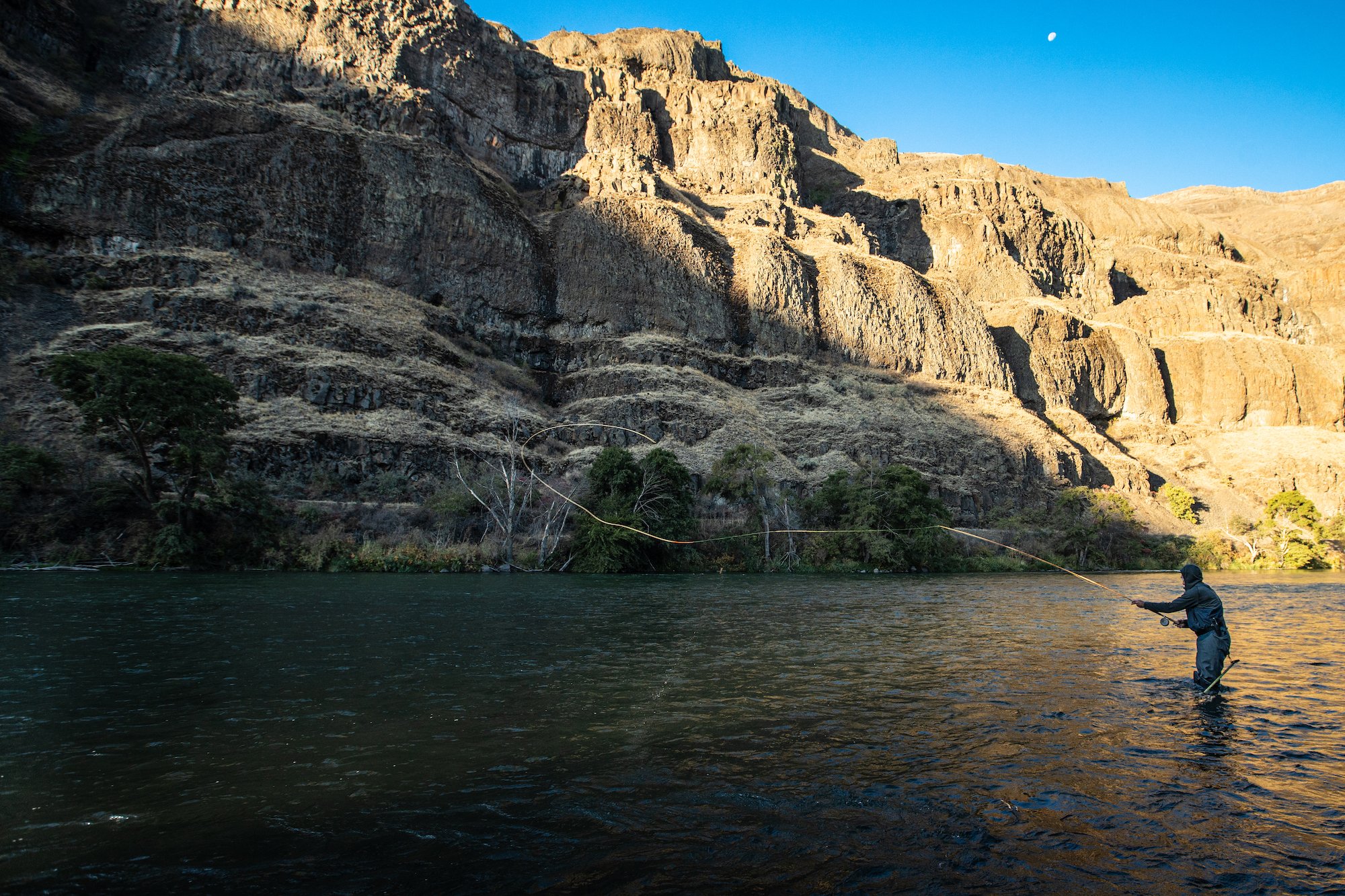
Protecting & Preserving the lower Deschutes River for Future Generations

The Deschutes River Alliance (DRA) advocates for the protection of the wild and scenic lower Deschutes River. We all have a right to enjoy this treasure. We also have a responsibility to leave it as good or better than we found it. Together, let’s safeguard this river.

The Deschutes River Alliance
is the Protector the River Needs
The lower Deschutes River is the beating heart of Maupin, OR. and many other rural communities. It sustains economies by providing recreational tourism. Fish, wildlife, aquatic insects, and humans rely on the cold, clean water of the Deschutes. The Deschutes River Alliance is committed to preserving the integrity of the lower Deschutes River by enforcing state water quality standards.


Water Monitoring Stations
Access Real-Time Water Quality Data
Access real-time water quality data. The Deschutes River Alliance maintains two monitoring stations in the lower Deschutes River - near Warm Springs and Maupin. The data is available to the public via our online portal, and is core to the advocacy the Deschutes River Alliance does for the river.
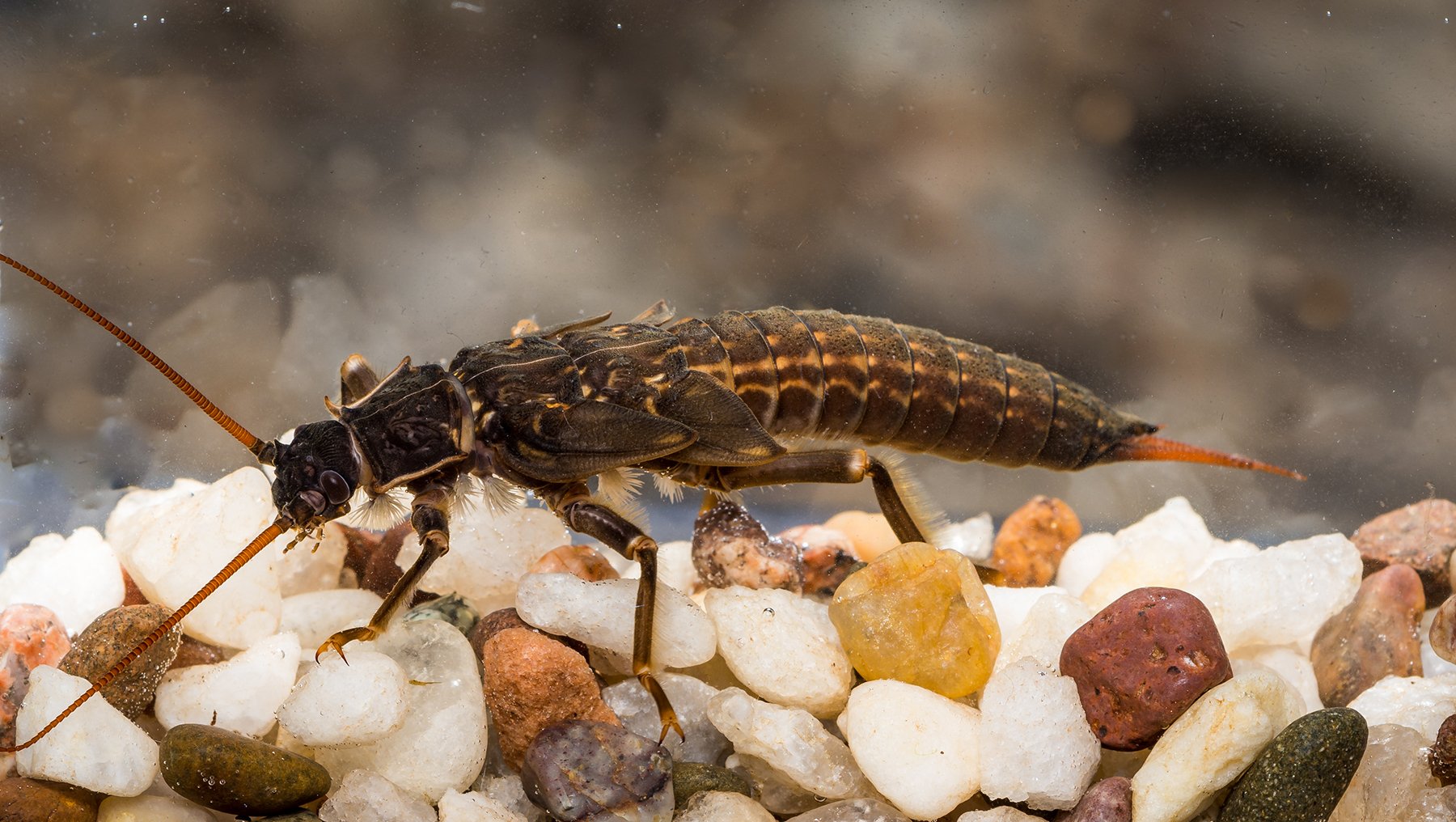


Insect Hatch Reporting
Collect Insect Hatch Data to Help the DRA
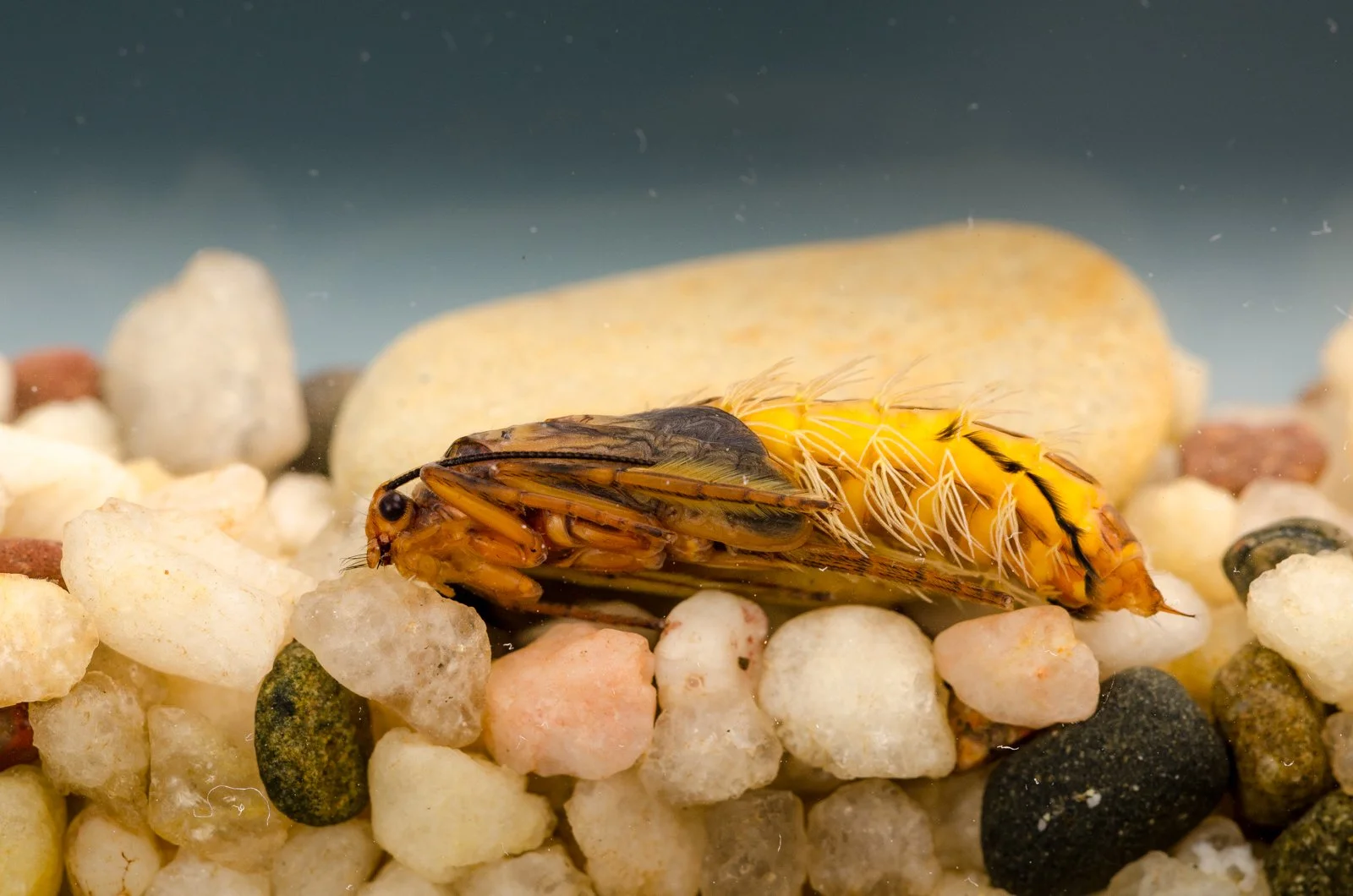
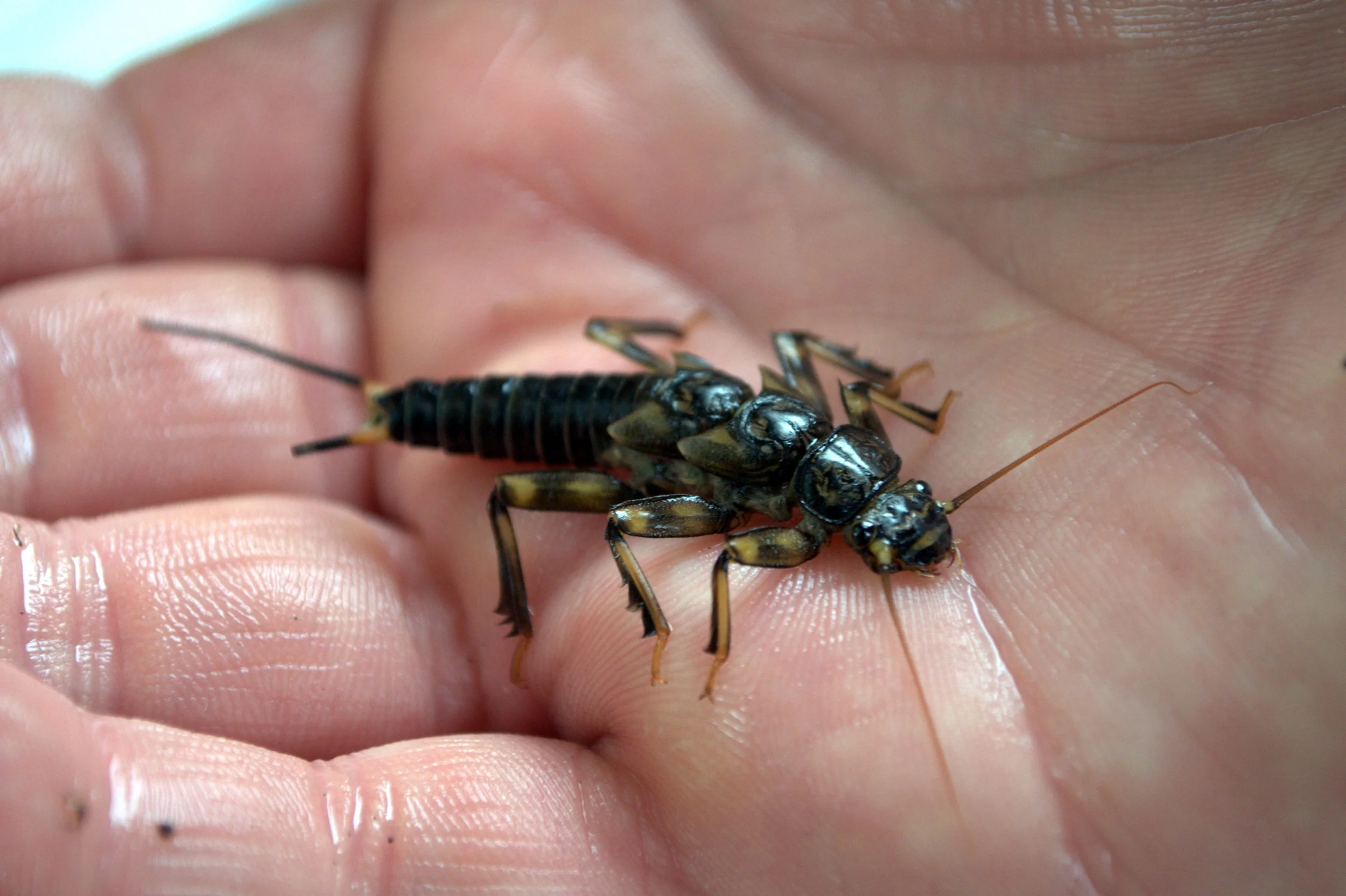
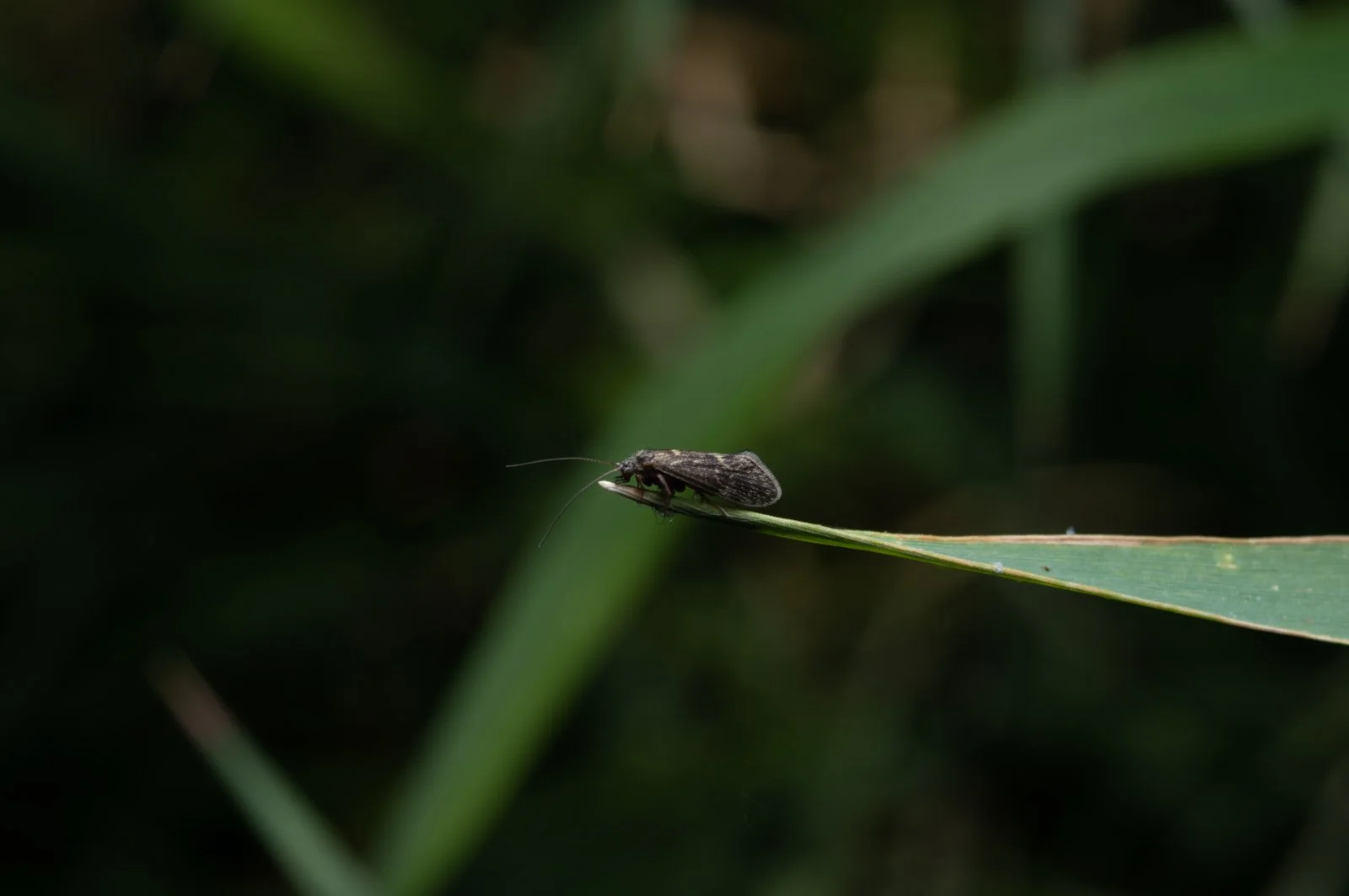
Calling all Deschutes River fly fishing enthusiasts! Help monitor the health of insect hatches with our Aquatic Insect Survey App. Track caddis, mayflies, stoneflies, and more. Join the buzz and help protect the Deschutes!

Our Story
In 2014, a group of seasoned advocates and experts who love the lower Deschutes River gathered to discuss negative changes they were seeing on the river. They shared their observations: the decline in insects and increase of nuisance algae, the increase in temperature and the change in the color of the water, and how it all coincided in early 2010 with changes in the way Portland General Electric manages water at its Deschutes dams. Together, they began to organize and execute a plan to return the Deschutes to its best possible condition. With that goal always in mind, we continue to use science as the core of our advocacy for a cooler, cleaner river.
DRA Blog
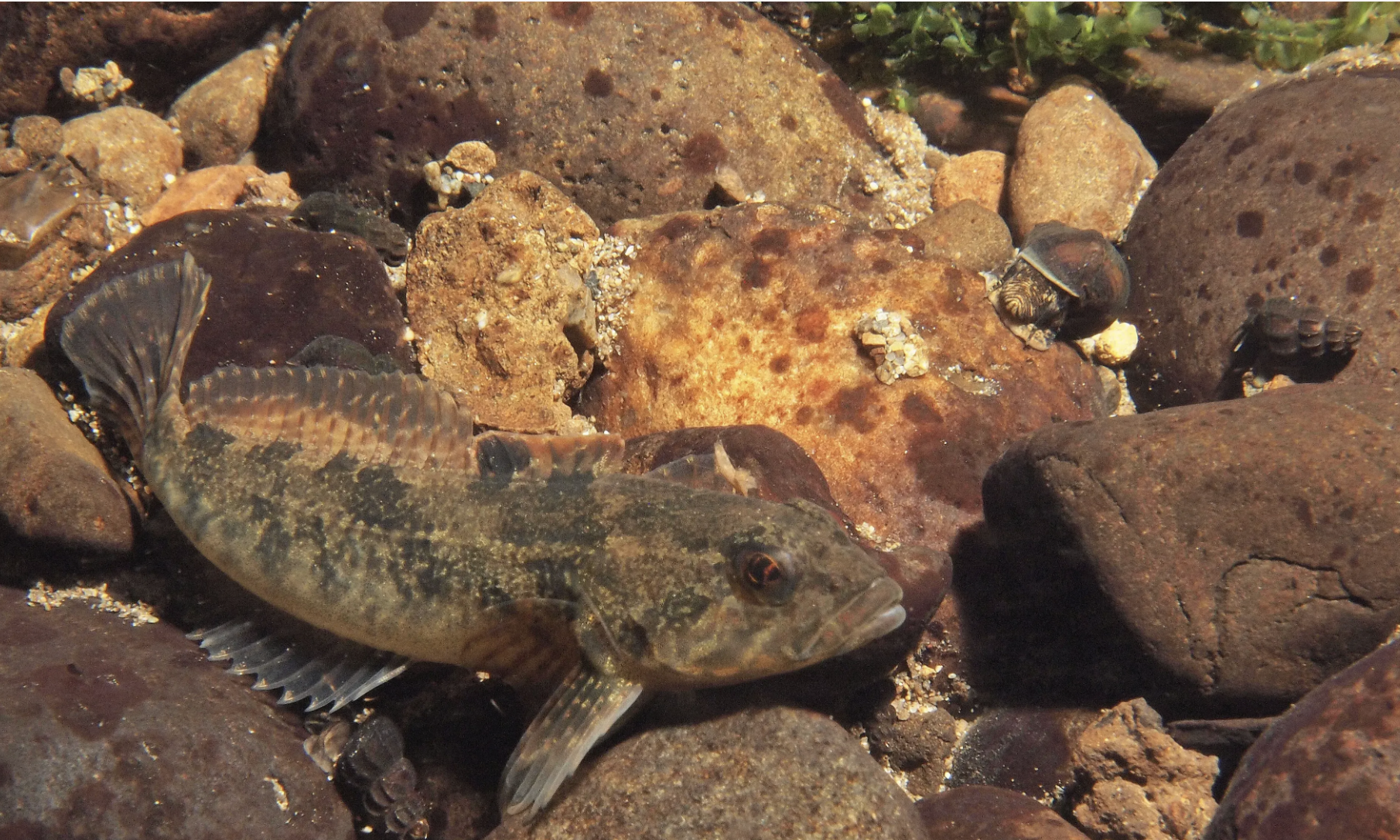
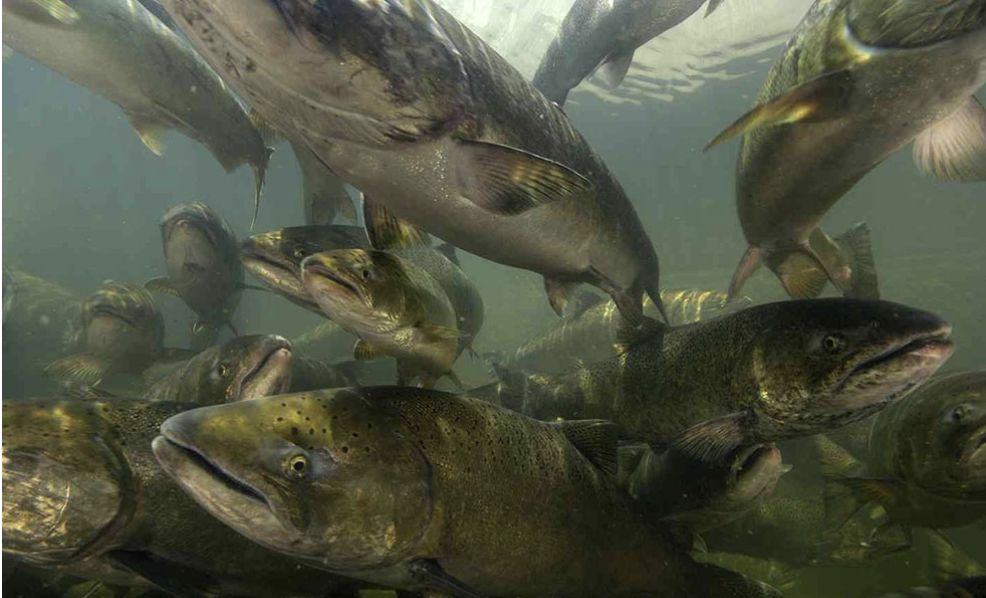
The Pelton Round Butte Hydroelectric Project’s discharge of warm, polluted water from the Crooked River at Lake Billy Chinook is degrading water quality and impacting this critical ecosystem. Redband trout, steelhead, salmon, and a diverse array of wildlife species rely on the Deschutes River's cold, clean waters for their survival. Read our blog to better understand what is happening on the lower Deschutes River and how the DRA is helping support a more robust ecosystem through scientific research and advocacy.
How You Can Help
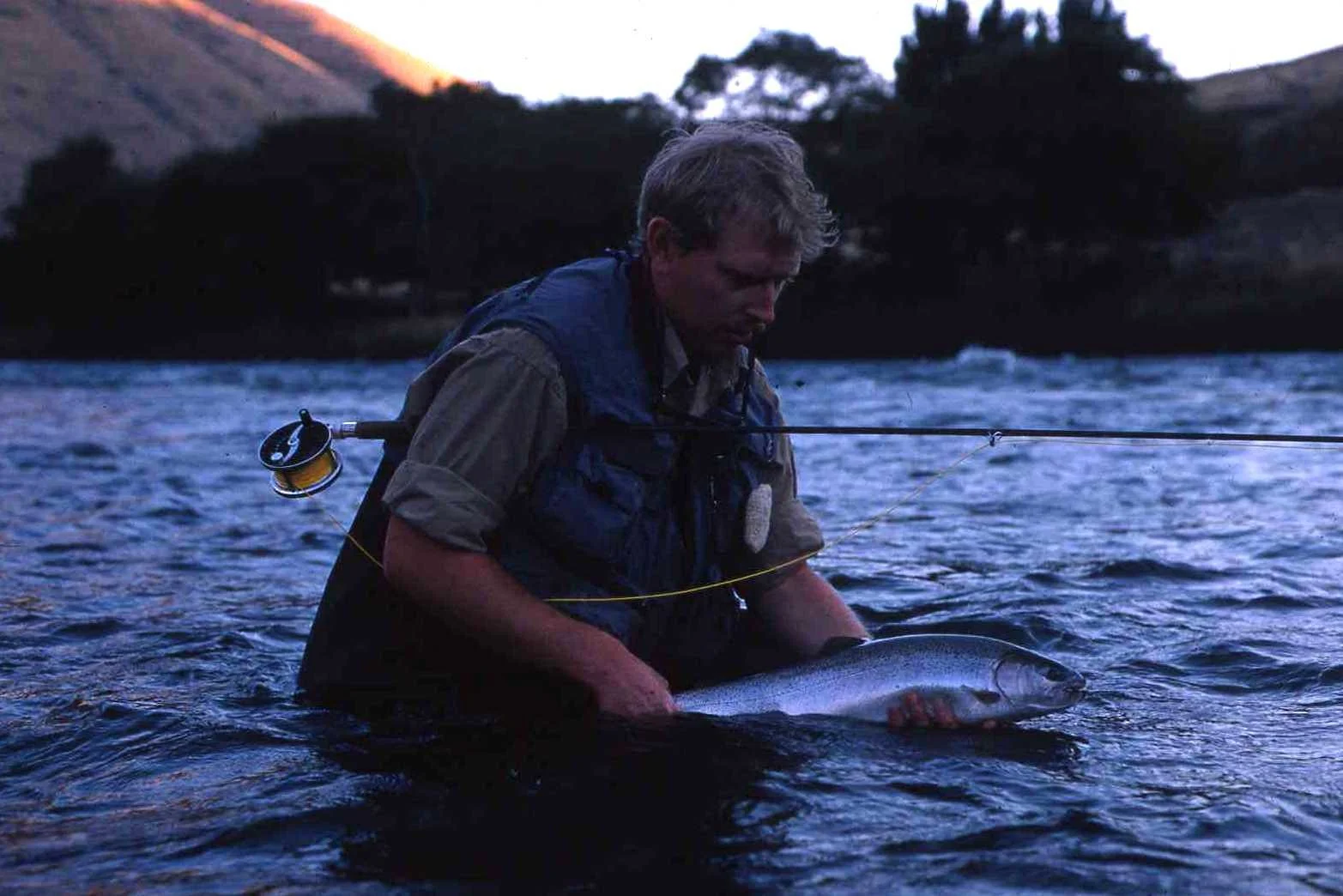
Anyone who spends time on the lower Deschutes River knows how magical it is. The Deschutes River Alliance is leading the charge to protect and preserve this treasure for current recreational users and for generations to come.



How to Support the DRA
Everyone wants clean, healthy water in the Deschutes River. Oregonians cherish our clean and healthy waterways to provide drinking water, wildlife habitat and recreational activities. The lower Deschutes River is a federally designated Wild & Scenic River, and a national treasure. It must be protected for the environmental and economic health of Central Oregon. We believe by working together we can return the lower Deschutes River to full health. The Deschutes River Alliance is a nonprofit, 501(c)(3).
Stay in the loop
Protect the
lower Deschutes.
The Deschutes River Alliance is your focused voice to protect the lower Deschutes River, its cold water flows and the fish and wildlife that are sustained by them. We send regular emails with important data and news about the lower Deschutes River. We will not sell or loan your contact information to others.
DRA Stories
A Science-Based Alliance Built on Memories of a More Pristine lower Deschutes River.
-
![]()
“To acknowledge the dramatic changes to water quality in the lower Deschutes River and then do nothing about it—that’s not the way I choose to experience this place. With a diverse team of experts and evidence-based approach, the DRA is the advocate that the river needs. I feel fortunate to be a supporter.”
-
![]()
“The Deschutes River Alliance stepped up to do something about the drastic changes in the ecology of the lower river by getting into the water and reporting what they found with pictures, detailed observations, and most of all, data. We need to follow the data in order to develop solutions to heal its waters.”
-
![]()
“You don’t have to be a fisheries biologist to notice that critically warm water temperatures and other water quality changes are causing less prolific insect hatches, unwelcome algae growth, and fish disease in the lower Deschutes River. I support the DRA's science-based approach to water quality advocacy."



DRA Events
Our Focus is on Community, and it Starts With You!
Attend one of our live events to experience a community of like-minded individuals who care about the health of the lower Deschutes River. We’re spreading our message throughout Oregon, with live events in Portland, Maupin, Bend, the Columbia River Gorge and beyond. We invite you to join us!

Contact Us!
Email, call or stop by the office. We’d love to chat.
Executive Director
Sarah Cloud
sarah@deschutesriveralliance.org
Our Office
5520 S Macadam Ave
Suite 100
Portland, OR 97239