
DRA Blog
Four Questions on the Steelhead Closure
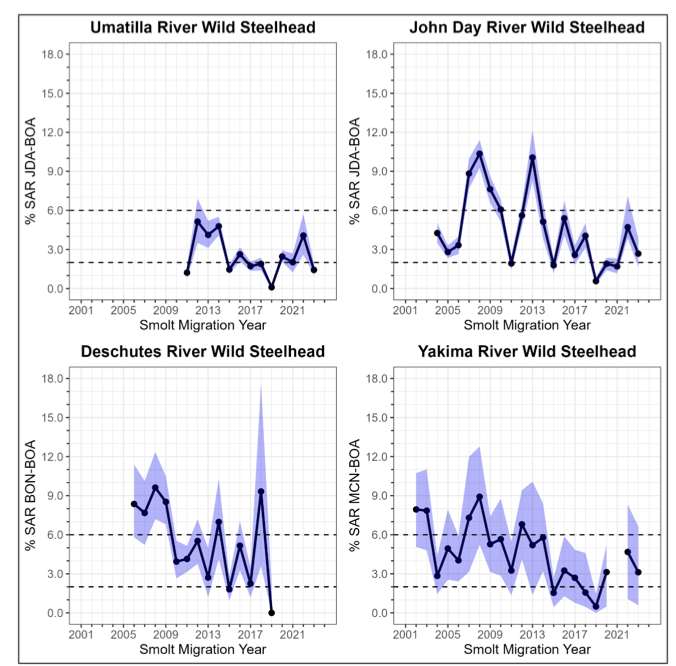
The Deschutes River needs more wild steelhead. Poor water quality may be one of the biggest obstacles to acheiving that goal.
DRA Supports Keeping the Roadless Rule
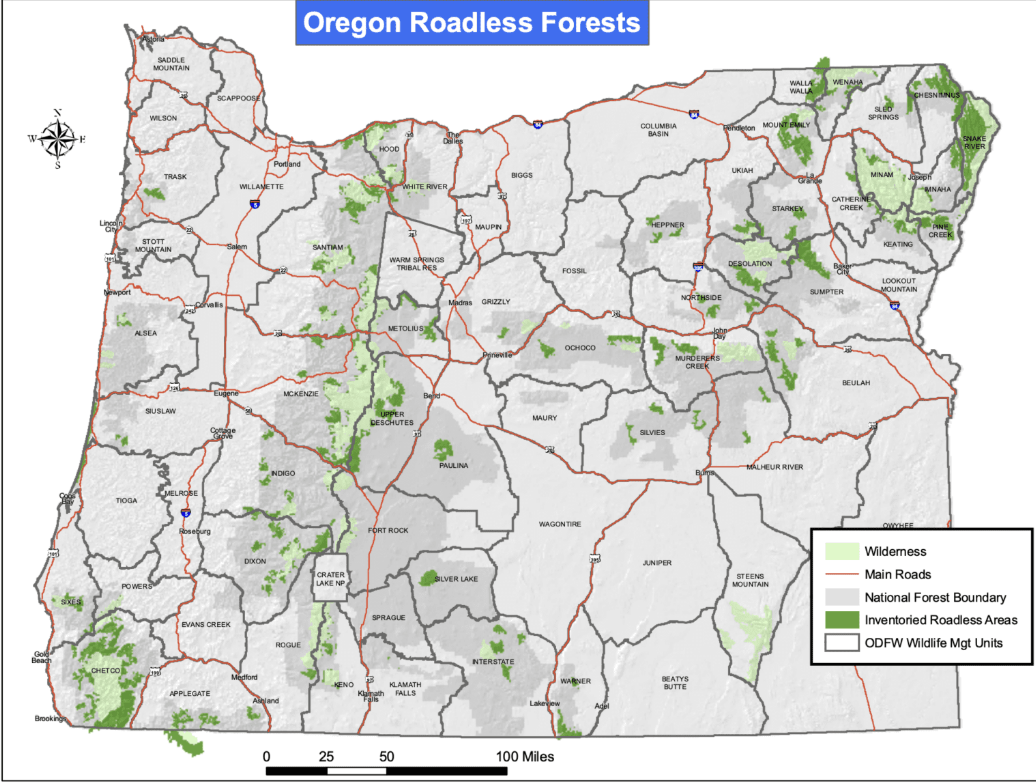
Specifically for the Deschutes River, the 137,000 acres of inventoried roadless lands protected under the Roadless Area Conservation Rule help protect the headwaters of one of the state’s most beloved rivers, as well as in its most pristine tributary, the Metolius River.
Bug-of-the Month: Saddle Case Caddis
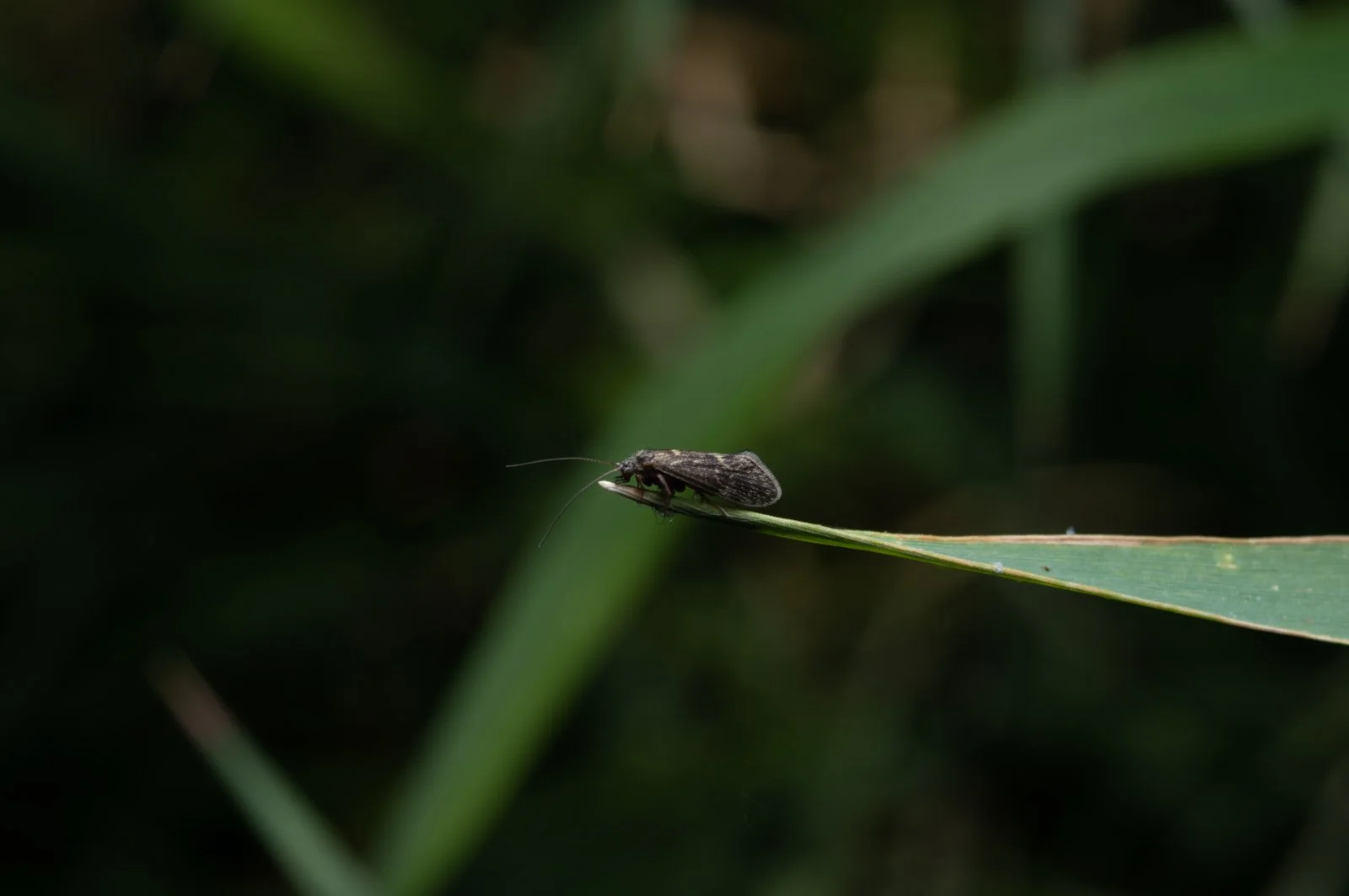
“Also, while adults quickly escape from the pupal exoskeleton, they will often run rapidly across the surface trying to reach shoreline rocks or vegetation. And yes, trout don’t ignore such suicidal behavior.”
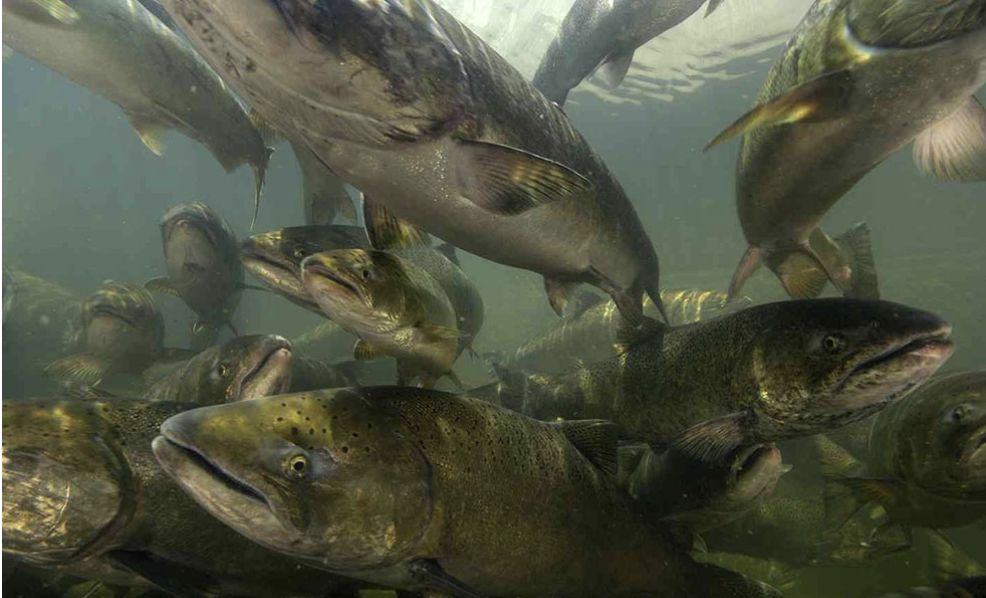
Fish of the Month: Fall Chinook
“As important as fall Chinook are to sport anglers, they are very important to members of the Confederated Tribes of the Warm Springs Reservation. Harvested at the Sherars Falls area for millennia by members of the tribes that make up the Warm Springs Reservation, fall Chinook are important for ceremonial and subsistence purposes, and are the preferred salmon species for the traditional preservation method of drying. Tribal fishers can be seen to this day harvesting fall Chinook from platforms or scaffolds by traditional dipnet fishing. Hundreds of tribal fishers spend thousands of hours annually at this site to harvest around 2,000 adult fall Chinook.”
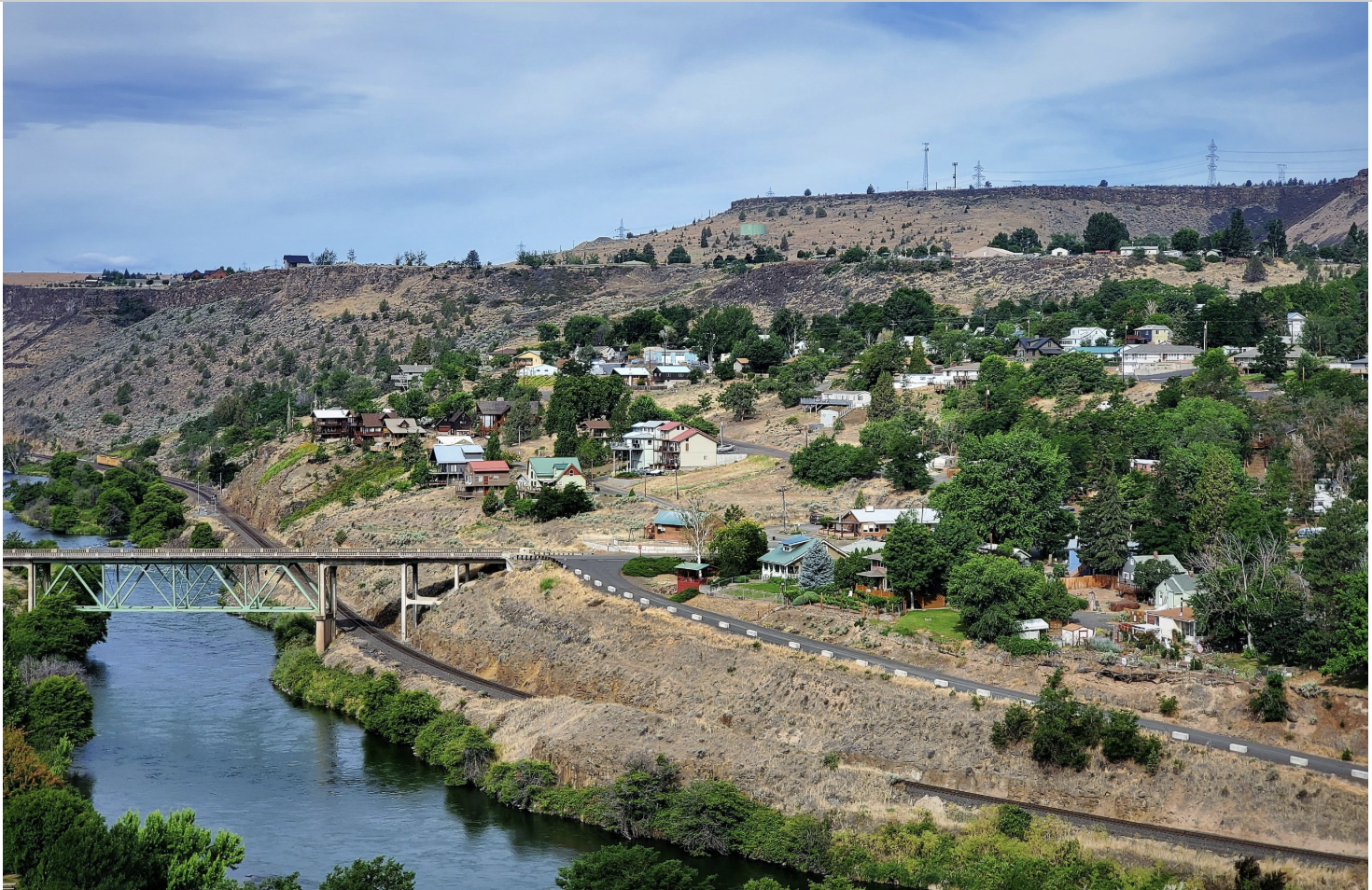
Imperiled Steelhead Season Prompts Efforts Toward a Better Path Forward
The pain partly stems from the frustration of a more widely shared knowledge of what needs to be done, and seeing it remain undone, season after season, and witnessing ongoing deterioration rather than recovery. It turns out that river management policy, which on the surface seems simply a matter of implementing the best available science, is oftentimes more vexing than understanding the science.
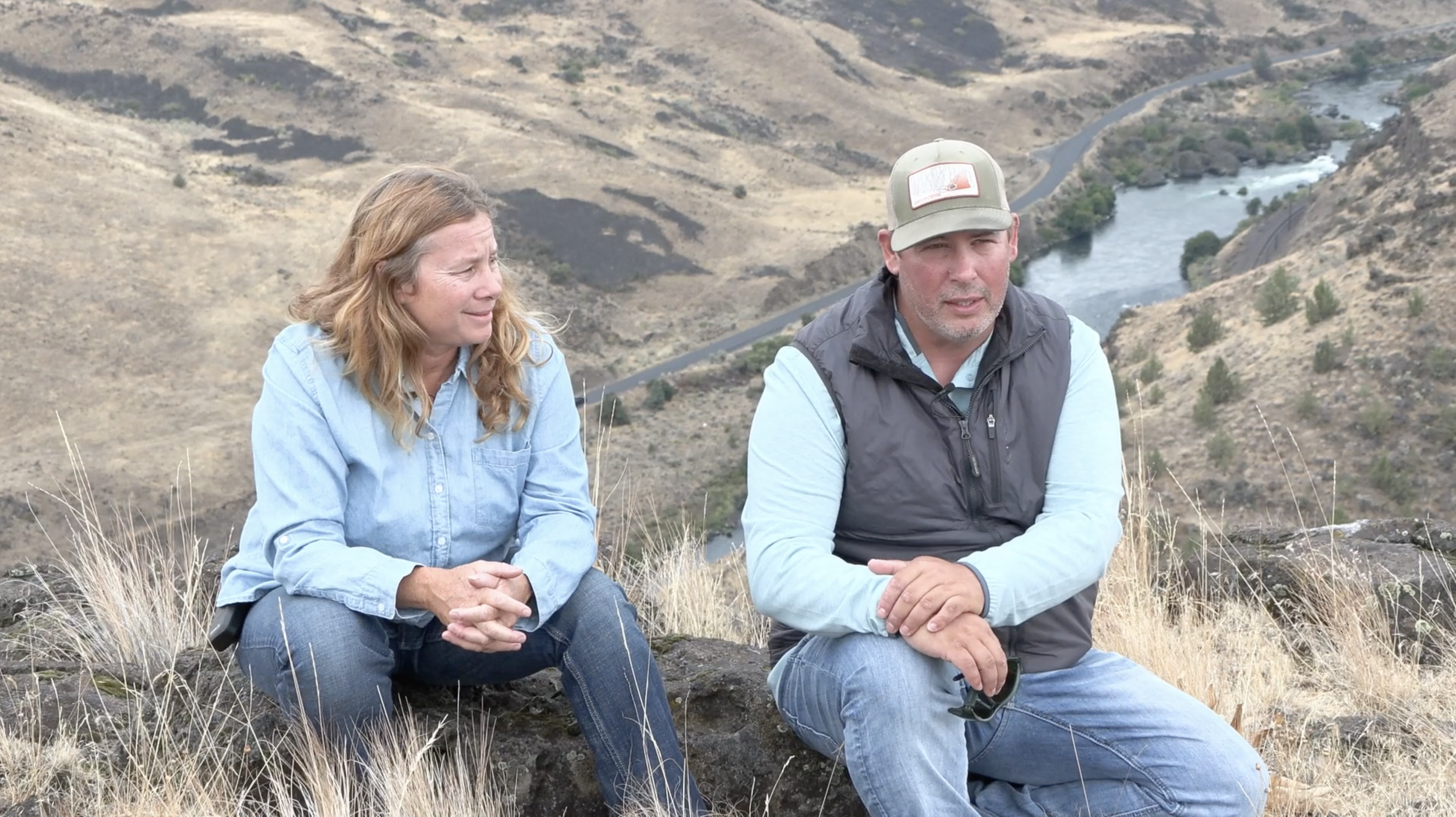
The Pain of a Slim Steelhead Season
“The Deschutes steelhead closure and the potential closure of the John Day will jeopardize small businesses like ours and our rural communities.”
-Mia Sheppard, co-owner Little Creek Outfitters
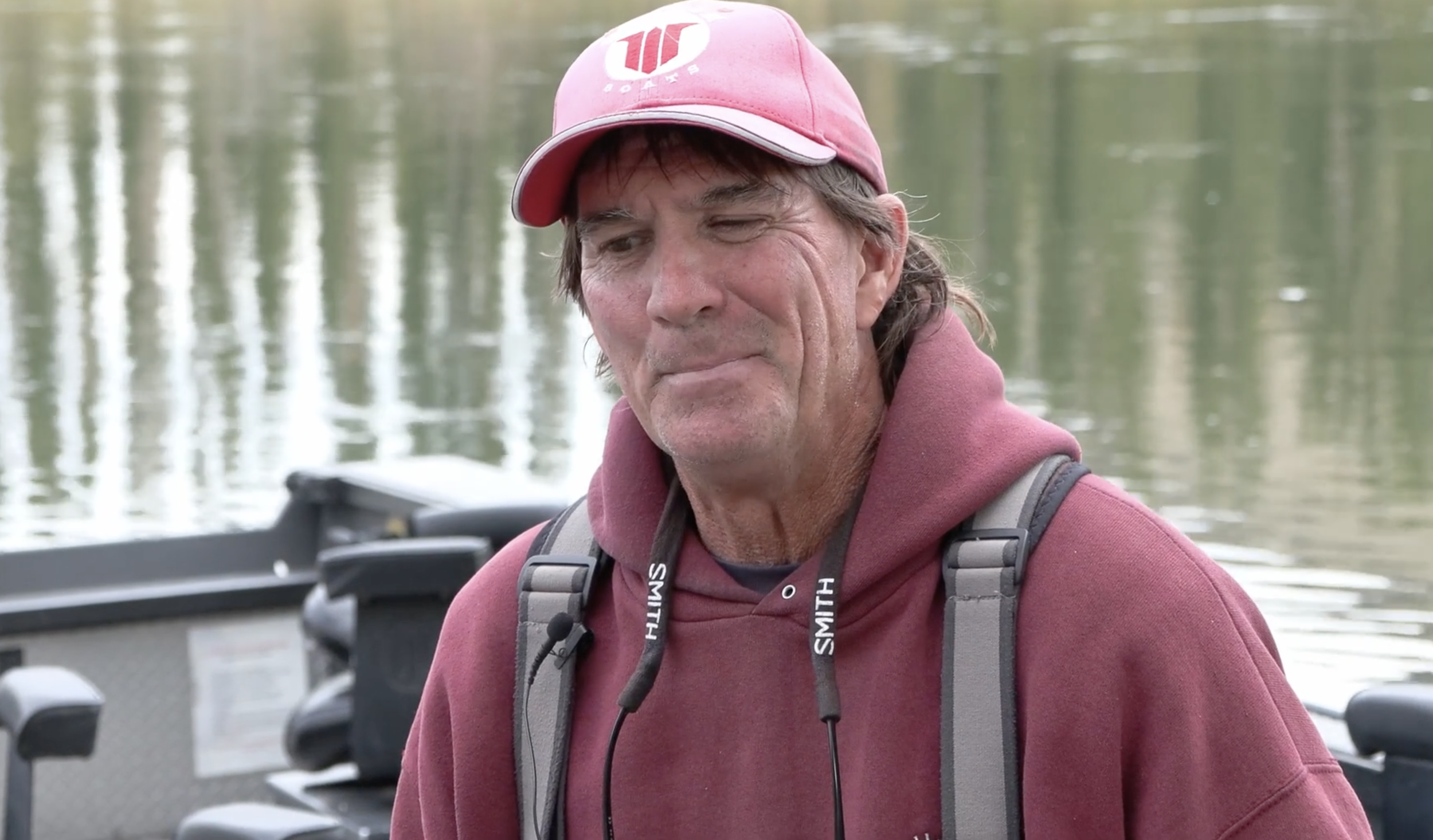
The Cost of a Fishing Closure
“We need unclipped/wild steelhead. I don’t want my name on the last steelhead that swims up the Deschutes River. If I truly believed I was causing harm to this fishery, I would stop guiding. I don’t believe that myself and the others are doing damage.”
-Brad Staples,
DRA Science Team Launches Algae Study
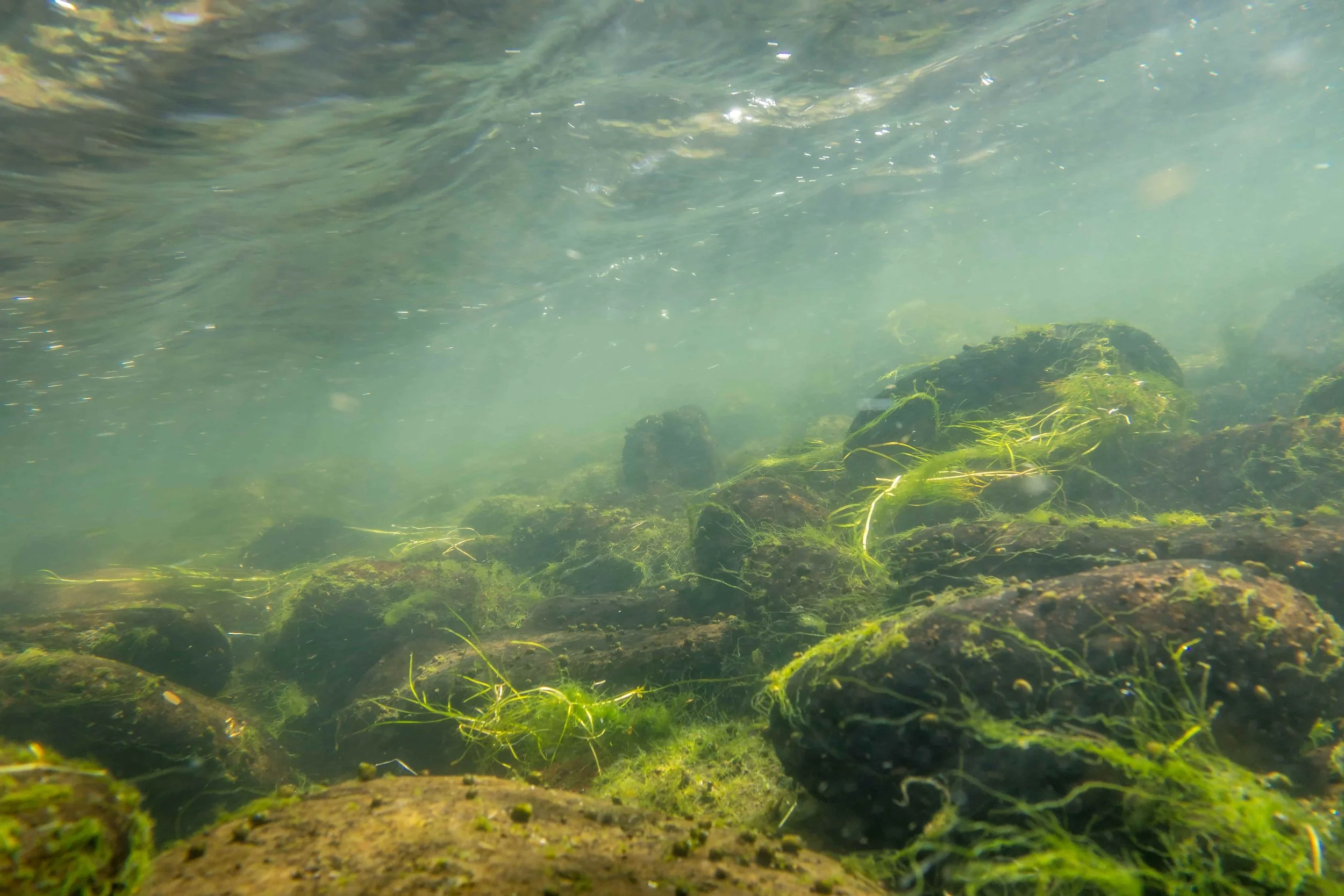
We're excited to add algae sampling to our monitoring program and look forward to sharing what we learn. Stay tuned as we begin this new chapter in understanding - and protecting - the lower Deschutes River.
Bug of the Month: Net-Spinning Caddis
net-spinning caddis larvae actually produce sounds underwater…The sounds are loud enough to be detected by underwater microphones and are thought to help establish territories, discouraging nearby larvae from encroaching on an occupied feeding site. Different species produce slightly different chirps because the shape and spacing of their ridges vary, almost like each species has its own unique underwater language.”
Where is the Cold Water in the Lower Deschutes Cold Water Refuge?
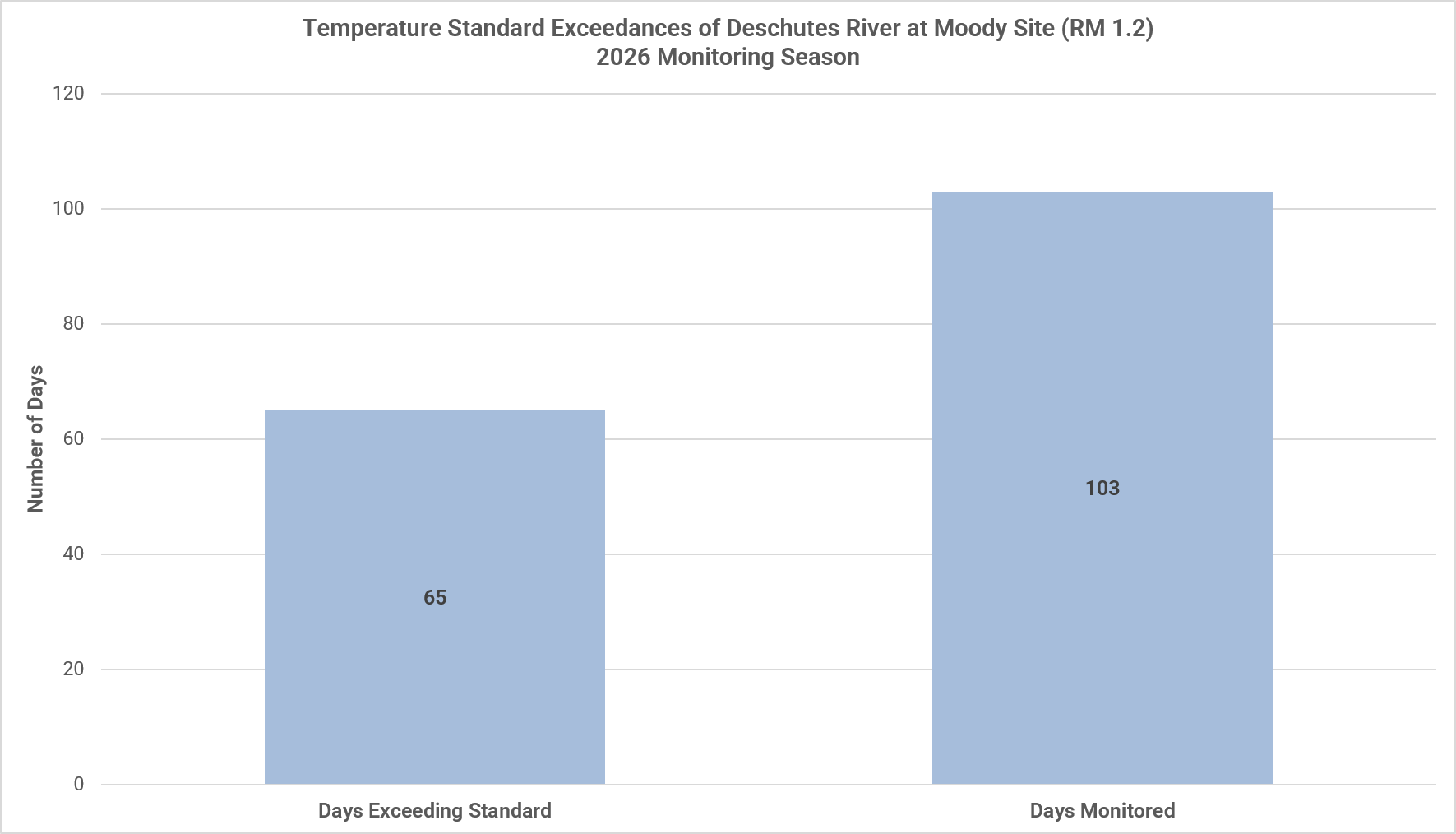
The lower Deschutes River needs to flow with the maximum amount of available cold, clean water, not only for the sake of Deschutes river trout, salmon and steelhead, but for the protection of salmonids throughout the Columbia Basin.
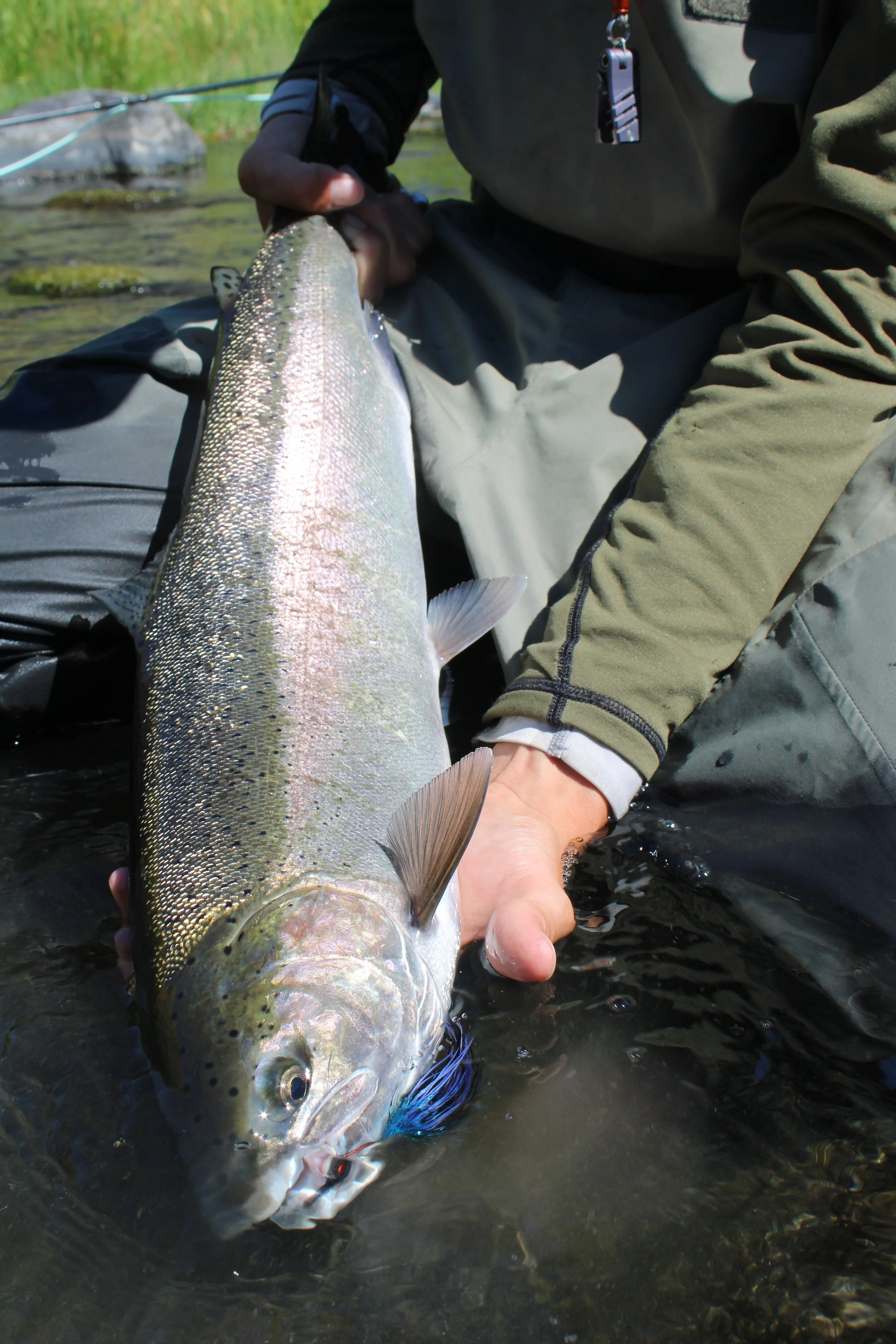
DRA Fish of the Month
Deschutes summer steelhead have long endeared themselves to anglers for their willingness to take a fly presented at or near the surface, and they are generally willing to bite a variety of lures.
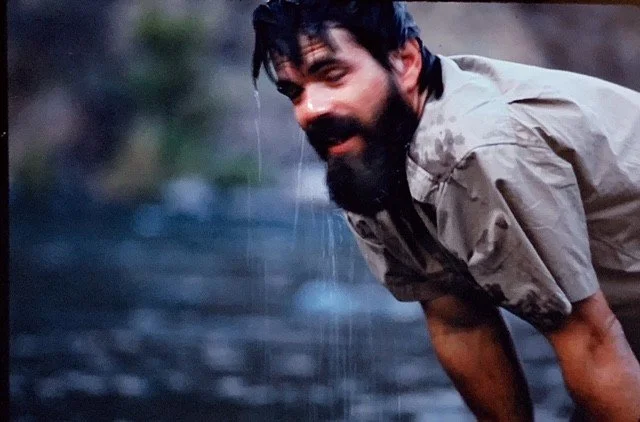
Keep Cool: Best Practices to Keep Fish Healthy in a Hot Summer
The DRA provides real-time water quality updates, including temperature, at all three of our monitoring stations, as well as weekly water quality updates that go out with our Thursday morning email blast. Keep an eye on water temperatures, and plan your angling experience accordingly.
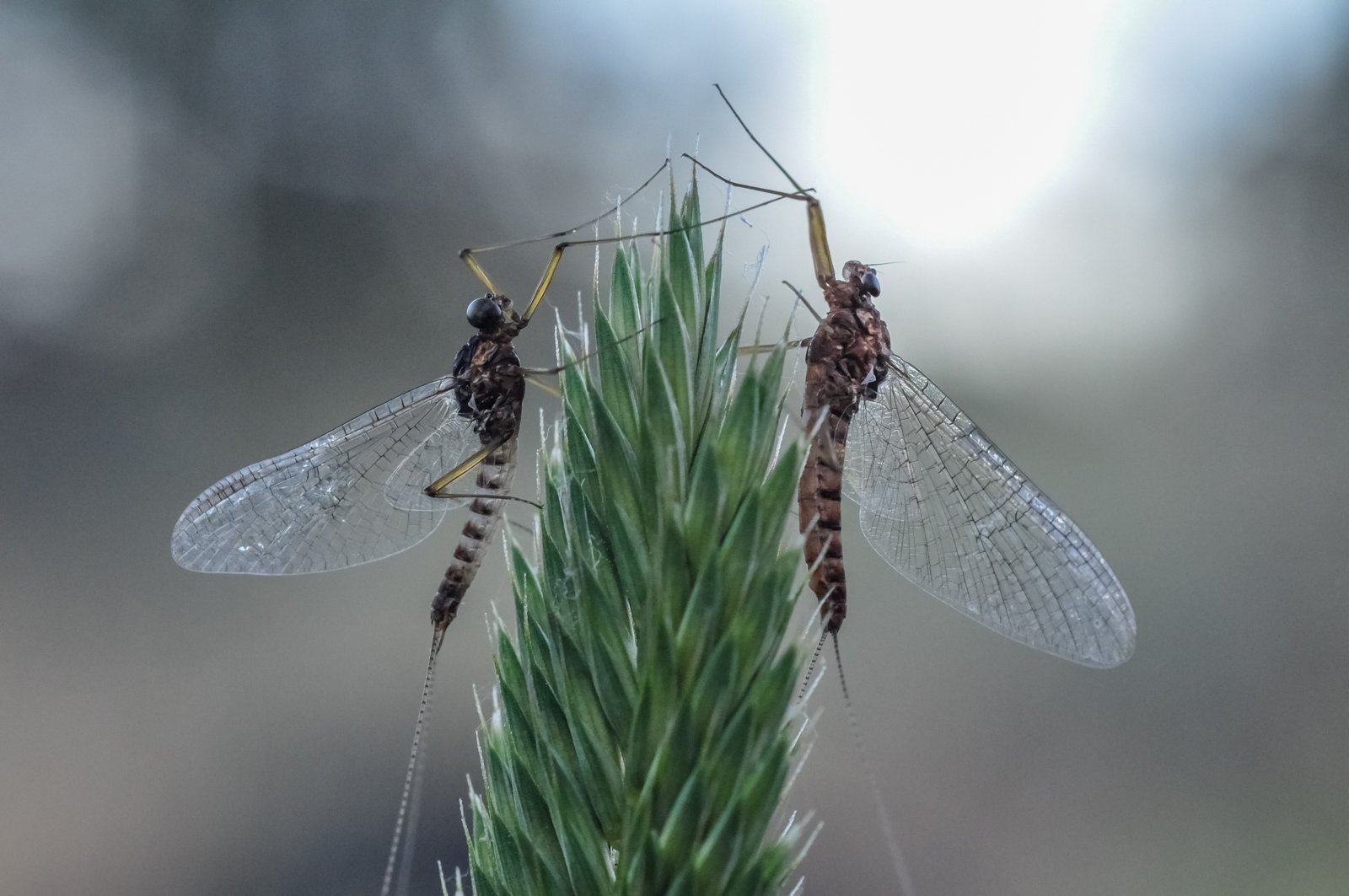
Bug of the Month: Pale Evening Dun
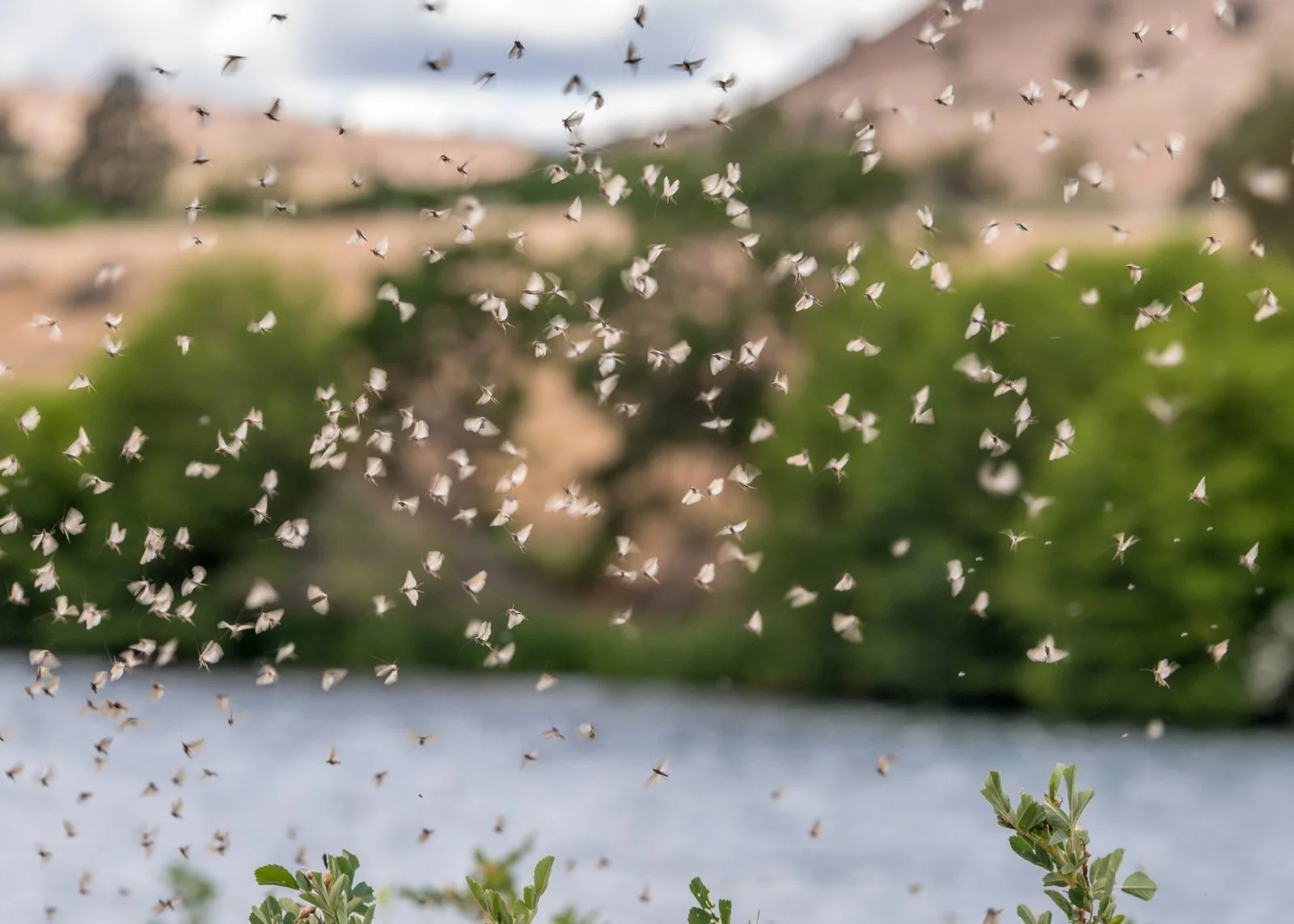
For anglers, Pale Evening Duns represent an exciting hatch and a chance to watch trout feed on the surface. For scientists, they tell a much bigger story. Changes in the abundance and diversity of these sensitive insects can serve as an early warning sign that environmental conditions are shifting and that the health of the lower Deschutes River may be under increasing stress.

Steelhead Masters Inspires Crowd
“Learn that fishing is a way to connect you to nature. Pay attention to what you see. The birds, the trees, the fish, everything you see, are trying to tell you something about themselves. They’re also trying to tell you something about you, about yourself. Fish in a way that respects the river, but works for you. Don’t listen to anybody else. It should never be a competition, but a way of seeing the world that makes you appreciate it more.”
-Bill McMillan, speaking at the DRA’s Steelhead Masters event
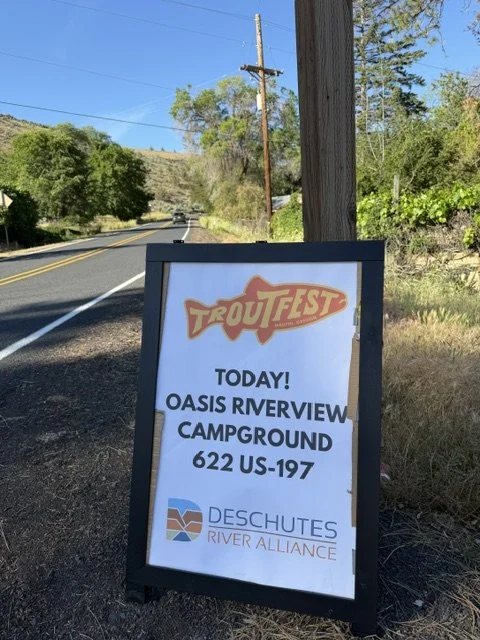
TroutFest Success: Many Thanks to All Who Made it Happen
Many thanks to all who attended TroutFest, especially all our volunteers who made the weekend run so smoothly. We saw you enjoying each others company, and building community around the cause of a lower Deschutes River flowing with clean cool water.

Bug(s) of the Month: Salmonfly, Golden Stone
The mating behavior of these stoneflies is particularly fascinating. Males communicate through a behavior known as “drumming,” where they rhythmically tap their abdomen against rocks or wood to create vibrations. Nearby females respond with their own signal, allowing the insects to locate one another. Each stonefly species has its own unique tapping pattern, essentially creating its own little percussion-based love language.
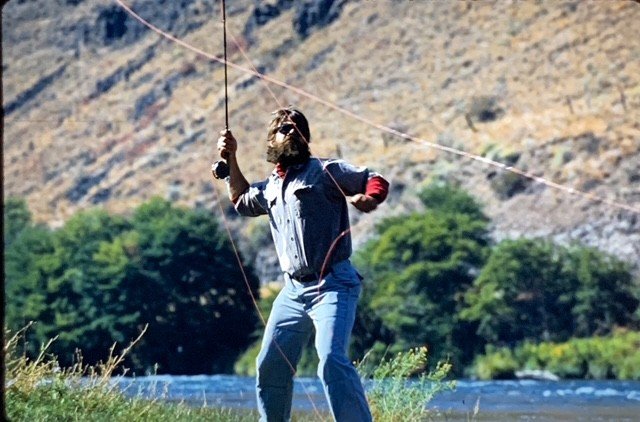
Steelhead Masters: The Early Days
I wrote, “oh, we only hooked four this morning and lost three more tonight. Soon the fish will come in. So it will get better.” Having six or eight hookups in the course of a day was just standard, not terrific.
-John Hazel, recollecting early days steelhead fishing on the lower Deschutes.
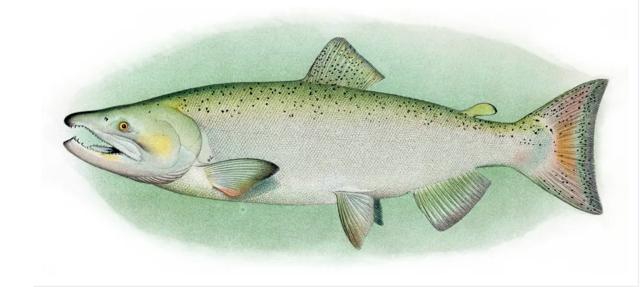
Know Your Deschutes Fish: Spring Chinook
The Deschutes River Alliance (DRA) believes that the available data support the contention that operation of the Selective Water Withdrawal Tower (SWW) in Lake Billly Chinook has had an ongoing negative effect on Deschutes wild spring Chinook.
Subscribe to our Newsletter
The Deschutes River Alliance is your focused voice to protect the lower Deschutes River, its cold water flows and the fish and wildlife that are sustained by them. We send regular emails with important data and news about the lower Deschutes River. We will not sell or loan your contact information to others.
How to Support the DRA
Everyone wants clean, healthy water in the Deschutes River. Oregonians cherish our clean and healthy waterways to provide drinking water, wildlife habitat and recreational activities. The lower Deschutes River is a federally designated Wild & Scenic River, and a national treasure. It must be protected for the environmental and economic health of Central Oregon. We believe by working together we can return the lower Deschutes River to full health. The Deschutes River Alliance is a nonprofit, 501(c)(3).

