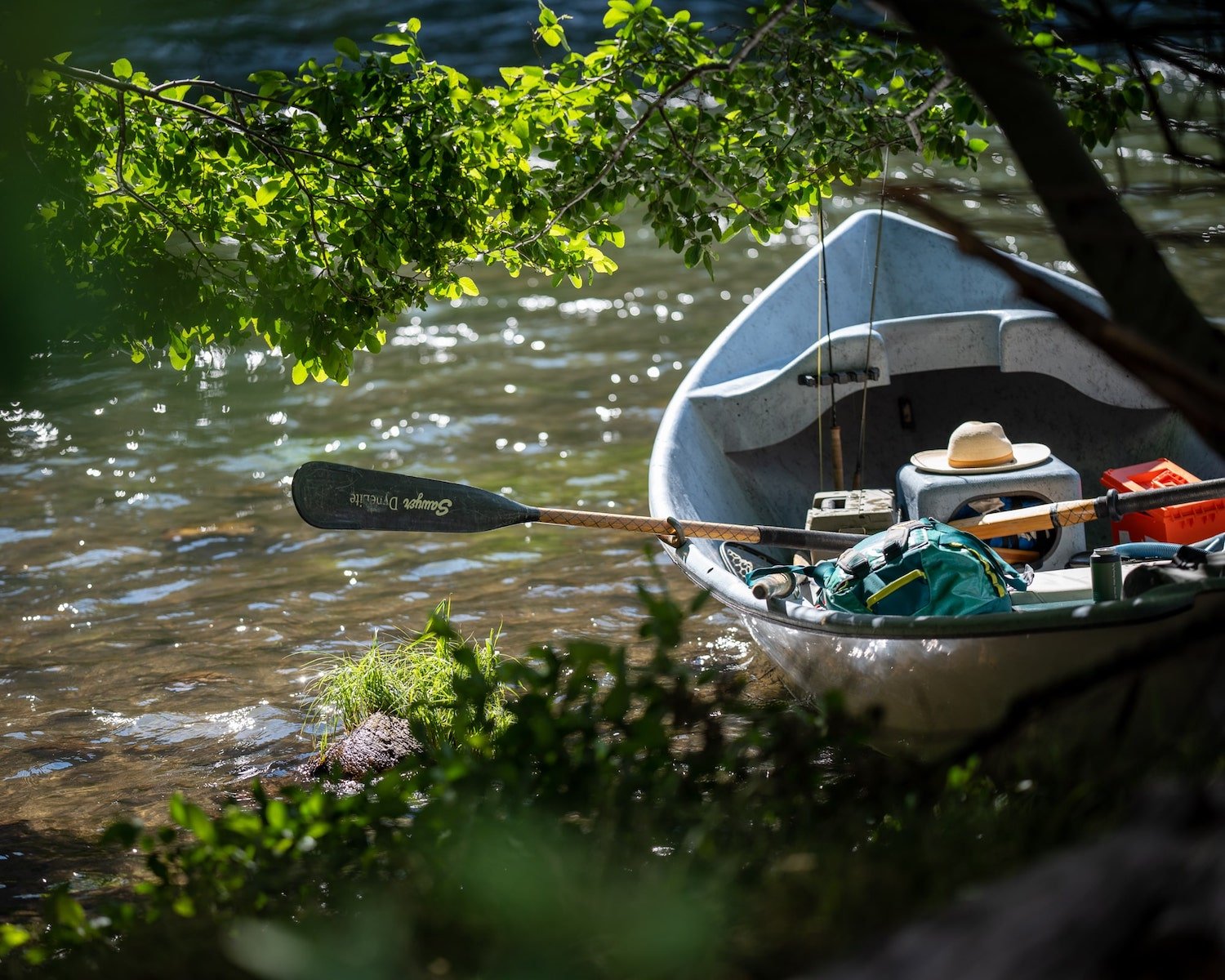

Consider investing in a future of evenings like this one with a gift to the DRA. Photo courtesy of James Kreipe.
The Value of Experiencing the Deschutes
What’s the return on investment when you give to the DRA? Like any investment, there’s an element of risk–though in this instance, the risk isn’t financial. “Passive value” is a term from economics that describes the intangible benefit you get from something without directly using or consuming it. Van Gogh is no longer making paintings, but the number of people who appreciate his work is always on the rise. Wrigley Field is not just a baseball stadium to those who love the game. Yellowstone National Park is worth more than the sum of its ecological parts.
The value is in the existence of the thing, and in the possibility of experiencing it now or at some point in the future. The risk is that the thing you value might be damaged, destroyed or disappear before the next chance to experience, appreciate, and be inspired by it.
At the thirty-thousand foot level, this is what giving to the DRA is about. It is an investment in the future of a river you love, of the sort that will pay dividends that don’t show up on a profit and loss statement. Beauty, adventure, good fishing and fun on a Deschutes River teeming with wildlife are soul-stirring experiences, ones we want to provide for future generations, perhaps as much as we hope to lay the foundation for their economic security.
DRA Deliverables
So what are the tangible things–the “deliverables” that DRA can provide? Foremost is the unyielding dedication of our staff, board and volunteers to the campaign to return colder, cleaner water to the lower Deschutes River. To make this happen, the DRA maintains a sharp focus in three areas: advocacy, science, and community engagement. Our track record provides some assurance that giving to the DRA is a sound investment.
Advocacy:
At Troutfest in 2024, the DRA commenced a letter-writing campaign to Oregon Governor Tina Kotek. More than a thousand letters were written, asking the Governor to address declining water quality issues on the river. The Governor responded. A subsequent letter from her office has directed the Oregon Department of Environmental Quality to “examine all possible options” to arrive at a fix for the lower Deschutes River. We’re still waiting for that fix. But we’re not sitting on our hands.
The plight of the Deschutes caught the eye of Pulitzer prize-winning Willamette Week investigative reporter Nigel Jaquiss, who has written three articles in the past year, scrutinizing PGE’s and DEQ’s role in the downturn in the overall health of the river.
Our lobbyist in Salem, Greg Peden, brought Deschutes water quality issues to the attention of Oregon legislators, a few of whom indicated a willingness to champion the cause of finding a fix.
And we continue to work with a coalition of conservation groups to strategize and coordinate as DEQ plans a series of town-hall meetings in 2026 to address issues in the Deschutes Basin.
Science:
The DRA maintains sophisticated water quality monitoring devices at three locations in the lower Deschutes River. On our website, from mid-April to mid-November, you can access real-time data from each location.
The data also feeds our science team’s annual reports on water quality and macroinvertebrate health.
Our annual State of the Deschutes presentation provides a comprehensive overview of the status of fish, aquatic insects, and water quality.
The data gathered and reported by the DRA has a stellar reputation, so much so that DEQ has used it in their own reports to the Environmental Protection Agency.
Community Engagement:
The feature length documentary, The Last 100 Miles: the Fight for the Lower Deschutes River, has now been viewed nearly 20,000 times in theaters and online.
Troutfest 2025 brought several hundred people to Maupin from all over the United States and Canada.
The DRA’s Trout Whisperers speaker’s series continue to pack venues with appreciative audiences eager to absorb expert advice and opinion (and entertaining stories) from some of the Deschutes River’s most reputable and experienced guides.
The DRA keeps in touch with its thousands of supporters each week through our emails and blog posts. We do this to keep you informed and inspired–and also to maintain the ability to mobilize support when the need arises. We’ll likely need to do this again in the future. We are confident you’ll rise to the occasion.
As the fine print from any financial firm states it, investment involves the risk of loss. A gift to the DRA is a different sort of investment, protecting against a different kind of loss. We always have, and always will work as hard as we can to reduce, and if possible, eliminate the risk of a future without one of the country’s finest rivers thriving at the highest possible level.
You love this river, because even through the current phase of mismanagement, it never quits providing the experience that keeps you coming back. With your help, the DRA won’t quit in the campaign to make the lower Deschutes River the best experience it can possibly be.
If you’re able, give to the DRA today.
More From The Blog
Subscribe the the DRA Newsletter
The Deschutes River Alliance is your focused voice to protect the lower Deschutes River, its cold water flows and the fish and wildlife that are sustained by them. We send regular emails with important data and news about the lower Deschutes River. We will not sell your contact information to others.
How to Support the DRA
Everyone wants clean, healthy water in the Deschutes River. Oregonians cherish our clean and healthy waterways to provide drinking water, wildlife habitat and recreational activities. The lower Deschutes River is a federally designated Wild & Scenic River, and a national treasure. It must be protected for the environmental and economic health of Central Oregon. By working together we can return the lower Deschutes River to full health.