New Threats to the Clean Water Act
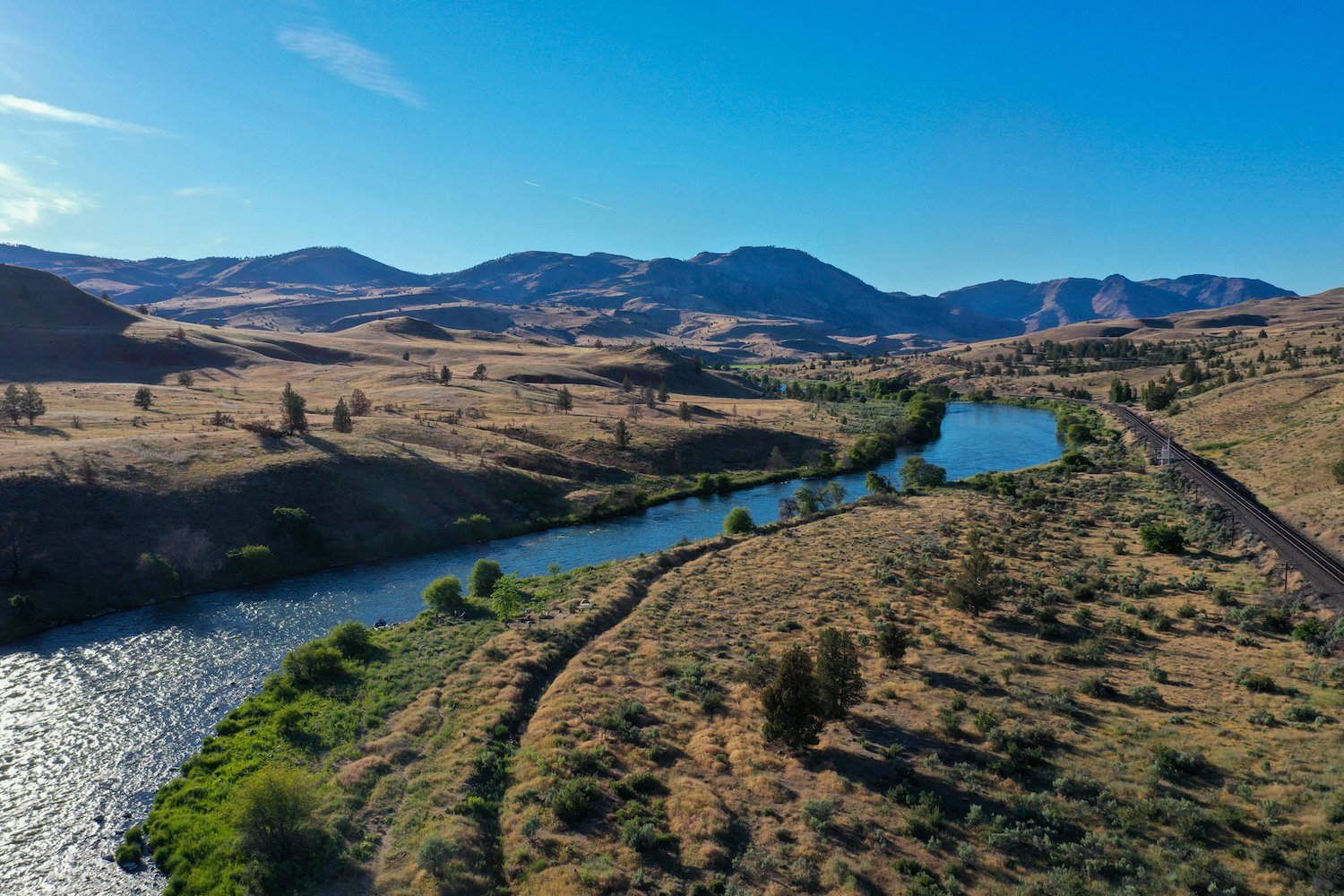
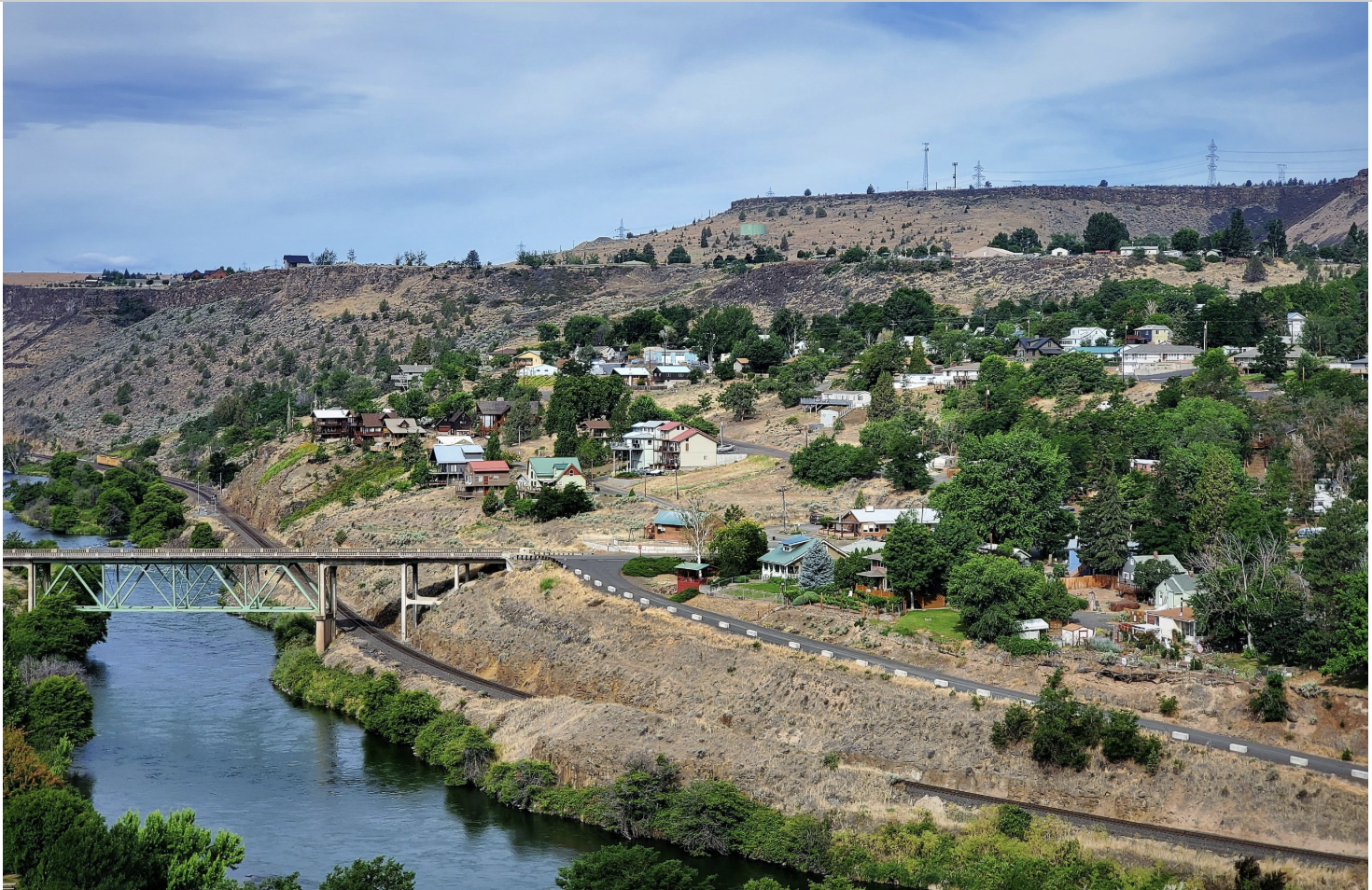
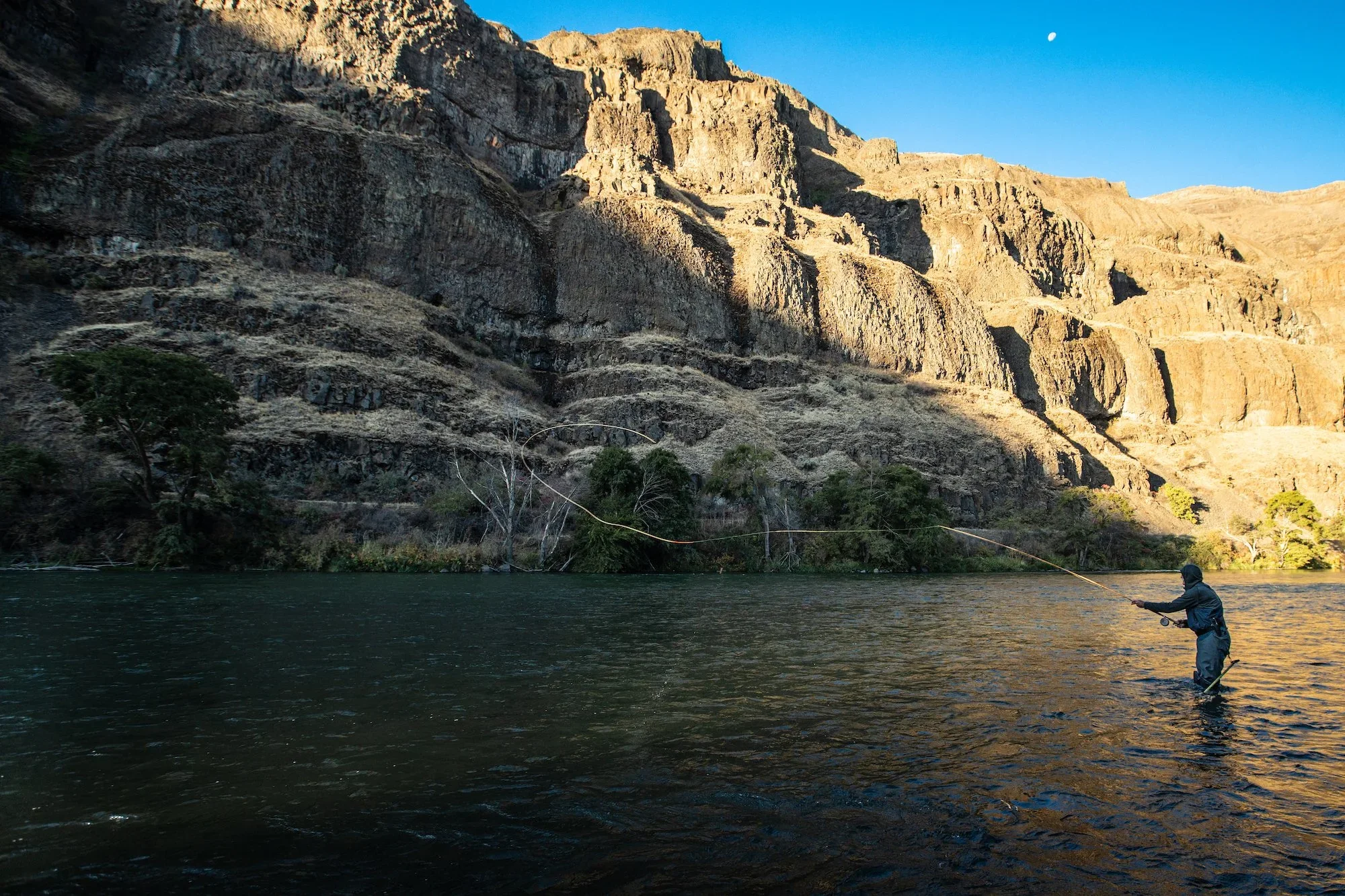
Scenes of Deschutes River splendor, with the river as clear and blue as the sky, may be more challenging to find in the future if changes to the Clean Water Act pass Congress.
Changes Would Make Cooler, Cleaner Water a More Difficult Propositon
For the past 54 years, The Clean Water Act (CWA) has been the law states, tribes and municipalities have relied on, with notable victories, in maintaining and restoring clean water for drinking water, fish, wildlife and recreation. States are required by the law to set and enforce water quality standards. The federal government, through the Environmental Protection Agency and the U.S. Army Corps of Engineers, provides funding and regulatory oversight.
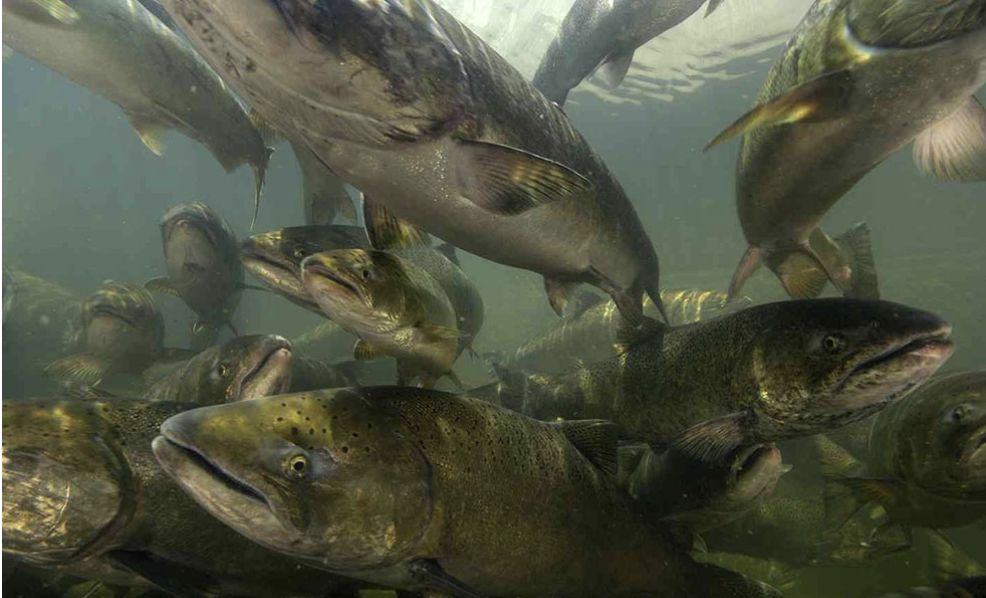
One of the best of the CWA’s success stories is local. Oregon’s Willamette River has benefitted significantly from the CWA. Prior to passage of the law in 1972, juvenile salmon released into the lower Willamette were generally dead within 15 minutes. Spearheaded by then-Oregon Republican Governor Tom McCall, a decades-long clean-up effort led to a 94% reduction in sewage overflows, making the river safer for salmon and a host of other creatures, humans included.
On the Deschutes River, it is the state’s water quality standards, mandated by the CWA, that provide the basis for the DRA’s demands to return cooler, cleaner water to the lower river.
Currently, Congress is considering legislation that would drastically weaken the CWA, with implications for the campaign to return the lower Deschutes to good health. The PERMIT (Promoting Efficient Review for Modern Infractructure Today) Act, H.R. 3898, passed the House in July.
How Gutting the CWA Could Affect the Deschutes
Far from promoting efficient review, as the title of the bill suggests, it would make it easier for polluters to pollute. The bill contains a host of provisions that weaken the CWA. The ones that have the potential to make the goal of a healthier lower Deschutes more difficult look like this:
Under current CWA rules, states and tribes have the authority to examine the broader impacts of an entire project–such as Portland General Electric’s Pelton-Round Butte Complex–and create as well as enforce regulations that uphold water quality standards. Under the proposed PERMIT Act legislation, states and tribes would lose this authority.
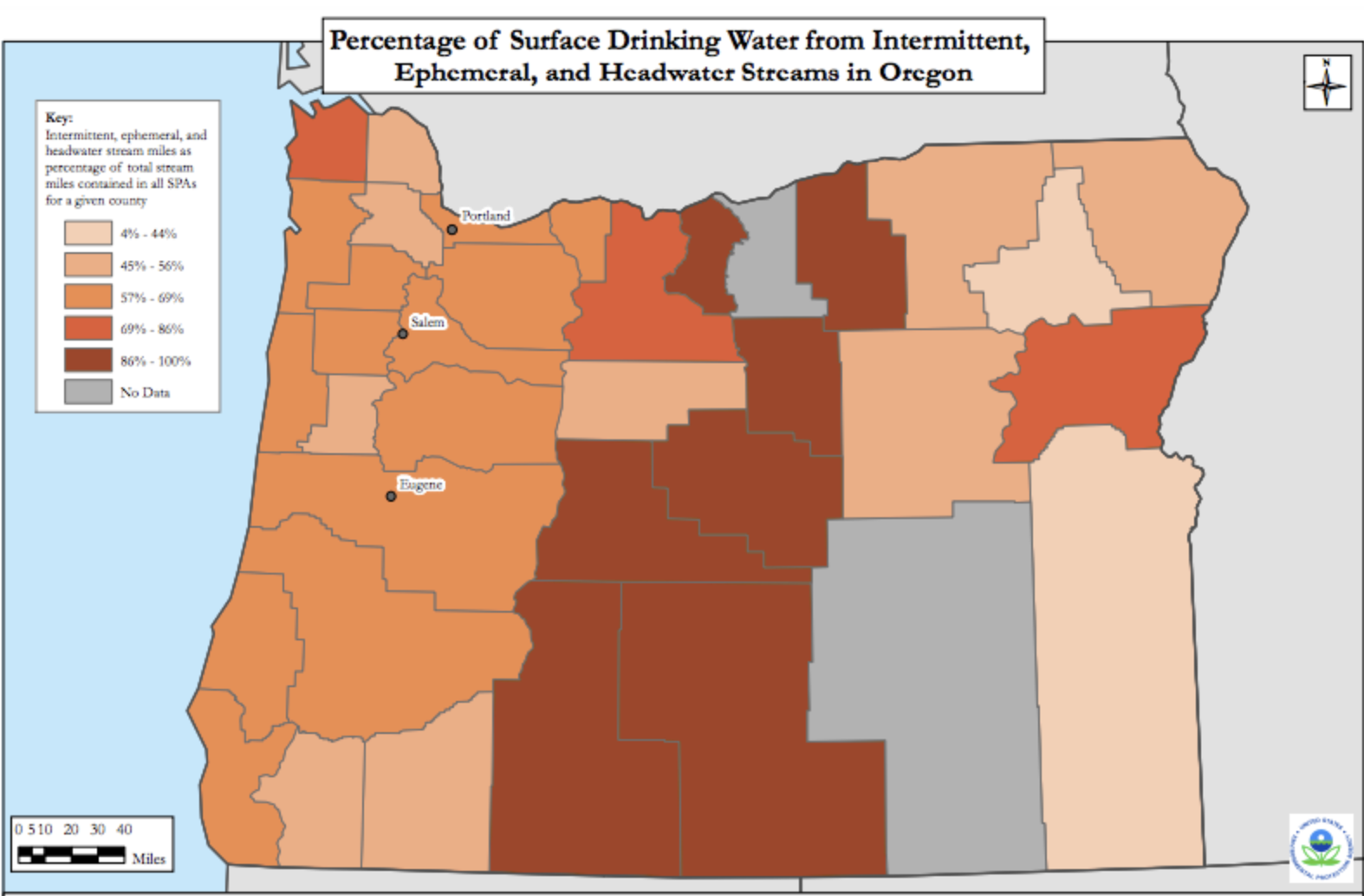
The PERMIT Act also redefines which waters are protected by removing provisions for small streams, wetlands, and ephemeral (seasonal) streams. This change will disproportionately affect western streams like the Deschutes. The topography and climate in the more arid West makes for tributaries like Trout Creek, a key spawning ground for wild steelhead. Research has shown that some wild steelhead key on tributary spawning grounds that may have little, or no flow for a portion of the year. But the PERMIT Act doesn’t take the habits of steelhead, trout or salmon into account. In fact, another portion of this legislation would make it much more difficult to factor in fish as the rationale for water quality standards.
Under the new rules proposed for the CWA, the EPA would no longer be allowed to base water quality standards solely on science. The agency would be required to consider the cost of cleaning up polluted waters–ergo, water could be deemed “safe” if the pollution is too expensive to clean up.
Last, and perhaps worst, the new rules would allow top officials at EPA or the U.S. Army Corps of Engineers to exclude any water they choose from CWA protection–without public input, science or oversight.
What You Can Do to Keep the CWA Whole
The DRA isn’t about to sit idly by while the CWA is dismantled. We filed comments with the feds. To become law, this bill has to pass the Senate. The DRA will be in contact with Oregon Senators Wyden and Merkley to support their “no” vote if and when the bill arrives on their desks.
In the meantime, DRA supporters, and anyone else who cares about the future of clean water, can contact Wyden and Merkley to urge a no vote. Washington voters can reach Senators Patty Murray and Maria Cantwell with the same message.
More From The Blog
Subscribe the the DRA Newsletter
The Deschutes River Alliance is your focused voice to protect the lower Deschutes River, its cold water flows and the fish and wildlife that are sustained by them. We send regular emails with important data and news about the lower Deschutes River. We will not sell your contact information to others.
How to Support the DRA
Everyone wants clean, healthy water in the Deschutes River. Oregonians cherish our clean and healthy waterways to provide drinking water, wildlife habitat and recreational activities. The lower Deschutes River is a federally designated Wild & Scenic River, and a national treasure. It must be protected for the environmental and economic health of Central Oregon. By working together we can return the lower Deschutes River to full health.