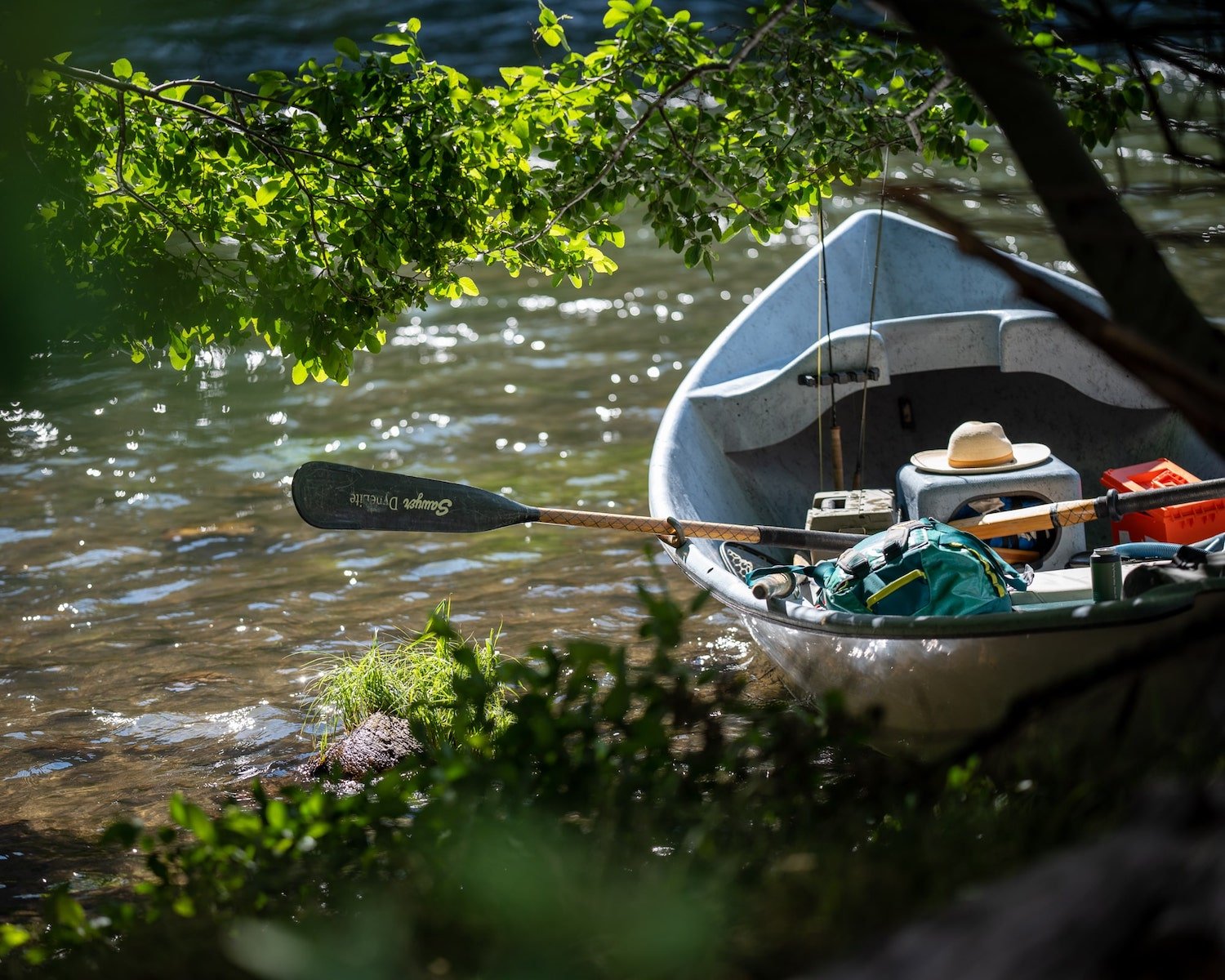
Imperial Stock Ranch: Partners in Conservation
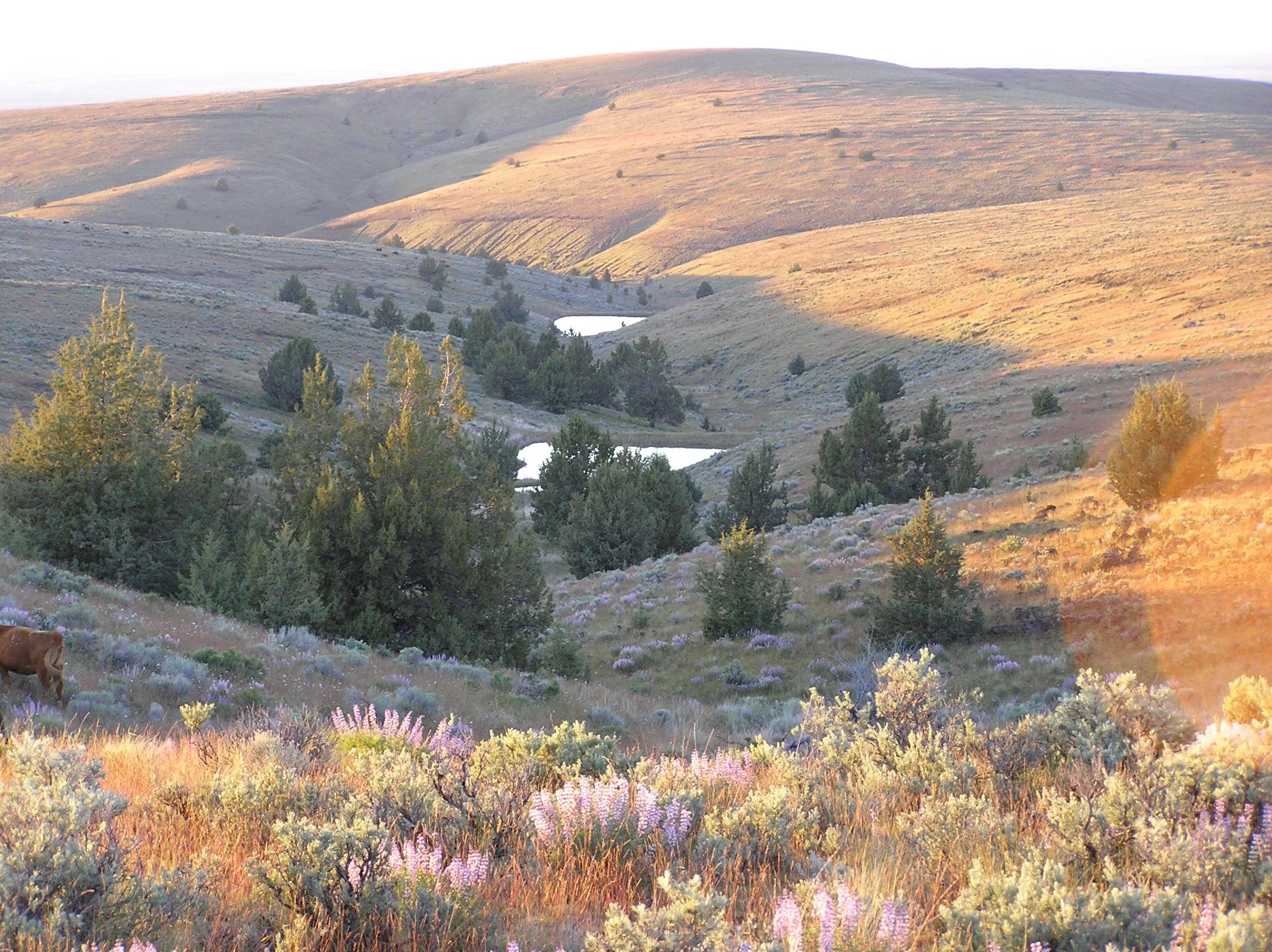
Sediment catch basins built high on Imperial Stock Ranch ground. These capture, store and release water slowly, preventing erosion and creating habitat.
All photos courtesy of Shaniko Wool Company and Imperial Stock Ranch.
The River Starts at the Ridgetop
For the thousands of people who come to the lower Deschutes river to be inspired by its rich diversity of life and beauty, Jeanne Carver would like to remind them of one thing: “The health of a watershed begins at the ridgetop. But for most people, these places are invisible,” says Carver.
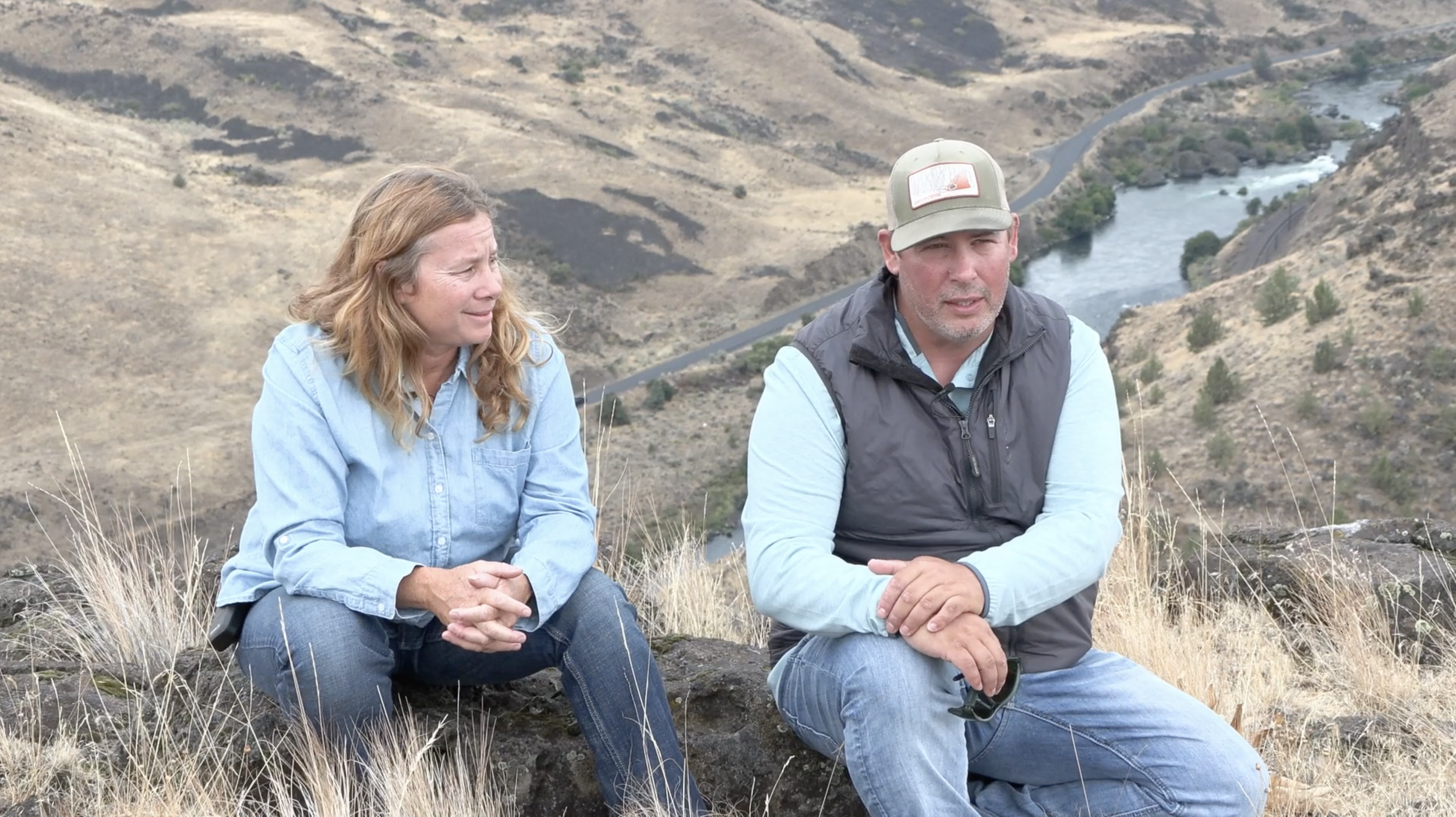
To the Carvers, Jeanne and her husband Dan, and son Blaine, who now oversees operations on the ranch, such places are far from invisible. From their vantage point as owners and operators of the Imperial Stock Ranch, the connection from ridgetop to the river is crystal clear. They reside in the middle of that connection, running sheep and cattle, and growing wheat and hay on 32,000 acres that provide their family with a living, and also plays a vital role in the health of the greater lower Deschutes ecosystem. “Dan always had a heart for the land,” recalls Jeanne of her husband, who died in 2021. “He always wanted to see the land win.” Adds Blaine: “Dad was a closet environmentalist. That’s a dirty word in some ranching circles, but that’s who he was.”
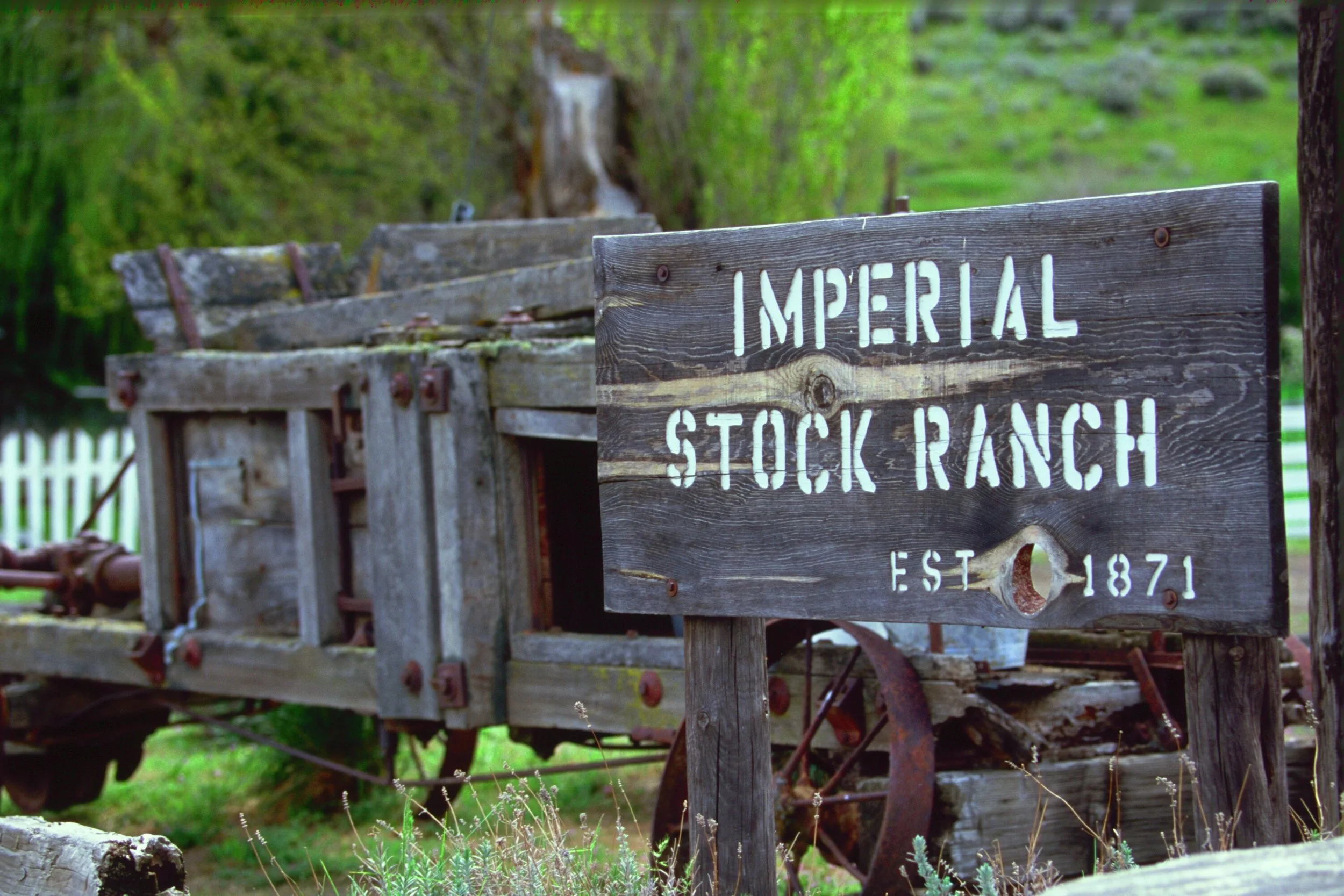
Remember when Ulysses S. Grant was President? He was in the White House when the Imperial Stock Ranch began operations.
The Imperial Stock Ranch has been in continuous operation since 1871. Founder Richard Hinton was born in a covered wagon as his family came west. As a teenager, he helped farm in the Willamette Valley. It may have been the months on end of gray skies, the slog of farm work, or the restless visions of an ambitious young man, but Hinton at 19 wound up homesteading 160 acres in the high, lonesome grasslands on a tributary of Buck Hollow Creek. His first home there was carved out of a cave in a rill with a slim stream running through it now known as Hinton Creek. He saw something he liked there. Not long after settling the place, he became the most successful stockman in Oregon in what was briefly the wool capital of the world.
Hinton put the Imperial Stock Ranch on the map. The challenge for the Carvers was to keep it there in perpetuity. The metrics by which success would be measured changed. Stewardship of land and water–quality as much as quantity–became another goal, all the while working to maintain the ranch as a viable economic enterprise.
Buck Hollow Creek Makes a Comeback
In 1989, Dan Carver partnered with the Natural Resources Conservation Service (NRCS) and the Wasco County Soil and Water Conservation District to develop a Conservation Management Plan. The first step in this process was a comprehensive inventory of the health of their land. “They were going to figure out what was being done well and where things could improve,” Jeanne recalls. Their ranch lies along the headwaters of Buck Hollow Creek which all agreed needed some attention. “Together, agencies, Carvers and neighboring landowners decided to take on the restoration of the creek,” says Jeanne. “But we didn’t know what the outcome would be. Could we make a difference in our lifetimes?”
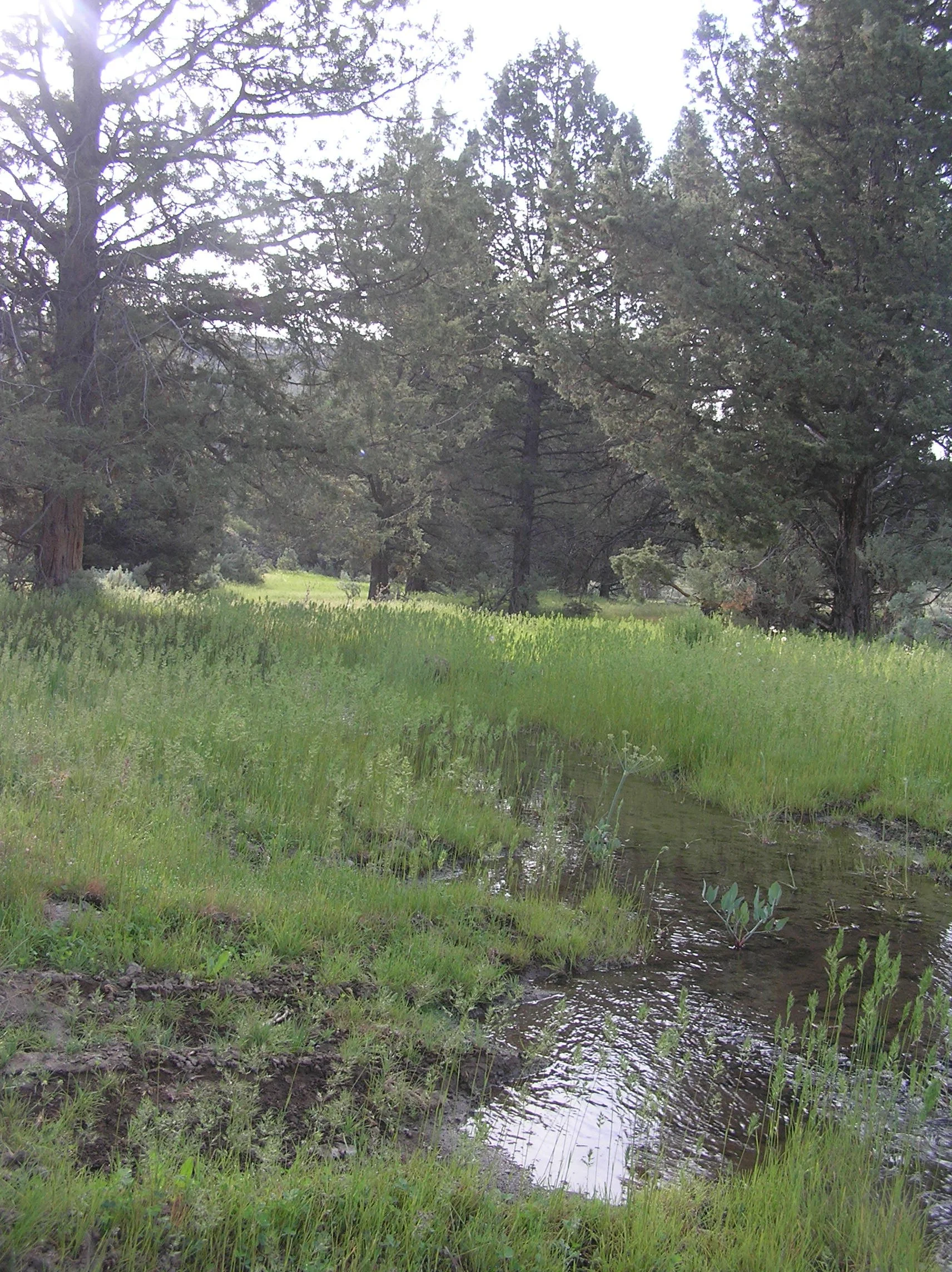
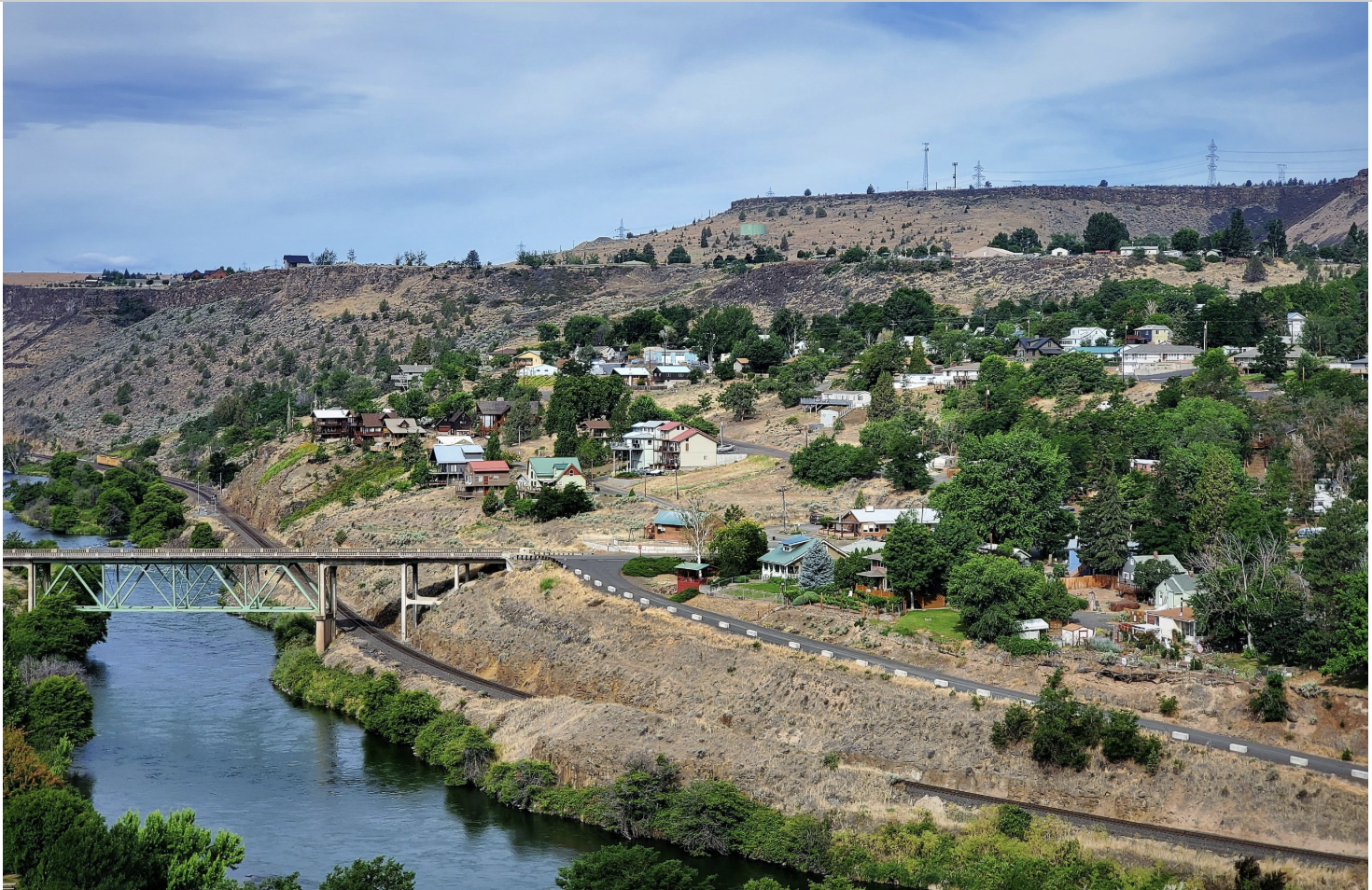
Wood Gulch, a tributary of Buck Hollow Creek, which feeds into the lower Deschutes just below Sherar’s Falls.
Funding from state and federal sources made improvement a reality. “There were just 10 or 20 fish there in the early 90’s,” says Jeanne. “And by 2010, there were over a thousand.”
Blaine points out that the restoration of the creek was good for business too. “Two of the biggest wins were the construction of numerous sediment basins, and building of fences that allowed us to more intensively do rotational grazing.” Blaine was a teenager back then and did some of the work that led to both a better ranch and creek.
Inspired by the results of the creek restoration, Dan and Jeanne started looking for other ways to improve operations–to make the land healthier. They adapted a no-till planting practice long before state and federal soil conservation programs were paying farmers to do it. “We parked our plows in 1996, and our fuel costs dropped by $20,000 that first year,” says Jeanne. “Dan’s goal then became ‘no bare ground.’”
“Dad’s motivation was environmental and economic victory at the same time,” says Blaine. “I’m cut from the same cloth. We were best friends. He explains: “You can tell on any ranch where homesteaders were raising crops on the land, it isn’t the same, you’ve lost the virgin wilderness advantage. The switch to no-till farming and the ongoing learning process has the goal of replicating what mother nature with grazing does on non-farmed ground.”
The goal is to make the land as healthy as possible, and to replicate mother nature as much as possible. “Dan liked to say that conservation work is never done,” recalls Jeanne.
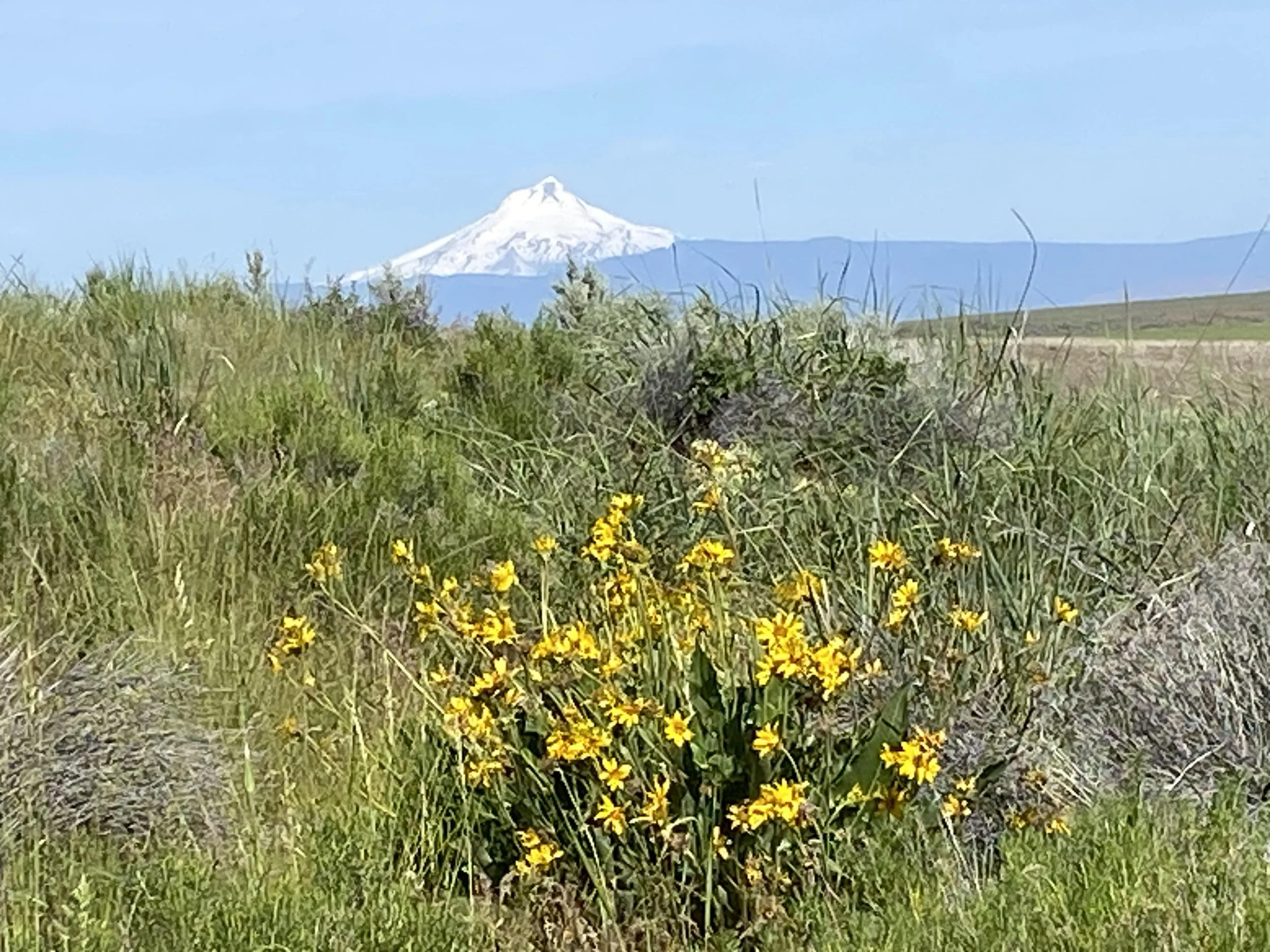
One view of Mt. Hood from the ranch, not far from the cave where ranch founder Richard Hinton lived when he settled the Imperial.
The Imperial Makes the Olympics
Also true of conservation: sometimes necessity is the mother of invention. In 1999, the same wool buyer that had partnered with the Imperial Stock Ranch for a hundred years let it be known they weren’t buying wool that year. They followed most in the apparel industry, moving supply chains and production to foreign shores. Imperial Stock Ranch wool risked becoming a stranded asset.
Jeanne started at ground zero, marketing lamb and wool on her own. Within a year, restaurants in Portland and Bend featured Imperial Stock lamb on their menus.
Marketing the wool was a longer-term project. A “ranch-to-runway” approach meant building supply chain relationships as close to home as possible. Fashionable, high quality wool apparel, built on the long legacy of the Imperial Stock Ranch and its conservation ethic, developed a reputation among designers.
When athletes at the 2014 Winter Games in Sochi, Russia walked into the stadium for opening ceremonies fifteen years later, their outfits were made with wool from the Imperial Stock Ranch. For Jeanne, the world stage wasn’t just a feather in a wool cap. It was a chance to do something not only for the family ranch, but for a beleaguered industry.

Athletes at the opening ceremonies of the 2014 Winter Olympics in Sochi, Russia.
An unholy alliance of market forces, globalization, environmental havoc, and an aging population of ranchers and farmers has put family operations like the Imperial Stock Ranch at risk. Ranchers and farmers, Jeanne points out, have a suicide rate 3 times higher than the general population. “Not enough people realize that a key to land stewardship lies with the family farm,” says Jeanne. “The corporatization of farming means that the people who are not on the land are making the decisions. If profit is always the motivation, there's a chance stewardship is sacrificed. My new hope is that ranchers can be paid for delivering improved land health.” It’s more than just a hope.
Patagonia founder Yvon Chouinard paid an in-person visit to the Imperial Stock Ranch when he came to fish the Deschutes in the mid-2000s. He was impressed with what he saw. Years later, in 2015, Patagonia called again. The company was seeking to rebuild their wool supply. They were also helping create a global standard for wool that would require a third-party audit to certify stringent requirements for the health of land, animals and workers. When the Responsible Wool Standard (RWS) program was launched in 2016, the Imperial Stock Ranch was the first in the world to be certified. That wasn’t enough for Jeanne.
With demand for RWS certified wool increasing, she launched the Shaniko Wool Company in 2018. It markets wool from 10 ranches around five western states. Aggregately, these ranches manage 3.8 million acres of western lands. Jeanne hopes to add five more ranches soon, growing the total acreage substantially.
In addition to the RWS certification, Shaniko Wool ranches meet the NATIVA™ Regenerative Agriculture Program standards. It further incentivizes protection of the land by improving soil and water quality as well as animal health. Since the wool sells for a premium price, it boosts ranch-derived income. It also captures carbon dioxide, good for the planet’s endangered atmosphere, and another potential revenue stream.
Research from Oregon State University, working on the Imperial Stock Ranch, found that regenerative ag practices there add 1.86 tons of carbon (net) per acre to the soil each year. A Florida firm that trades in the nascent carbon credit market contracted with the Imperial for the carbon it sequesters.
For the River, The Best Partners in the Business
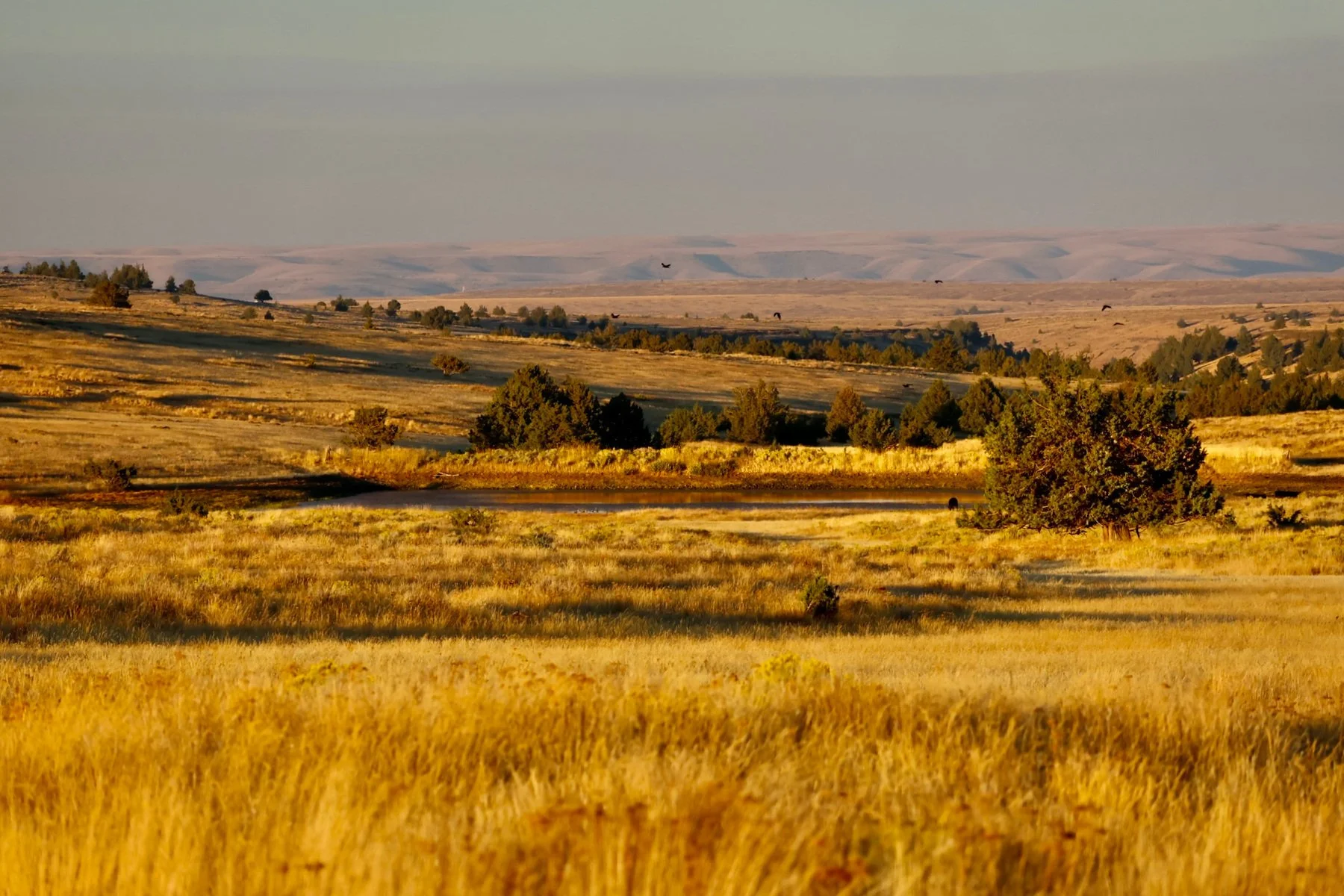
Uplands: A rich landscape in unforgiving country, the vitality of the Imperial’s ground contributes to the health of the lower Deschutes.
The OSU research also confirmed what the Carvers had long suspected: intelligently managed grazing is an ecological net positive. Grazing animals that chew grass and plants stimulate roots below ground, biomass above ground, and seedhead production for the next generation of leafy green growth.The increased growth and production in plant communities leads to more photosynthesis, which captures more CO2.
Shaniko Wool Company’s wool was tapped by Ralph Lauren for the style on display by U.S. athletes at the opening and closing ceremonies in last month’s Winter Olympic Games in Cortina, Italy. This marked the fifth Olympic involvement since 2014 where Imperial Stock Ranch or Shaniko Wool Company products were on display. While grateful for the global media exposure, Jeanne’s mission remains the economic and ecological health of family ranches around the west. This month, she’s embarking on a literal barn-storming tour of the Shaniko Wool ranches, checking in at each ranch on the 275 parameters that set high standards for water, soil, animal and worker health. She’s also a sought-after speaker. “My talk is about the sunlight, salmon, soil connection,” says Jeanne, who’s given her lecture as far away as Australia, and is slated to speak at an ag conference in China. “A lot of what we learned from and were inspired by started with that project on Buck Hollow Creek.”
Dan Carver, says Jeanne, got to see the land win. His work did make a difference in his own lifetime. “By 2010, he saw that his vision was working. Those salmon, the elk and deer, the plant communities, habitats, trees, bushes, grasses. Animals staying up high, staying out of the creeks.”
Blaine is carrying on that vision in spite of the challenges. He describes how winters have changed. “Climate change is here, and to anybody who wonders whether one degree in average temperature can make a difference, I can tell you it sure as hell does.” He recalls how February lambing in his younger years was done occasionally in sub-zero temperatures and/or a blizzard. This year’s biggest winter storms came in the form of rain in December.
The current state of foreign affairs isn’t reassuring either. “The war in Ukraine affects wheat prices, and the war in Iran affects the price of fuel and fertilizer,” he observes.
Local energy projects are creating more problems. “Fifty-thousand acres in Sherman County are now under lease for solar farms,” Blaine points out. “Now do I think all of that is going to be developed? Probably not. But it helps create a situation where the cost of the land can’t be met by production on it.”
Due to labor shortages and the better return on investment with cattle, the Imperial, at least for now, is not running sheep on its ground. “We’ll see. There might be a time when we get back to it. But honestly, I’ve always been more of a cow guy.”
Whether cattle or sheep, Blaine, like Dan and Jeanne, is always looking for ways to make things better. He describes e-collaring of his animals, an emerging technology which allows for less fencing and yet more aggressive rotational grazing. “When we started getting after better grazing practices, we were moving cows every thirty days,” says Blaine. “Now we can move them every five days.”
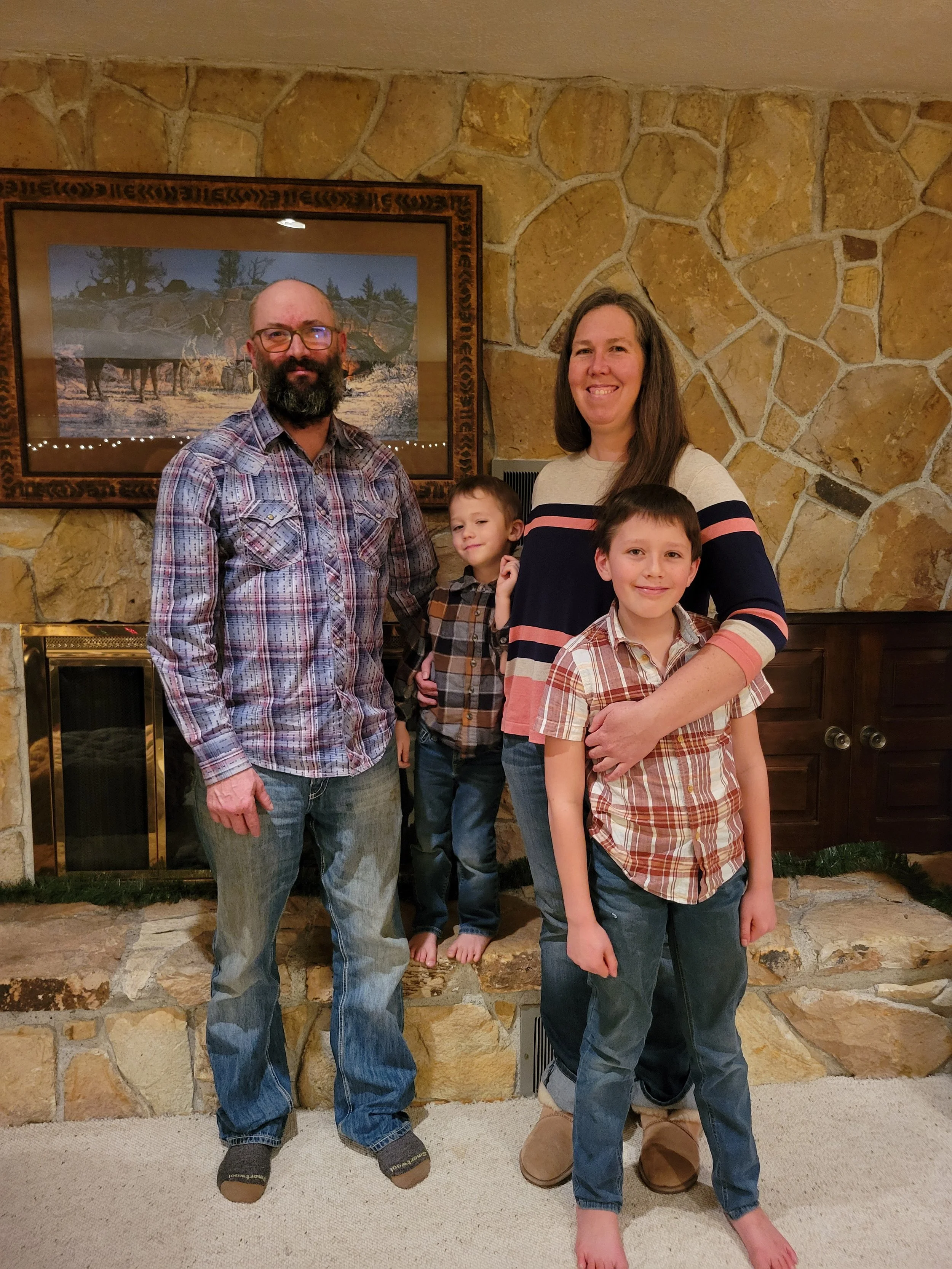
Keeping the Imperial running at its best: Blaine, Leo, Keelia, Eliot.
Blaine and his wife Keelia bought the neighboring ranch a few years ago, and had started raising their family at the home there. “But we’ve moved back to [Imperial Ranch] headquarters,” says Blaine of the historic house and outbuildings of the Imperial. “It’s kind of the center of everything.”
Blaine still keeps a watchful eye on Buck Hollow Creek. “The BLM crew has been doing lamprey and steelhead surveys there in recent years,” he says. The restoration of salmon and steelhead to Buck Hollow Creek has been good for the ecology and economy of the family ranch. “The river starts in the uplands,” he says. “Ranchers are partners in river conservation.”
In the Carver family of the Imperial Stock Ranch, the lower Deschutes River has some of the best partners in the business.
More From The Blog
Subscribe the the DRA Newsletter
The Deschutes River Alliance is your focused voice to protect the lower Deschutes River, its cold water flows and the fish and wildlife that are sustained by them. We send regular emails with important data and news about the lower Deschutes River. We will not sell your contact information to others.
How to Support the DRA
Everyone wants clean, healthy water in the Deschutes River. Oregonians cherish our clean and healthy waterways to provide drinking water, wildlife habitat and recreational activities. The lower Deschutes River is a federally designated Wild & Scenic River, and a national treasure. It must be protected for the environmental and economic health of Central Oregon. By working together we can return the lower Deschutes River to full health.