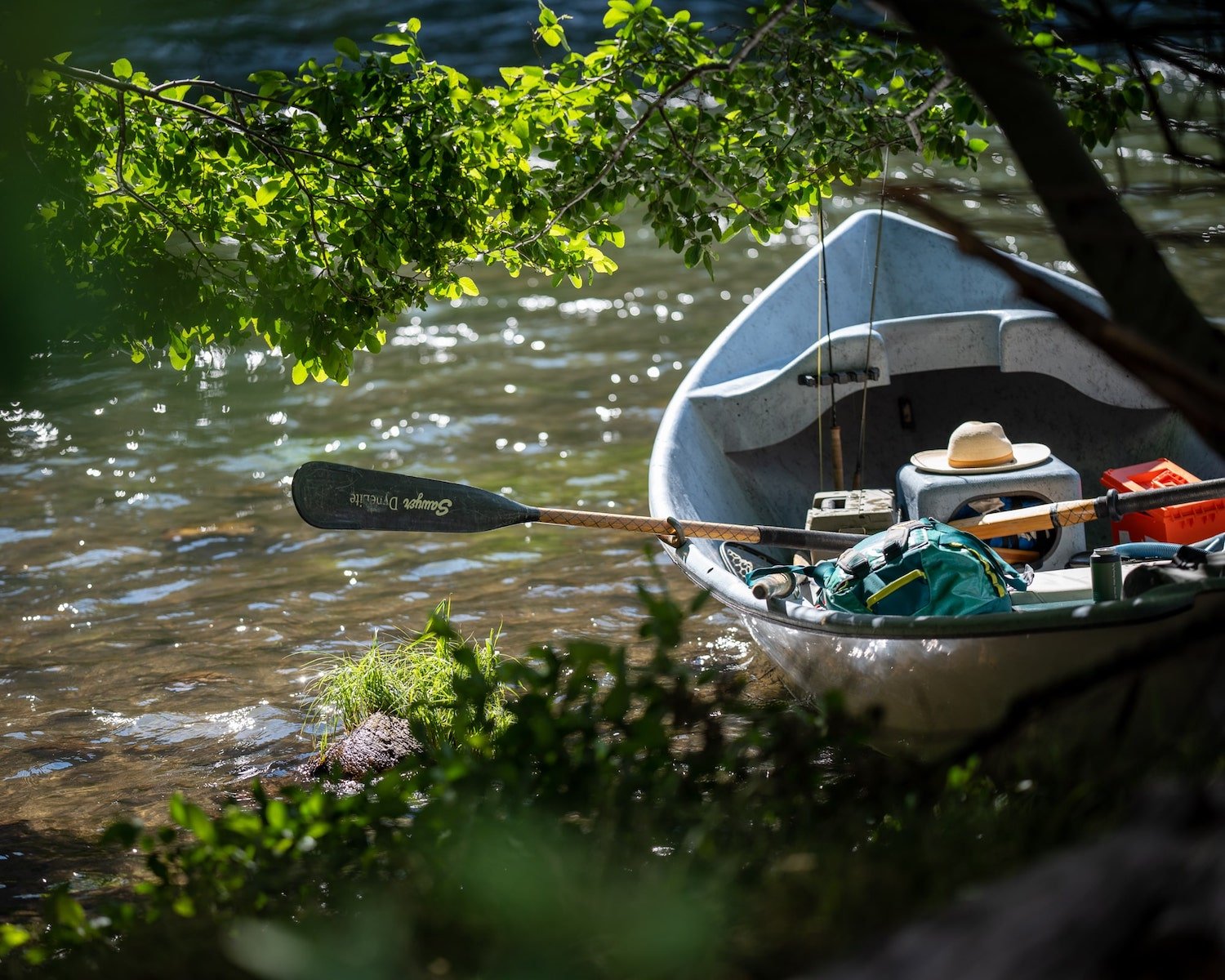
Keep Cool: Best Practices to Keep Fish Healthy in a Hot Summer
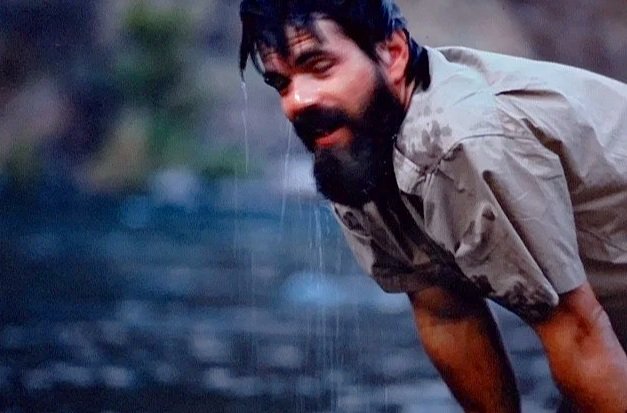
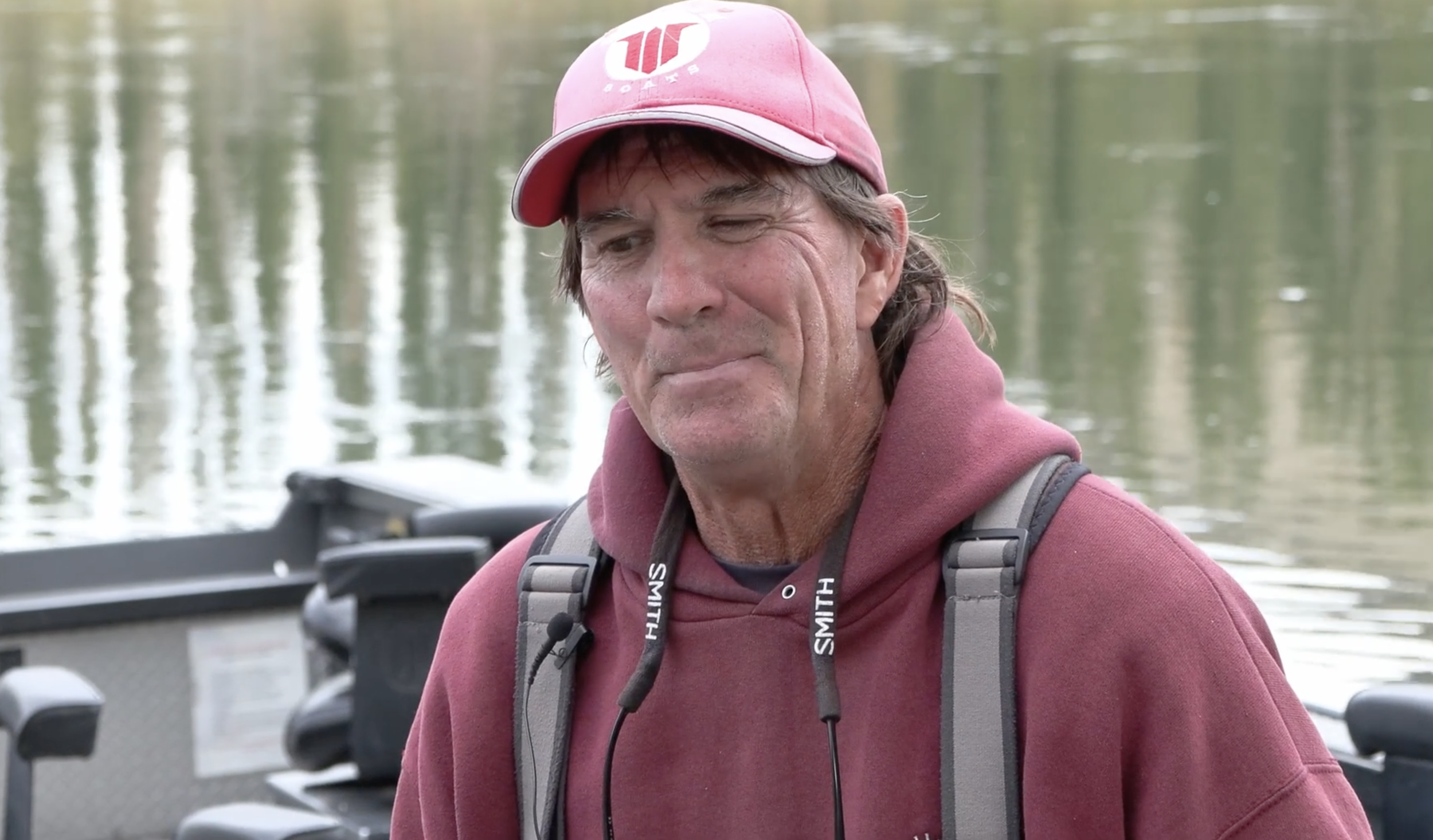
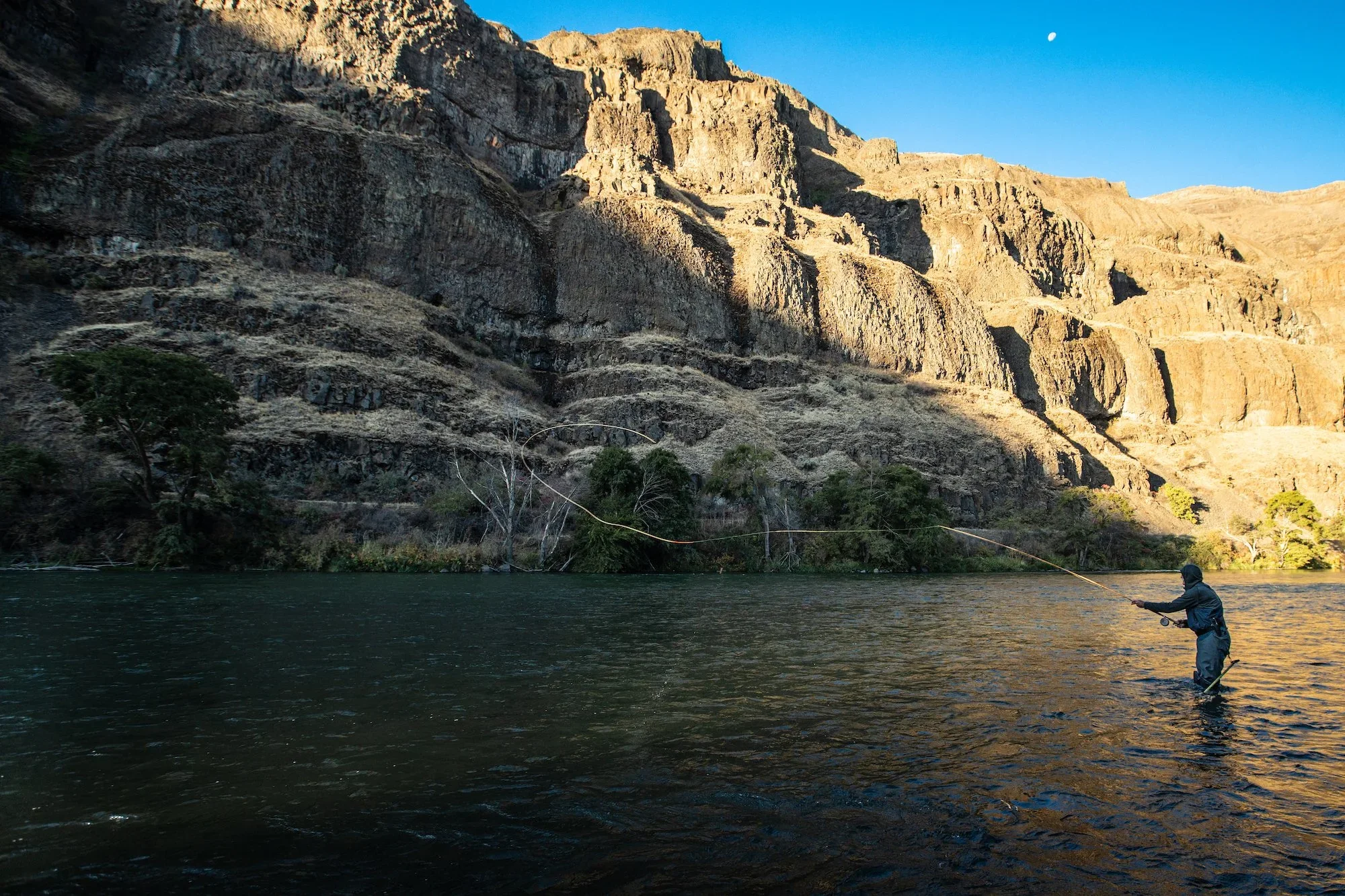
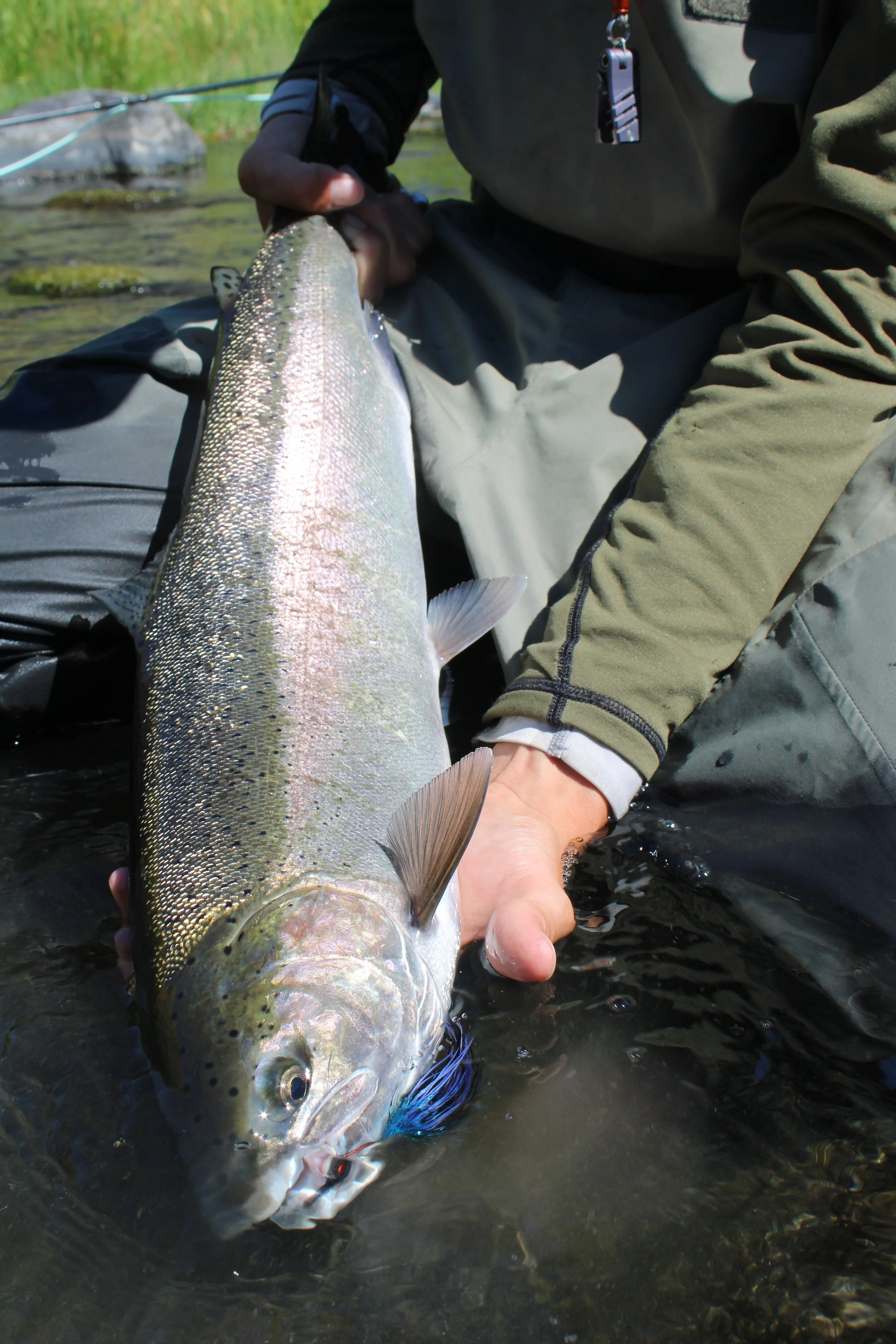
On a hot summer Deschutes day of yesteryear, John Hazel keeps it cool. What’s good for the guide is good for the fish: keep ‘em wet, and follow best angling practices in what will be a low flow, warm water summer.
Do Your Best at Catch and Release
Summer 2026 officially began last Sunday, but drought conditions have already beset much of the Pacific Northwest, including the Deschutes Basin. A historically thin snowpack that disappeared two months ahead of schedule prompted Oregon Governor Tina Kotek to declare a drought emergency in every central Oregon County.
The weather forecast for this weekend provides some reprieve: rain and unseasonably cool weather, but the long-range outlook is for low stream flows and high water temperatures.
A silver lining to the hot dry conditions: The Oregon Department of Fish and Wildlife does not anticipate implementing hoot owl restrictions on Oregon waters, including the lower Deschutes River. The agency’s research suggests that hoot owl regulations–restricting fishing to early morning hours–doesn’t seem to have any measurable impact on fish health and mortality rates.
But anglers, especially in the mid-summer heat of the lower Deschutes canyon, will need to do their part to help trout, salmon and steelhead survive the warm water. ODFW suggests the following to ensure fish have a fair shot at making it to the cooler, and hopefully wetter, fall and winter:
• Use rubberized nets to prevent snagging and reduce injury.
• Keep fish in the water while removing hooks.
• Avoid beaching fish and minimize the time they spend out of the water.
• Use barbless hooks to make release quicker and less harmful.
• Land fish promptly to prevent over‑exhaustion.
• Wet hands before handling fish to protect their slime layer.
• Use pliers or a hook‑removal tool to speed up release.
• Gently support fish in the water until they swim away on their own.
• Avoid fishing during periods of high-water temperatures or poor water quality when fish are already stressed.
On the lower Deschutes, regardless of the water year, the old adage is generally true: there’s magic in the morning. A start in the pre-dawn gloaming leaves you room for a heat-beating afternoon siesta.
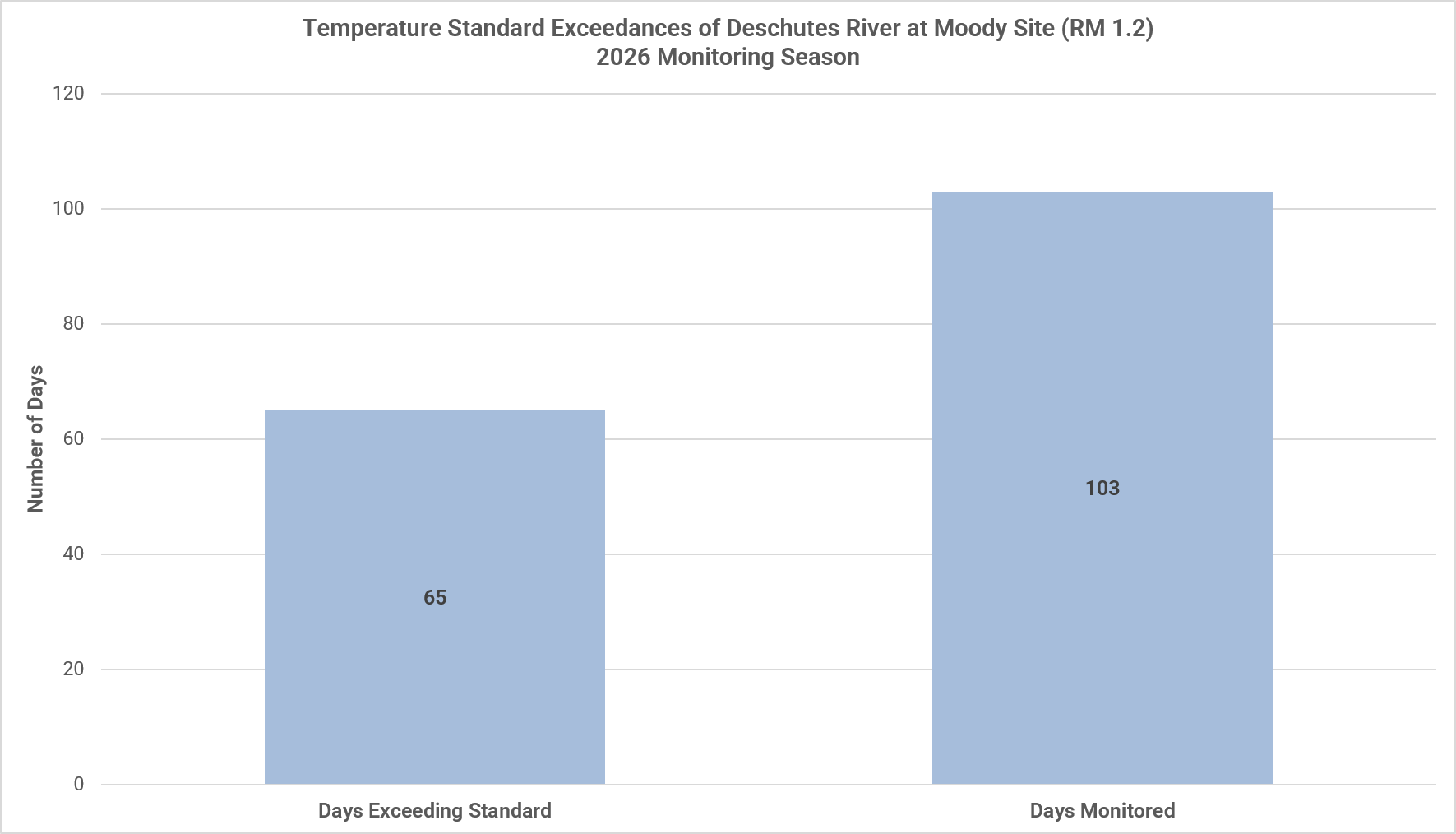
The DRA provides real-time water quality updates, including temperature, at all three of our monitoring stations, as well as weekly water quality updates that go out with our Thursday morning email blast. Keep an eye on water temperatures, and plan your angling experience accordingly.
Alongside our coalition partners, and with your continued support, we’ll also continue our persistent efforts to convince Portland General Electric to release the maximum amount of colder, cleaner water from the depths of Lake Billy Chinook. In the meantime, keep yourself cool and hydrated, and do the same for the fish you connect with.
More From The Blog
Subscribe the the DRA Newsletter
The Deschutes River Alliance is your focused voice to protect the lower Deschutes River, its cold water flows and the fish and wildlife that are sustained by them. We send regular emails with important data and news about the lower Deschutes River. We will not sell your contact information to others.
How to Support the DRA
Everyone wants clean, healthy water in the Deschutes River. Oregonians cherish our clean and healthy waterways to provide drinking water, wildlife habitat and recreational activities. The lower Deschutes River is a federally designated Wild & Scenic River, and a national treasure. It must be protected for the environmental and economic health of Central Oregon. By working together we can return the lower Deschutes River to full health.