The Cost of a Fishing Closure
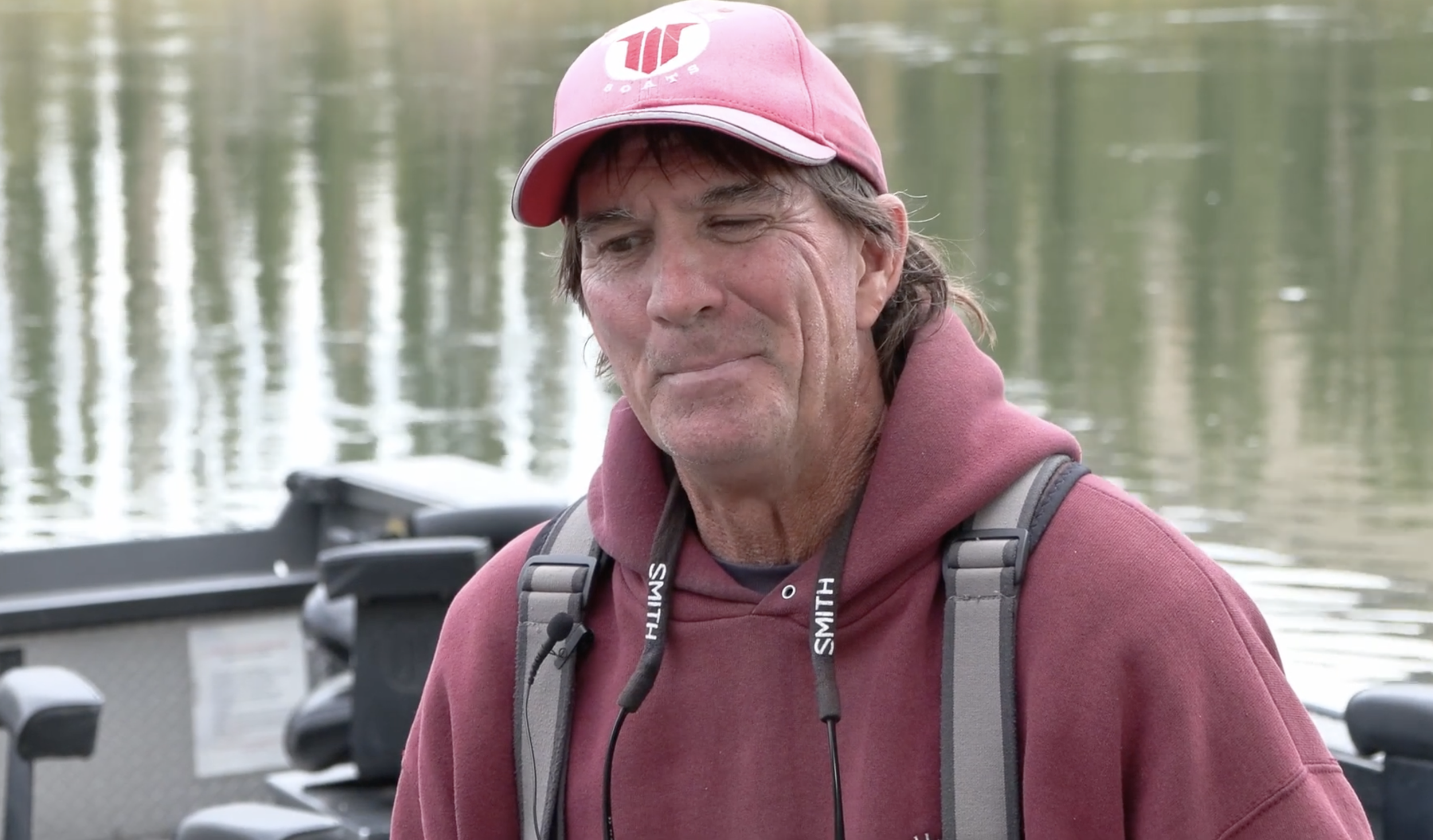
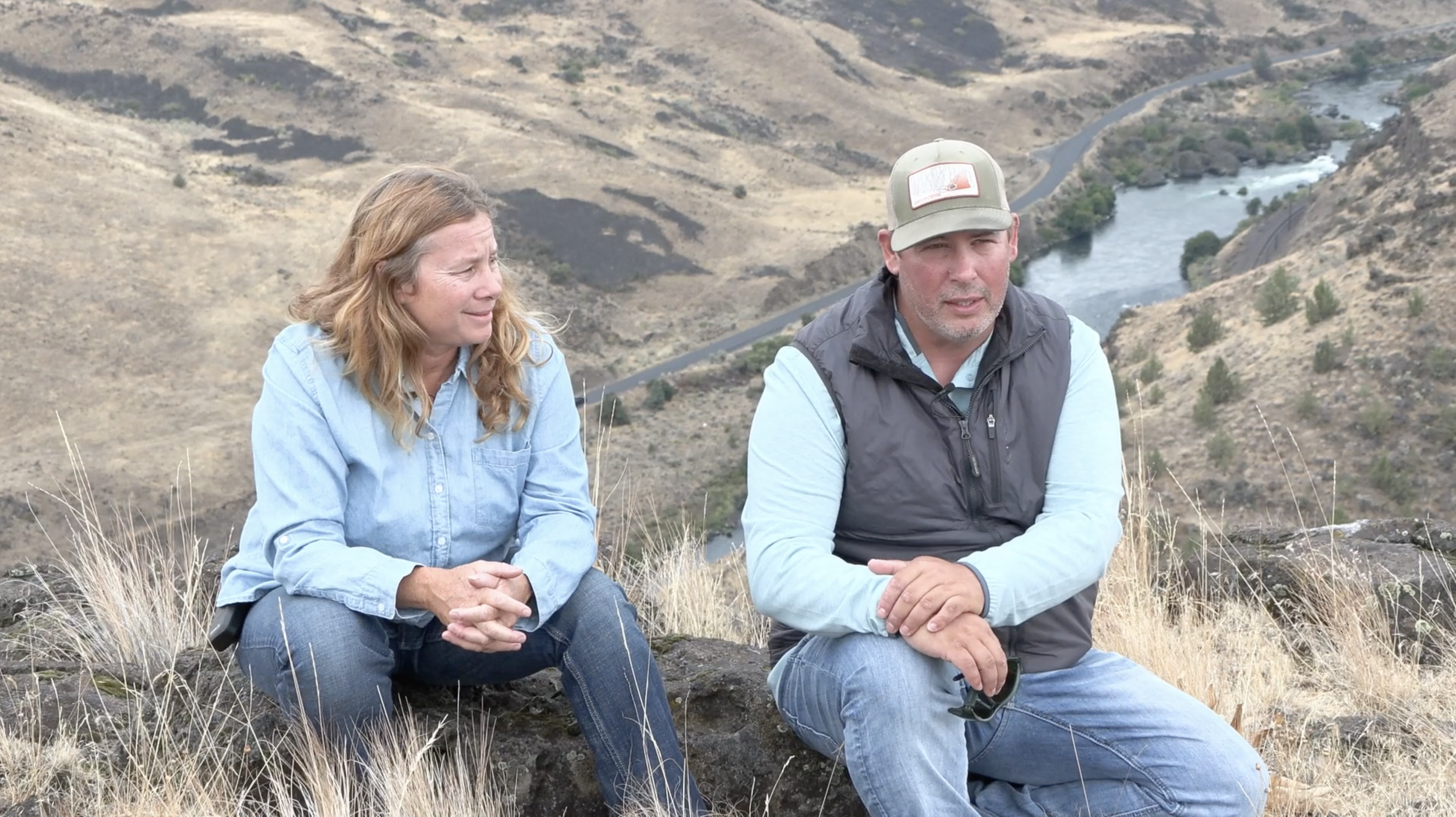
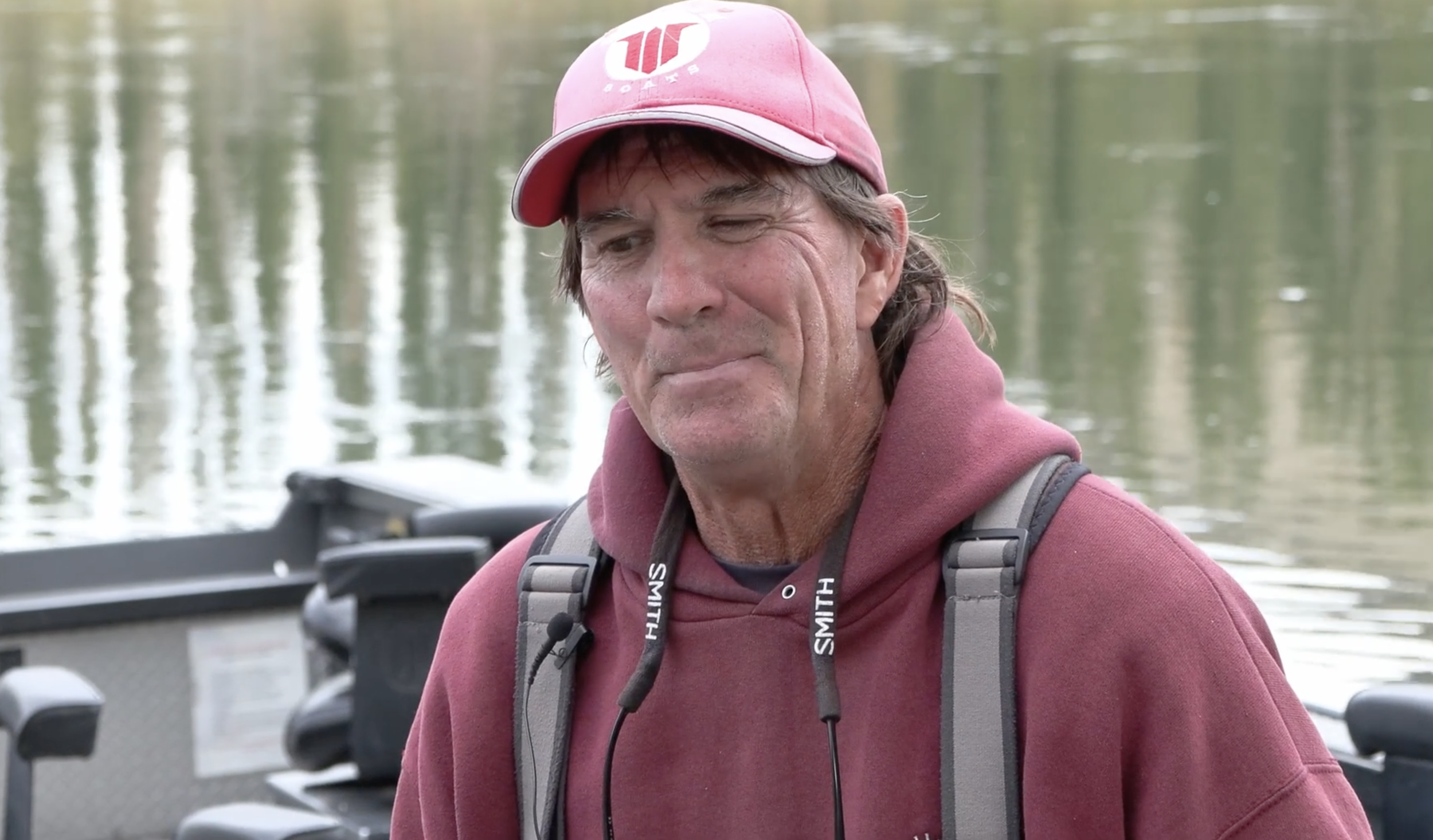
Brad Staples, seasoned guide on the lower Deschutes River. His guide business, like that of every other Deschutes steelhead guide, will take a hit starting August 15th with the closure of steelhead fishing.
Steelhead Mean Business
Brad Staples has been guiding clients for steelhead on the lower Deschutes River for over four decades. He opens bookings for clients in December of each year. By the end of January, he’s booked for the season. As a seasoned guide, he’s cultivated over a long career a slate of clients who come back to fish with him year after year. But some of them will miss out this year.
The Oregon Department of Fish and Wildlife announced last week steelhead fishing in the Deschutes will close on August 15th. Staples last day with clients, at least until September 15th, will be August 12th. “It’s a 78 to 80 day season, and by the 12th, I’ll have 23 days in. But I’m cancelling 21 days,” Staples says.
Those 21 days represent about $30,000 worth of income for Staples’s business. But in the larger economic picture, he sees it’s not just about him. “During the season, for about 50 nights, I’m taking four to six clients plus me out to dinner,” he says. “They all have hotel rooms. There’s fuel for my van and the boat. They are buying fishing licenses that help support the Oregon Department of Fish and Wildlife. A one-day license is $29.00, plus the Columbia River Basin Endorsement. $30.00 a day, times 4-6 clients for 21 days adds up.”
The ripple effect Staples describes surely drags on the region in significant ways when fishing is poor or cancelled altogether. No studies to date exist on the cost of a Deschutes steelhead closure–which last occurred in 2021–but several estimates have been made of the annual value of fishing around the Deschutes.
Angling Economy Boosts Central Oregon
A 2011 study published by three Michigan researchers found Deschutes River recreation pumps $145 million ($220 million in 2025 dollars) into the regional economy. Another 2019 study commissioned by Travel Oregon, ODFW, and Earth Economics estimates that Wasco and Sherman Counties see $7.6 million ($9.8 million adjusted for inflation) annually in fishing-related income. Deschutes County reaps about $34 million. Often lost in these aggregate totals is that the money represents livelihoods, economically secure lives for a lot of people, especially in smaller towns like Maupin, where businesses thrive or don’t, oftentimes on precariously thin margins.
The Deschutes River Steelhead Sport Fishery Management Framework, written by ODFW, was created in 2022, on the heels of the 2021 steelhead closure, and revised in 2025. Benchmarks for wild (unclipped) steelhead passage over Bonneville Dam determine if steelhead fishing remains open. Fishing guides and others that keep track of the movement of steelhead over Bonneville Dam, knew that around the first week of July, the wild steelhead numbers did not look encouraging. According to the ODFW Deschutes Steelhead Framework, a total of 9,900 unclipped (wild) fish must pass through the fish ladder at Bonneville Dam from July 1 to July 31 for the Deschutes to remain open. The handwriting was on the wall as of July 20th, when only 3,639 wild fish had passed. Though that number roughly doubled in the last ten days of the month, it’s still well short of the 9,900 needed under the Framework.
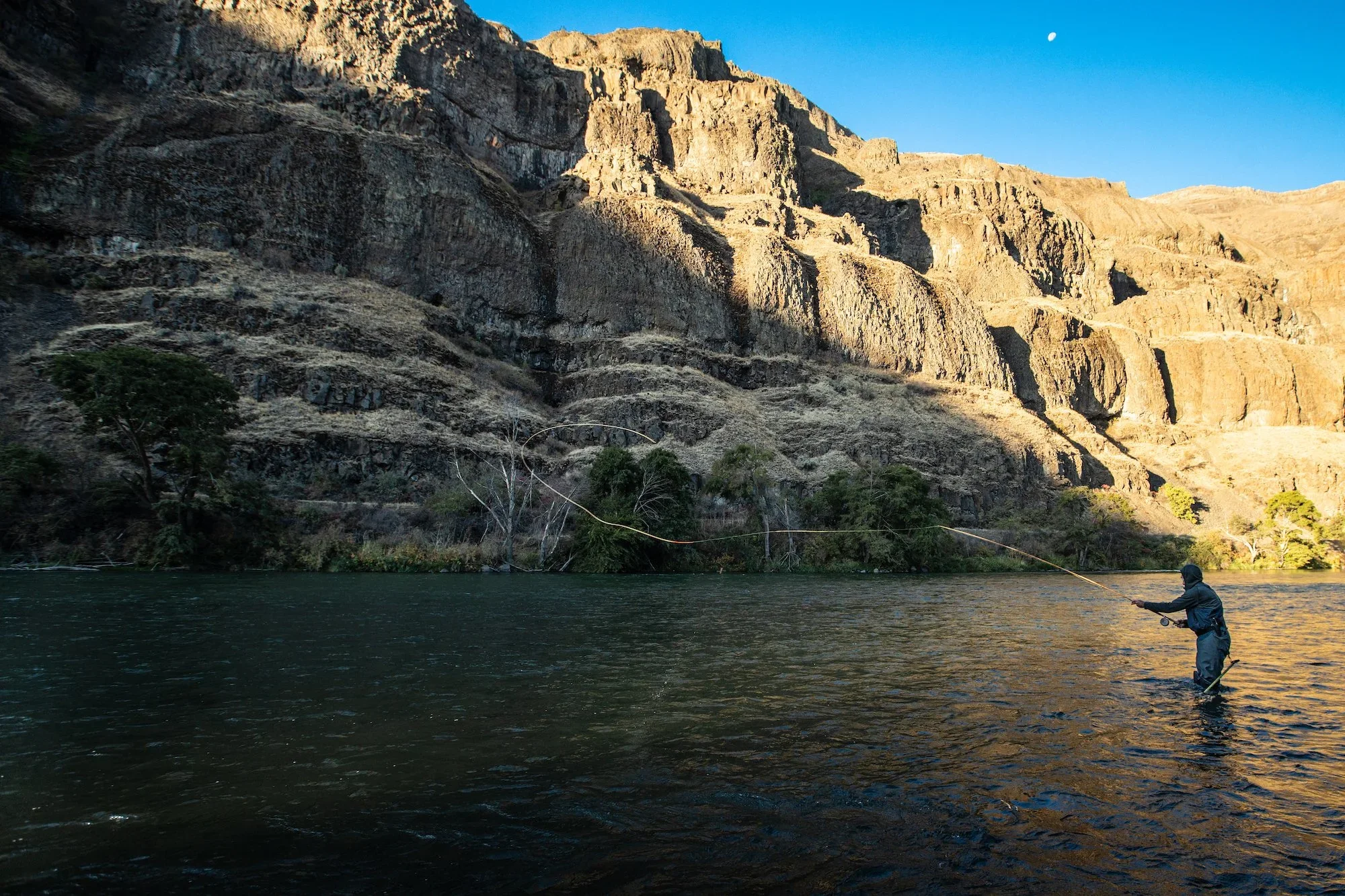
So what’s next? Steelhead fishing will be closed on the lower 100 miles of the Deschutes for at least four weeks from August 15th-September 15th. If 23,100 wild steelhead pass Bonneville between July 1st and August 31st, the Deschutes will re-open for steelhead by September 15th. If that escapement goal isn’t met, ODFW will maintain the closure through the end of the year. The numbers are daunting in a year when Columbia Basin unclipped Steelhead returns are running at less than half of the already anemic 10-year average.
Pain of Closure Concentrated on lower Deschutes
As the many businesses that rely on a steelhead season take a hit, fisheries managers will likely feel some heat. So who’s to blame?
In the grand scheme of steelhead management in the Columbia Basin, ODFW plays a significant but limited role. The agency has no jurisdiction over water quality or quantity within the state. Outside the state, Columbia Basin anadromous fish are managed by a dizzying array of federal, state and tribal agencies, each with different priorities that make even-handed, much less effective management maddeningly difficult.
Oregon, for example, adapted 2021 federal recommendations for its Columbia tributaries, including the Deschutes, that provide cold water refuges for upriver migrating fish. Washington did not.
In recognition of the importance of cold-water refuges, ODFW has instituted an extensive seasonal angling closure in the Columbia upstream and downstream from the Deschutes-Columbia confluence. Additionally, the Deschutes itself is closed for about one half mile upstream from the mouth, also in recognition of its importance as a cold water refuge there. So while the Deschutes is closed for part of the steelhead season from its mouth upstream to protect fish that need cooler water, all the Washington tributaries remain open. (That PGE’s management of flows in the lower Deschutes greatly compromises the efficacy of the designated cold water refuge is yet another problem.) Further inconsistencies further confound the goal of protecting wild steelhead.
It’s not lost on Brad Staples that the mainstem Columbia is open, from Buoy 10 west of Astoria to McNary Dam, virtually the entire northern length of Oregon, and will remain open for salmon, while the Deschutes will be closed for at least a month. The same stretch of the Columbia closed for all steelhead retention and targeting beginning August 1st. But leaving it all open for salmon fishing means incidental encounters with steelhead in the same water will inevitably occur. “We’re trying to protect wild fish in the Deschutes, but guys are out in the main river [The Columbia] with bait, fishing from a boat,” says Staples. “We’re using lures and flies, wade fishing, and releasing every wild fish we encounter. When there are steelhead in the river we catch them, when there are not there, we don’t. But, people still want a chance to catch a steelhead, hatchery or unclipped. The canyon, scenery and wildlife encounters are amazing.”
On one hand, ODFW should get some credit for exercising the precautionary principle by at least attempting to manage one river, the Deschutes, for wild steelhead. But on another level, just a single river that is strictly managed won’t be enough.
The health of the Deschutes has implications for the health of steelhead throughout the Columbia Basin. It is is a vital refuge for thousands of upriver migrating steelhead–not just Deschutes steelhead, either. Staples notes that the majority of steelhead in the lowest reaches of the Deschutes are out of sub-basin basin fish. They come into the Deschutes River for a few days to a few months. Some swim 100 miles to the Pelton - Round Butte Fish Hatchery. Many leave the Deschutes and return to the Columbia River continuing their way east. Fisheries managers, says Staples, have a way to distinguish between Deschutes hatchery fish and wild ones. “The reason that we had adipose fin marking of hatchery steelhead and salmon was to not have closures,” says Staples.
A closure on the Deschutes, where angling regulations, and more importantly, a culture of conservation-minded anglers are most likely to do the least possible harm to fish, concentrates the economic pain in a way that doesn’t seem quite fair.
Is there a better way? For Staples, an answer to that question won’t fix the predicament this year, which he and every other Deschutes steelhead guide, angler and the businesses they support now find themselves in for at least a month. “We can’t do anything about it this season,” he says. “It’s an issue we’ll hopefully get to address this winter. We need unclipped/wild steelhead. I don’t want my name on the last steelhead that swims up the Deschutes River. If I truly believed I was causing harm to this fishery, I would stop guiding. I don’t believe that myself and the others are doing damage.”
More From The Blog
Subscribe the the DRA Newsletter
The Deschutes River Alliance is your focused voice to protect the lower Deschutes River, its cold water flows and the fish and wildlife that are sustained by them. We send regular emails with important data and news about the lower Deschutes River. We will not sell your contact information to others.
How to Support the DRA
Everyone wants clean, healthy water in the Deschutes River. Oregonians cherish our clean and healthy waterways to provide drinking water, wildlife habitat and recreational activities. The lower Deschutes River is a federally designated Wild & Scenic River, and a national treasure. It must be protected for the environmental and economic health of Central Oregon. By working together we can return the lower Deschutes River to full health.