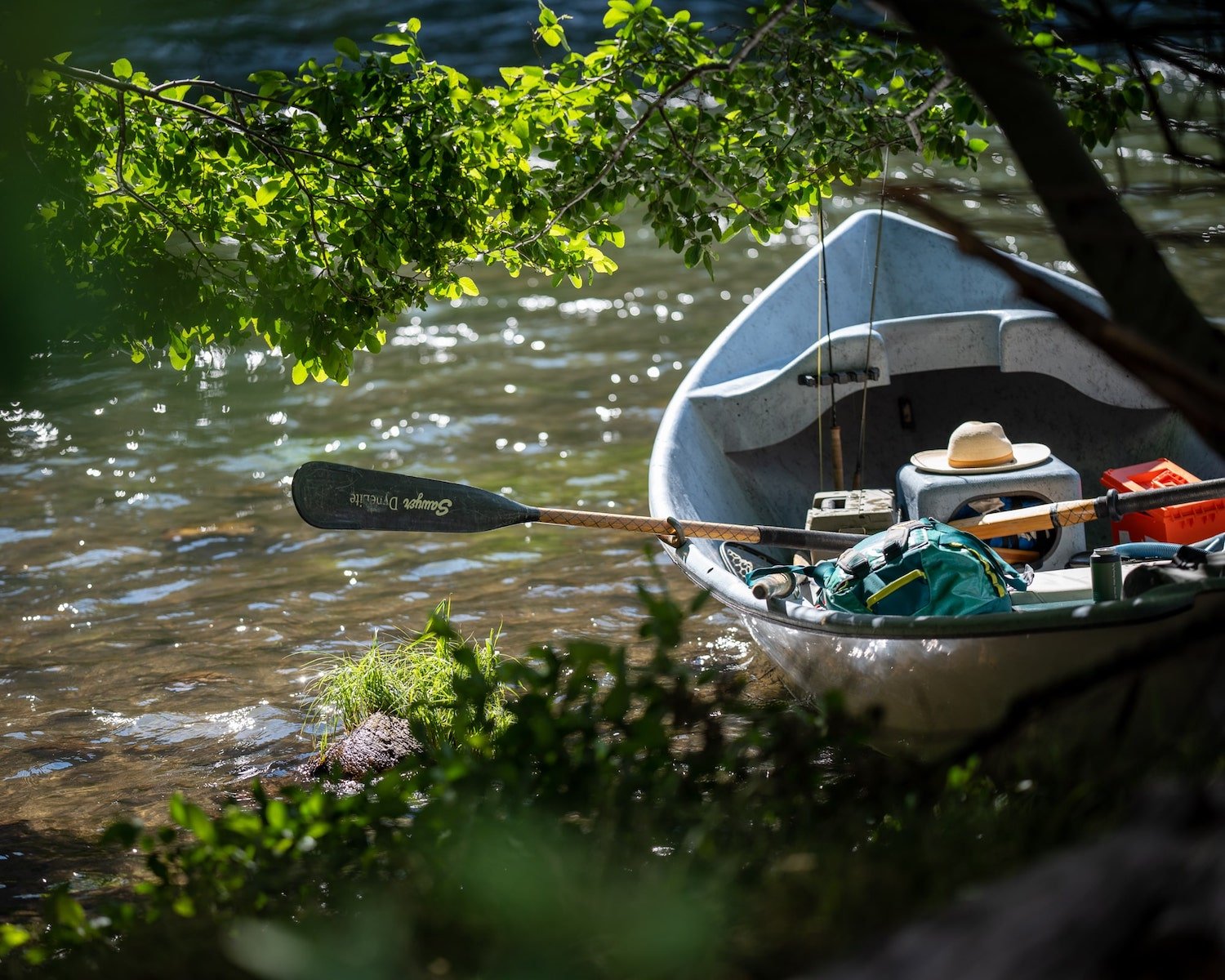
The Pain of a Slim Steelhead Season
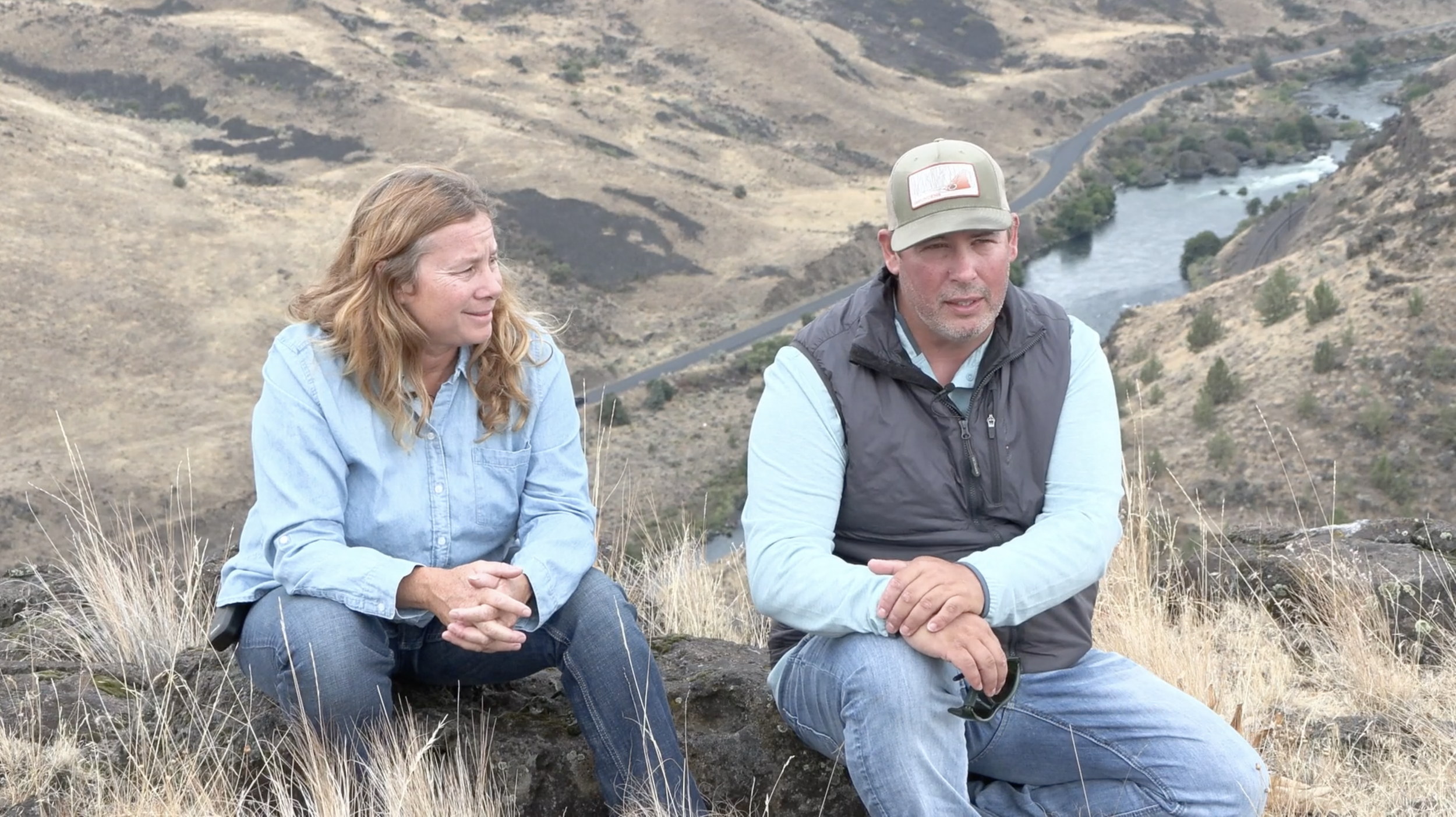
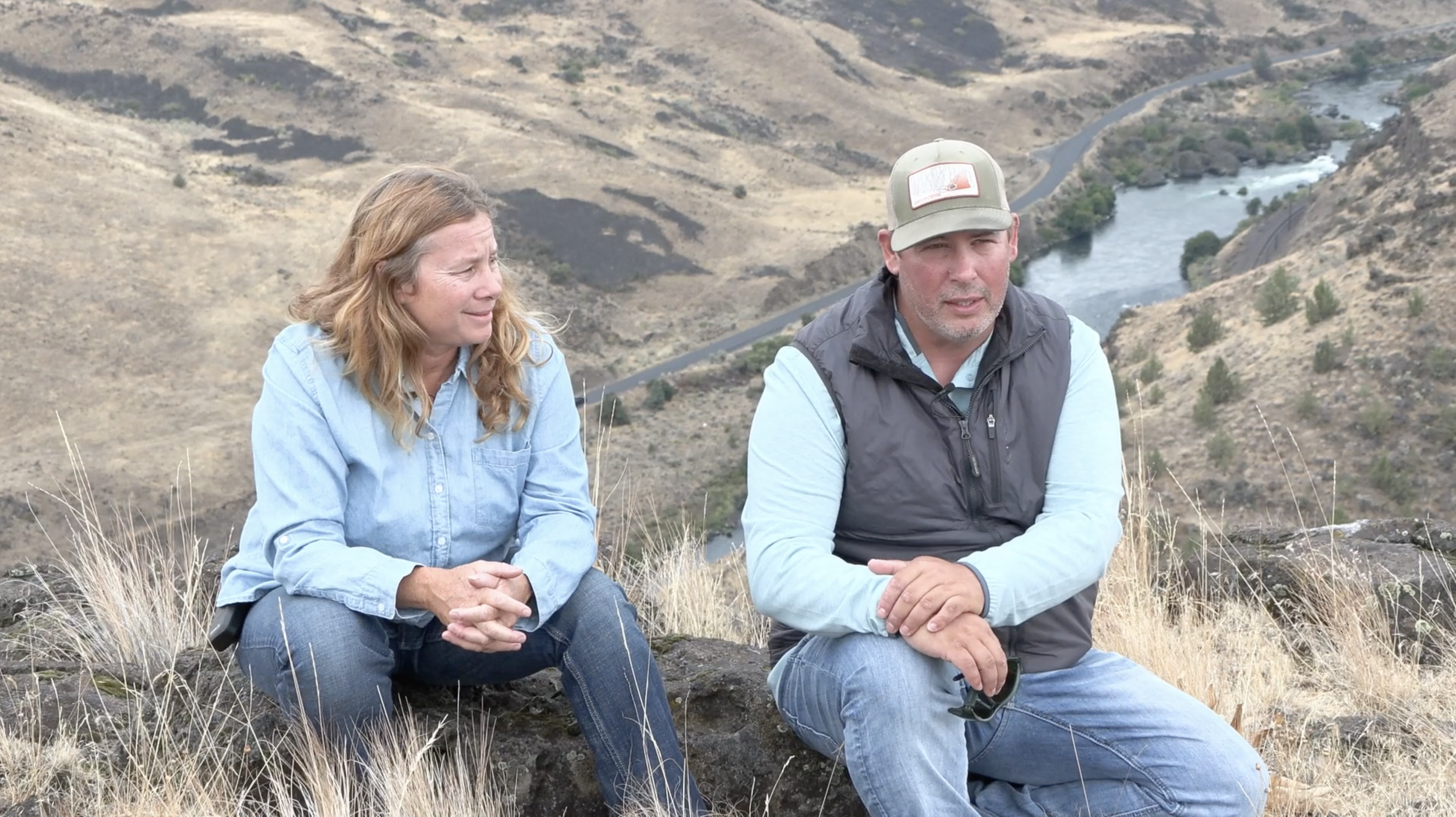
Mia and Marty Sheppard, at home on the river they love the most.
A Life Built Around the Deschutes
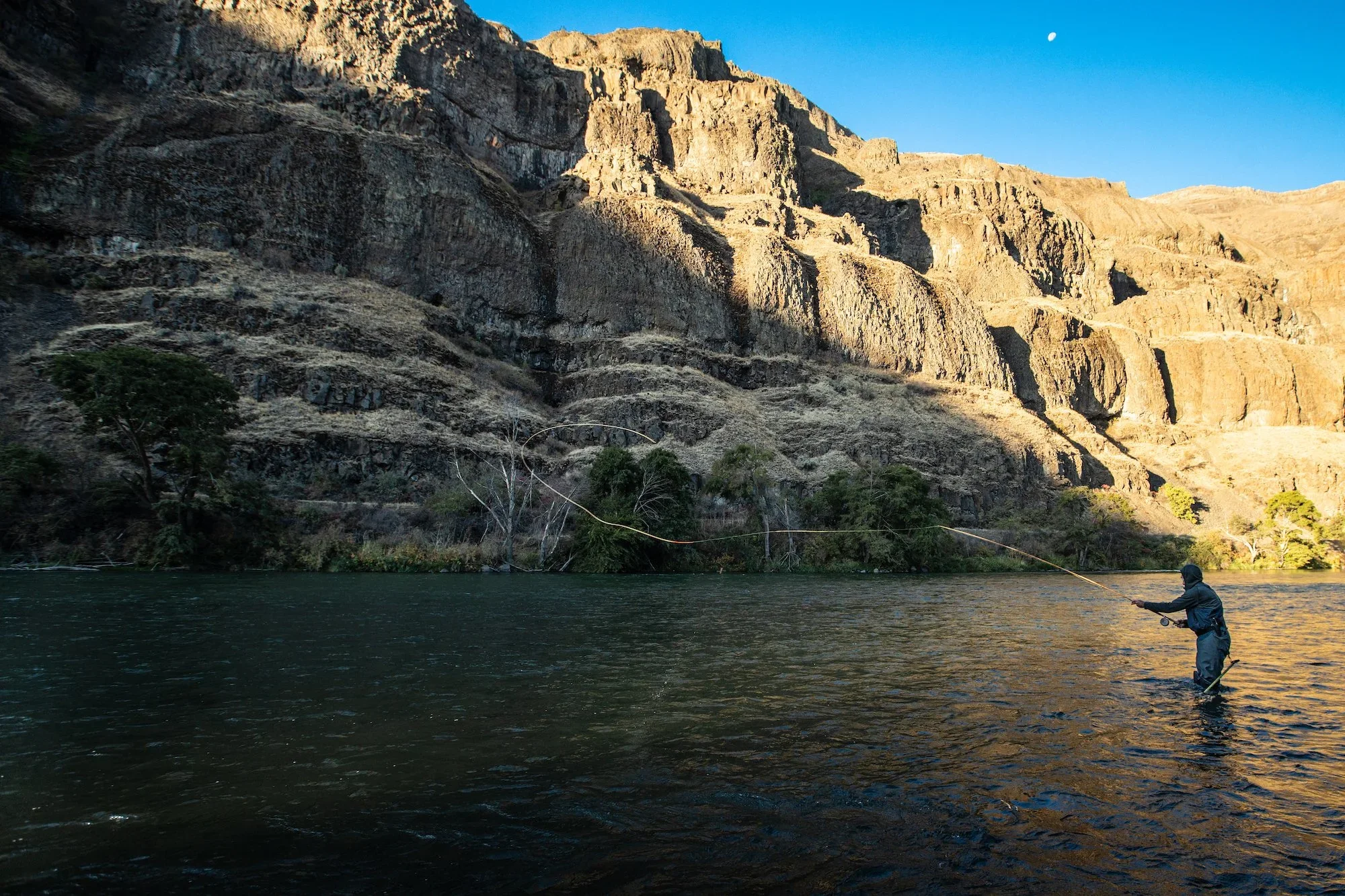
For 26 years, Mia and Marty Sheppard have owned Little Creek Outfitters, where they have guided fishing trips on the lower Deschutes River. The Deschutes is where Mia first learned to fly-fish in 1998. She fell in love with the river, the wide-open space, and the wild fish that she and Marty love to share with others. “Guiding is our livelihood,” says Mia, “and we are more than guides; on the water we are teachers, stewards, and educators.”
The Sheppards call Maupin home, and are the kind of people any small town Chamber of Commerce would love to recruit to settle down in their community. Seasonally, their business employs other guides. Their business and household support other businesses in Maupin. They own a home in town. Their daughter graduated from South Wasco High School last spring, and is starting college in the fall. But like all families, the endeavor to make ends meet has led to some decisions to diversify, especially as the impact of a 2021 steelhead closure hit the Deschutes. “In 2021, we were forced to seek work somewhere else, and ended up managing a bonefish lodge in The Bahamas,” says Mia. “It’s not a bad place to be, but I would rather be on the Deschutes.”
Hedging Bets on the Future of Deschutes Steelhead
While the return to their homewater was most welcome, the prospect of another bad season had opened their eyes to the possibility of other opportunities. The Kenai Peninsula in southeast Alaska harbors several fine steelhead streams, including the Kasilof, where the Sheppards recently bought a home, and have begun the arduous task of building a client base there. The plan for the near-term is to split time between there and Maupin. The long-term? On the Deschutes side of their business, much uncertainty remains.
Mia Sheppard points out that when steelhead fishing is poor, or the season cancelled, there’s an opportunity cost: anglers will go elsewhere, and if they find what they like on the Rogue, The Dean or the Kasilof, they are less likely to roll the dice on what might be another dismal Deschutes steelhead season. “The Deschutes steelhead closure and the potential closure of the John Day will jeopardize small businesses like ours and our rural communities,” says Mia. “Everyone who has made travel arrangements and booked hotels will cancel, and we have a daughter starting college this month and a mortgage to pay.”
As such, some of their clients that were slated to fish for steelhead with Little Creek Outfitters will still do just that during the Deschutes steelhead closure–but they’ll be on the Kasilof, not the Deschutes.
Ground Zero for Economic Fallout From the Closure
Maupin and the surrounding community is ground zero for the fallout from this season’s steelhead closure. But the economic penalty of a cancelled season reverberates throughout the region.
The DRA conducted an informal survey of a dozen businesses in The Dalles, Maupin and Bend, all with varying degrees of dependence on a healthy Deschutes River steelhead season. The inquiry revealed that steelhead-related income accounts for one-third to over half of these enterprises' annual revenue.
According to an Earth Economics/ODFW study, Wasco, Sherman, Jefferson and Deschutes Counties’ annual fishing-related revenue adds up to over $40 million. While there’s no accurate way to arrive at a precise figure for the portion of this revenue stream that derives from steelhead, it’s safe to say that especially in places like Maupin, it’s a vital necessity. Jordan Belozer leads the Maupin Chamber of Commerce. "Our local businesses rely on steelhead fisherman to keep their doors open in the fall,” says Belozer. “This closure will affect more than outfitters; it means that our restaurants, stores, lodging, and shuttle companies will also suffer. Since the closure was announced, we’ve fielded the concerns of many locals, who use their earnings from the summer and fall seasons to support their families for the entire year. When considering both the wildfires and steelhead closure this year, the health of Maupin’s economy in 2026 is a major concern, and could have a lasting impact on our community."
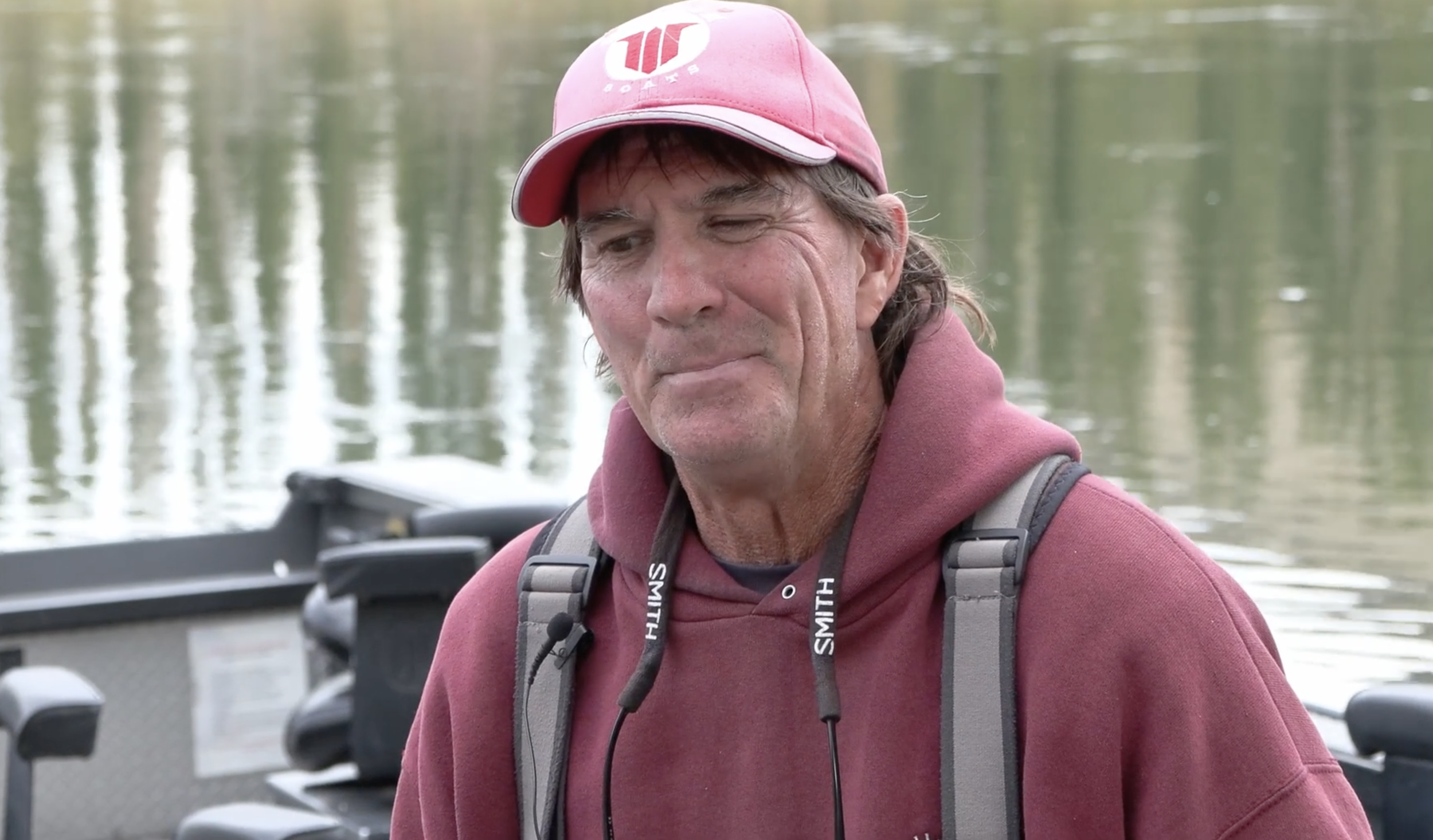
The Deschutes Angler, owned and operated by John and Amy Hazel, has been an anchor of Maupin’s economy for years. Two steelhead closures in the last five years, along with a general decline in the number of steelhead over the past decade, has precipitated staff cuts. “Steelhead fishing is for us over 50% of our entire business in a year,” says John. “ We're worried that it's not coming back, because for us, that's where the real money is. Two thousand dollar fly-rods, thousand dollar reels, guide services booked two, three, four years in advance. That's gone [for this year.] I want the opportunity to present a chance to the customers that still will do business with Deschutes Angler. But we can't lose fifty percent of our business year after year. What do you do when you take one of the few multi-million dollar businesses out of Maupin? We employ 3 people now, but five years ago it was seven. Five years before that it was 13. Are you seeing where we're heading?"
The Draw of Maupin
A stroll through Maupin’s main street reflects some of the Hazels concerns about the future. A few empty retail spaces tell the tale of the vagaries of running a business venture that relies on seasonal visitors. The fishing economy affects everything here. In a small town nestled in the heart of a desert river, where winter is a quiet time, every job matters.
Mark Roper owns Maupin Country Store and Hardware. His business too will take a hit as the steelhead season closes. “It’s nothing like what some of the guides and the fly shop are dealing with, but we do sell some fishing tackle,” says Roper. What concerns him more than his own business is the well-being of his customers. “I had a conversation with one of the guides who came into my store. He said he’s looking at losing 20-30 thousand dollars with the closure.”
The concern over the long haul is that younger people, those who might stay in Maupin, maybe raise a family here as the Sheppards have, will no longer see Maupin as a land of opportunity. The opportunity cost applies not only to anglers that have the means to fish elsewhere, but to guides and others who see a brighter future on other rivers.
“Maupin needs draws,” says Roper. “We don’t have many draws, but steelhead is definitely one of them.”
More From The Blog
Subscribe the the DRA Newsletter
The Deschutes River Alliance is your focused voice to protect the lower Deschutes River, its cold water flows and the fish and wildlife that are sustained by them. We send regular emails with important data and news about the lower Deschutes River. We will not sell your contact information to others.
How to Support the DRA
Everyone wants clean, healthy water in the Deschutes River. Oregonians cherish our clean and healthy waterways to provide drinking water, wildlife habitat and recreational activities. The lower Deschutes River is a federally designated Wild & Scenic River, and a national treasure. It must be protected for the environmental and economic health of Central Oregon. By working together we can return the lower Deschutes River to full health.