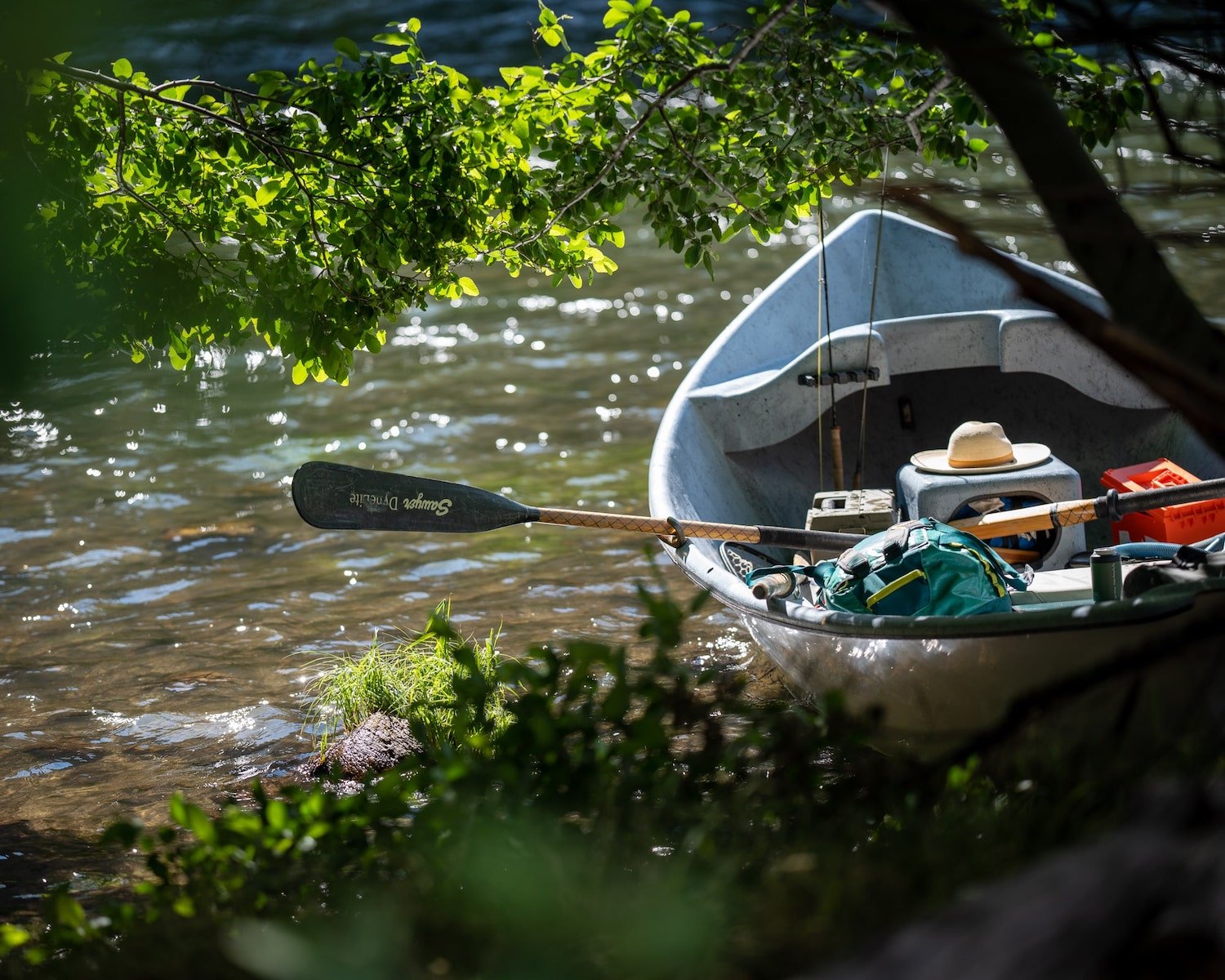
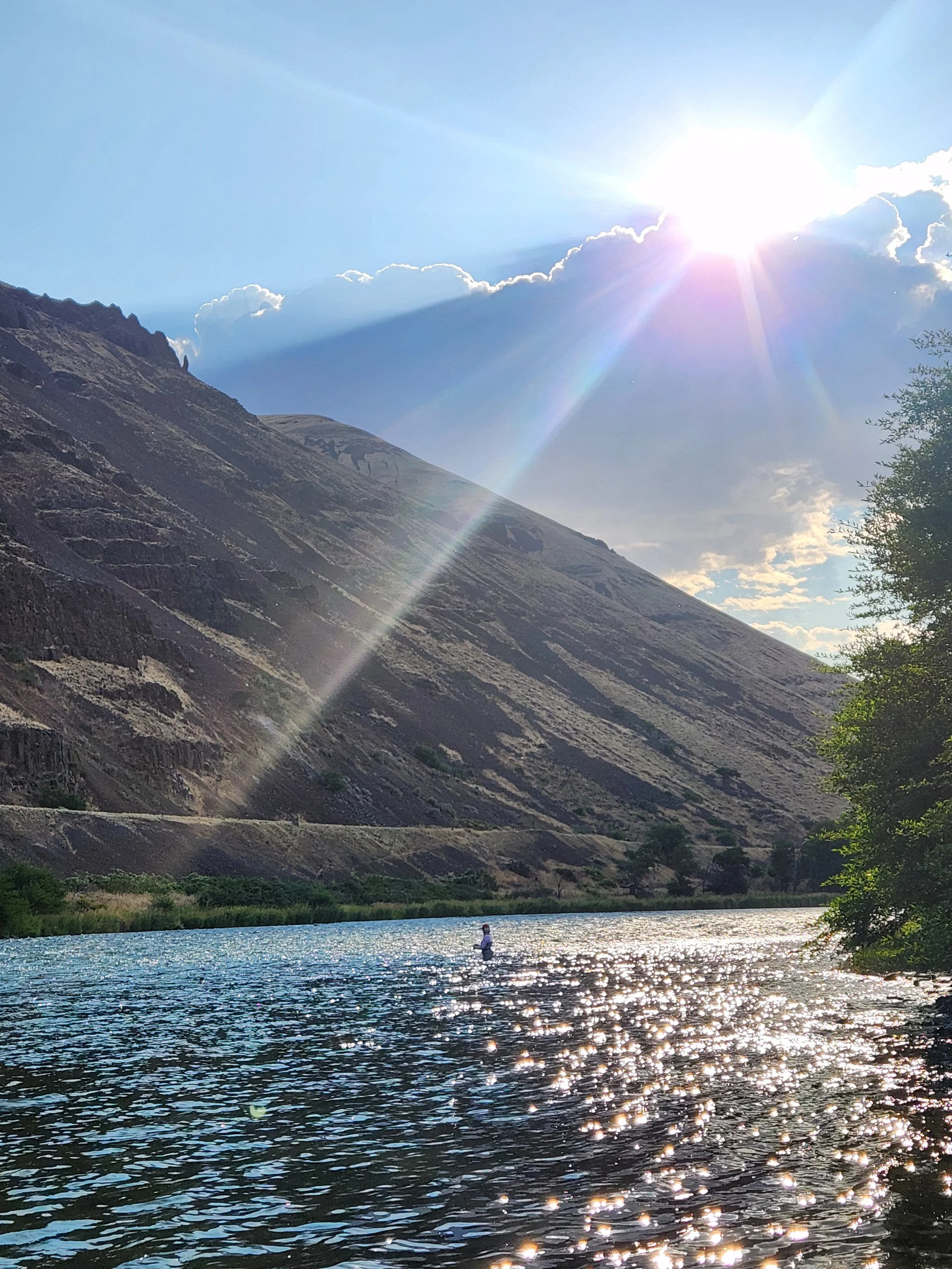
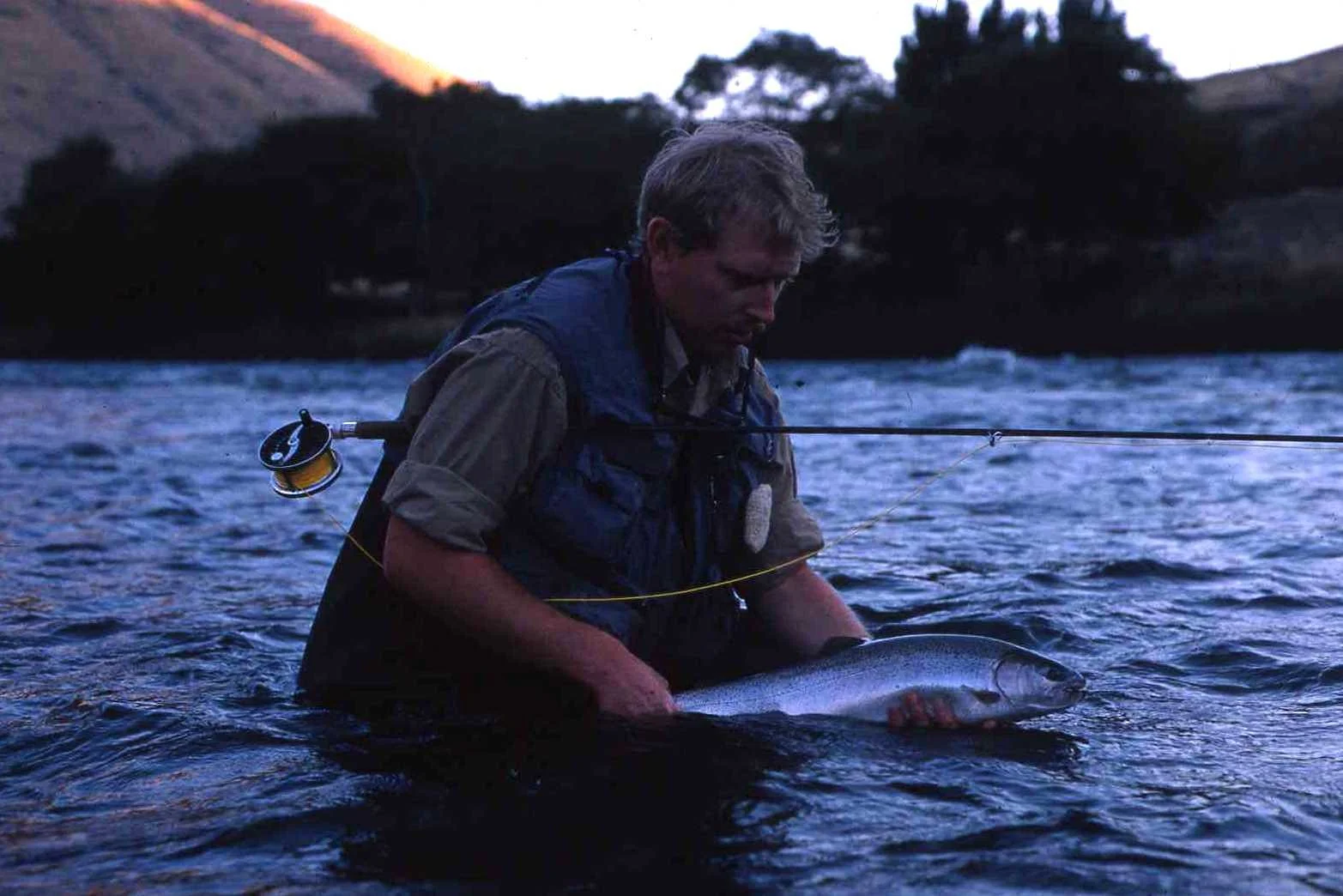
The Deschutes will always be beautiful, but will there always be steelhead? Photo courtesy of Peter Field.
Will There Be a 2027 Steelhead Season?
ODFW Mid-Columbia District Biologist Jason Seals recently sat down with the DRA to discuss to future of steelhead on the lower Deschutes River. This is the last of a three-part series with him.
DRA: According to what's laid out in the 2025 Deschutes Steelhead Framework, does it look like next season will start open for steelhead or closed? What's the latest trap count at Sherar's?
Jason Seals (JS): Yes, the 2027-28 run year and steelhead fishery season will open starting in June, and we will monitor passage of wild steelhead at Bonneville Dam starting on July 1, as per the Framework.
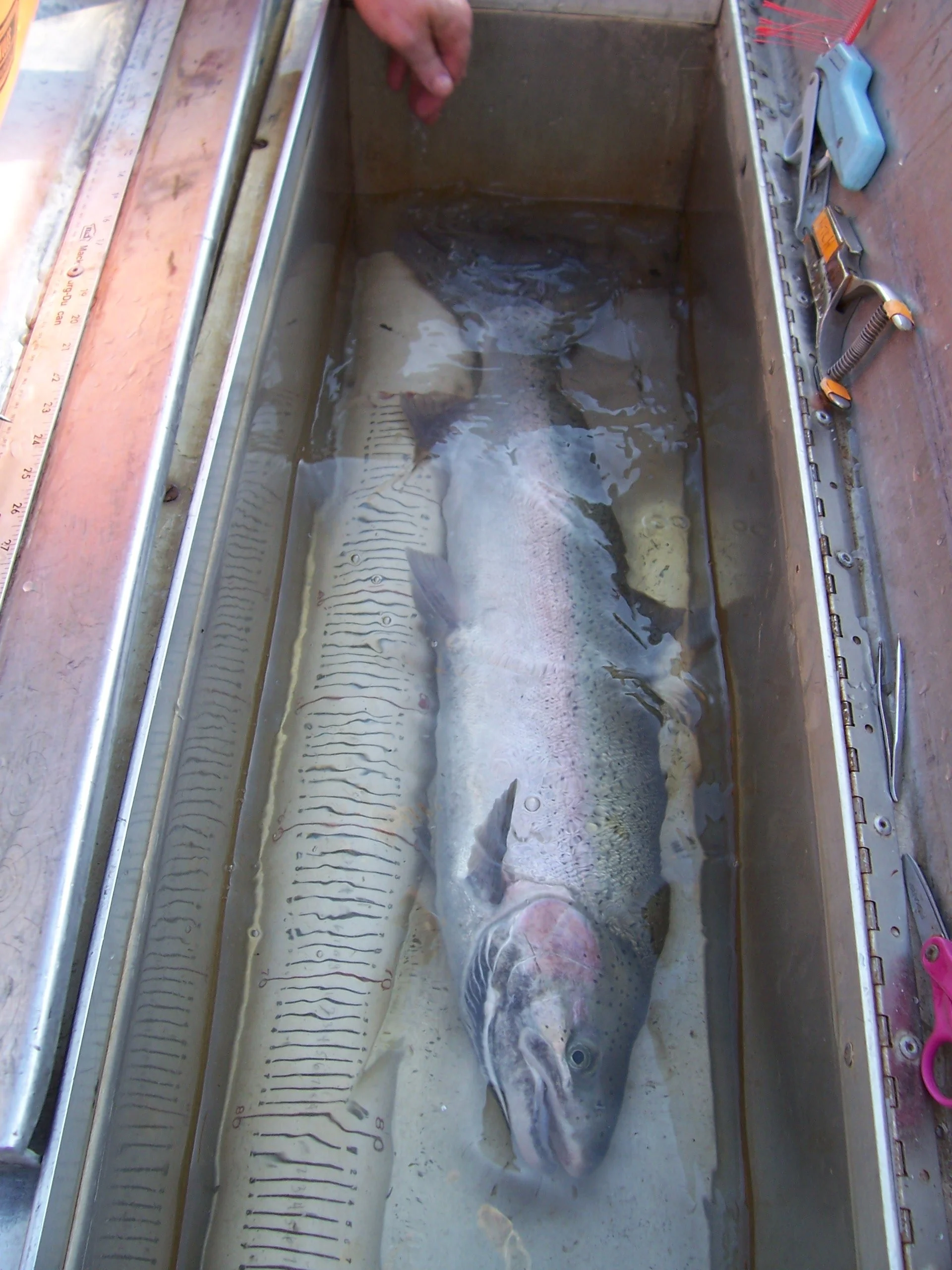
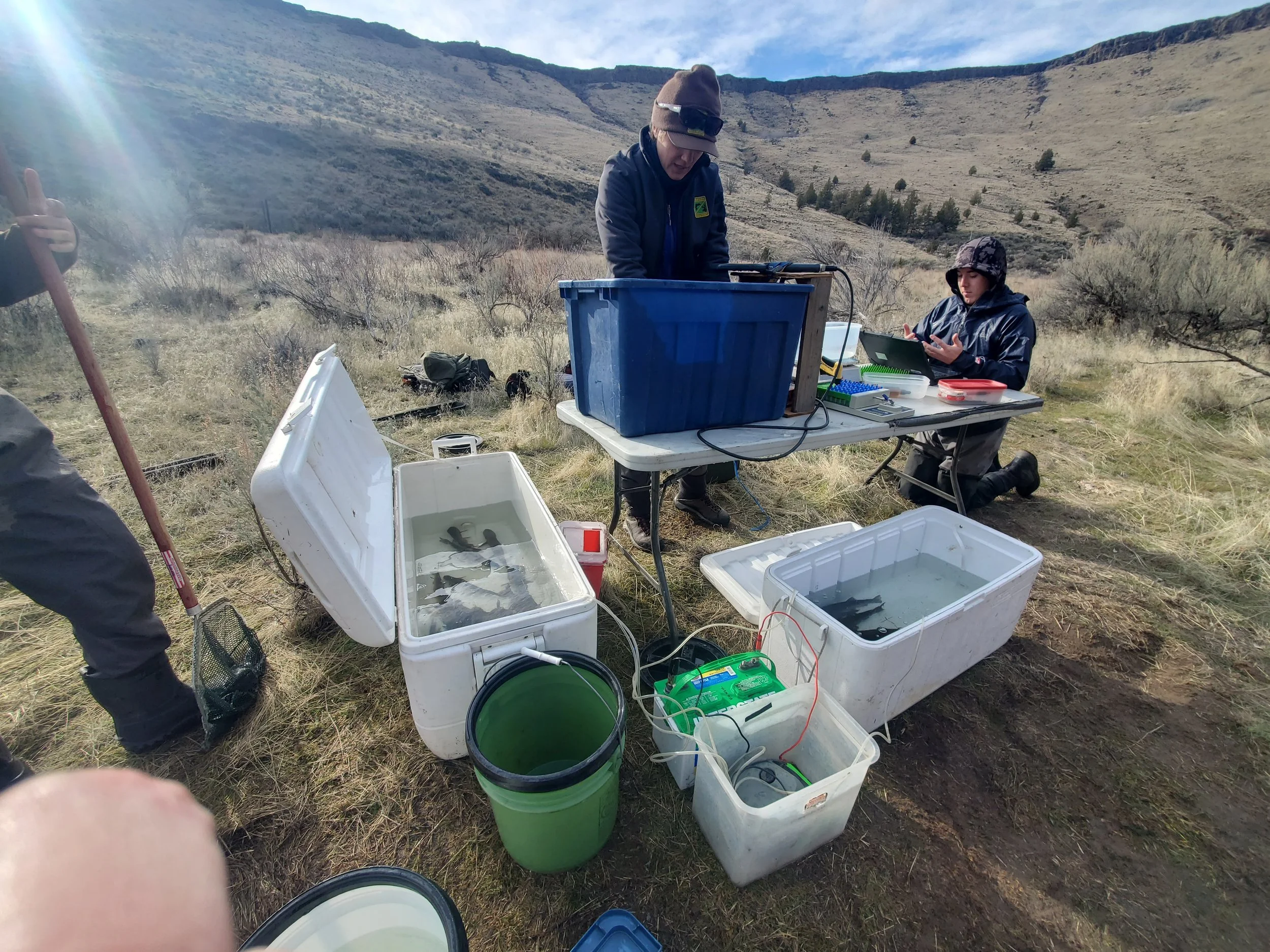
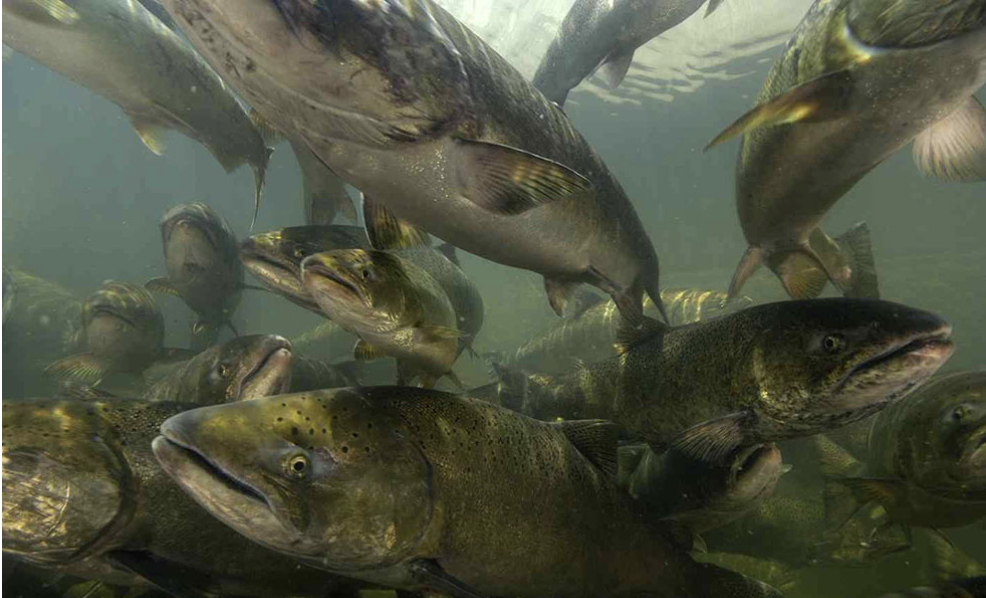
As of October 19, we have only captured and tagged 34 wild steelhead at Sherar’s Falls since the start of the trapping season on July 1. It’s important to note, the goal of our trapping is to get a subsample of the run passing Sherars so that we can develop our abundance estimates. Typically, we capture about 8-12% of the run estimate. We will continue to operate the trap until November 1, but there is a good chance it will be the lowest trap catch of wild steelhead since 1977, which is similar to Bonneville Dam which has 2026 as the lowest count of summer steelhead since the dam was constructed in 1938.
By the Numbers: A Precarious Outlook
DRA: Does ODFW have any estimates on how these closures affect wild steelhead numbers in the years following?
JS: The fishery closures are triggered by critically low steelhead returns and are intended to maximize steelhead spawner escapement to make the most of existing freshwater and ocean conditions. It’s very difficult to quantify fishery impact reduction in the Deschutes closure because there are unknown rates of temporary out of basin wild steelhead present in the Deschutes steelhead fishery. Anglers in the lower Deschutes catch a large volume of wild steelhead, many of which are temporary strays from Columbia and Snake River basins. We typically estimate 3,000 to 7,000 caught and released wild steelhead annually in the lower 40 miles of the fishery, which does not include fish released from the fishery upstream of Sherars later in the fall because we are not able to monitor that fishery. Last year in 2025, we estimated 5,300 wild steelhead were caught and released by anglers in the lower 40 miles of the Deschutes from July to the end of October. Thus, without knowing stock proportions within the fishery, it’s not possible to know how many Deschutes wild steelhead are being impacted annually. Obviously during a closure, impacts are negligible, due to very few fish captured by anglers which is important to help keep spawner abundance in these stocks above Critical Abundance Thresholds. Maintaining abundance above the Critical Abundance Threshold creates the ability for steelhead populations to rebound when ocean and freshwater conditions improve.
On the Heels of a Hatchery Dilemma
DRA: What are some of the most persistent misconceptions around the closure?
There seems to be a misconception by some anglers that catch and release of steelhead by fly-fishing does not have impacts. The reality is that all angler types have some level of impact on steelhead from catch and release. A few studies in various regions have been conducted to estimate mortality rates from catch and release of steelhead by various angler types including fly-fishing. As an example, a study on the Bulkley River (Twardek et al. 2018), had a 3-day post capture mortality rate of 4.5%, with 71% of the total steelhead captured in the study was by fly-angling. Mortality on caught and released steelhead generally ranges from 2.5-10%, depending on the hooking location, air exposure, water temperature, and other stressors. Mandatory catch and release of wild steelhead is a great conservation measure during periods of ‘normal’ abundance, but even the small catch and release impacts are too risky during years with record low abundance.
Another common misconception of steelhead closures, whether in the Deschutes or region-wide, is the assumption that releasing more hatchery steelhead smolts will lead to more angling opportunity. Throughout the Columbia River basin upstream from Bonneville, fishery agencies release about 10,939,000 steelhead smolts annually. For the 2026 return year; only ~50,000 of those survived to return as adults to Bonneville Dam. At an operational level, there generally isn’t additional rearing space (water) nor funding to produce more hatchery steelhead. At a biological level, more hatchery steelhead smolts may not result in more hatchery steelhead adults given the very low survival rate of these releases and gains to fisheries from additional releases (if possible) would be small. Furthermore, regardless of how many hatchery steelhead are returning to the Columbia Basin, if wild steelhead stocks are returning at critically low returns, fishery restrictions (including on hatchery fish) will be necessary to protect those wild stocks. Finally, releasing more hatchery steelhead smolts may also have negative effects on wild steelhead wherever or whenever density-dependent limitations, exacerbated by changing environmental conditions, are occurring in the Deschutes, mainstem Columbia, Columbia estuary and nearshore ocean, and offshore ocean feeding grounds.
Many anglers have been critical of ODFW keeping other fisheries open (Columbia Fall Chinook, Deschutes Fall Chinook at Sherars, Deschutes Trout) and providing opportunity for anglers while the Deschutes and John Day steelhead fisheries are closed. Our data show that these fisheries catch very few steelhead as incidental bycatch. For example, the Fall Chinook fishery at Sherars was estimated to catch and release 33 wild steelhead during the 2021 steelhead closure. In 2026, through October 15, fall Chinook and coho sport anglers at Sherars Falls have caught and released an estimated 5 wild and 14 hatchery steelhead. Thus, allowing these fisheries supports other opportunities for anglers and helps support regional communities where steelhead closures have occurred, while having negligible impacts on steelhead.
More From The Blog
Subscribe the the DRA Newsletter
The Deschutes River Alliance is your focused voice to protect the lower Deschutes River, its cold water flows and the fish and wildlife that are sustained by them. We send regular emails with important data and news about the lower Deschutes River. We will not sell your contact information to others.
How to Support the DRA
Everyone wants clean, healthy water in the Deschutes River. Oregonians cherish our clean and healthy waterways to provide drinking water, wildlife habitat and recreational activities. The lower Deschutes River is a federally designated Wild & Scenic River, and a national treasure. It must be protected for the environmental and economic health of Central Oregon. By working together we can return the lower Deschutes River to full health.