2025 Macroinvertebrate Report Summary
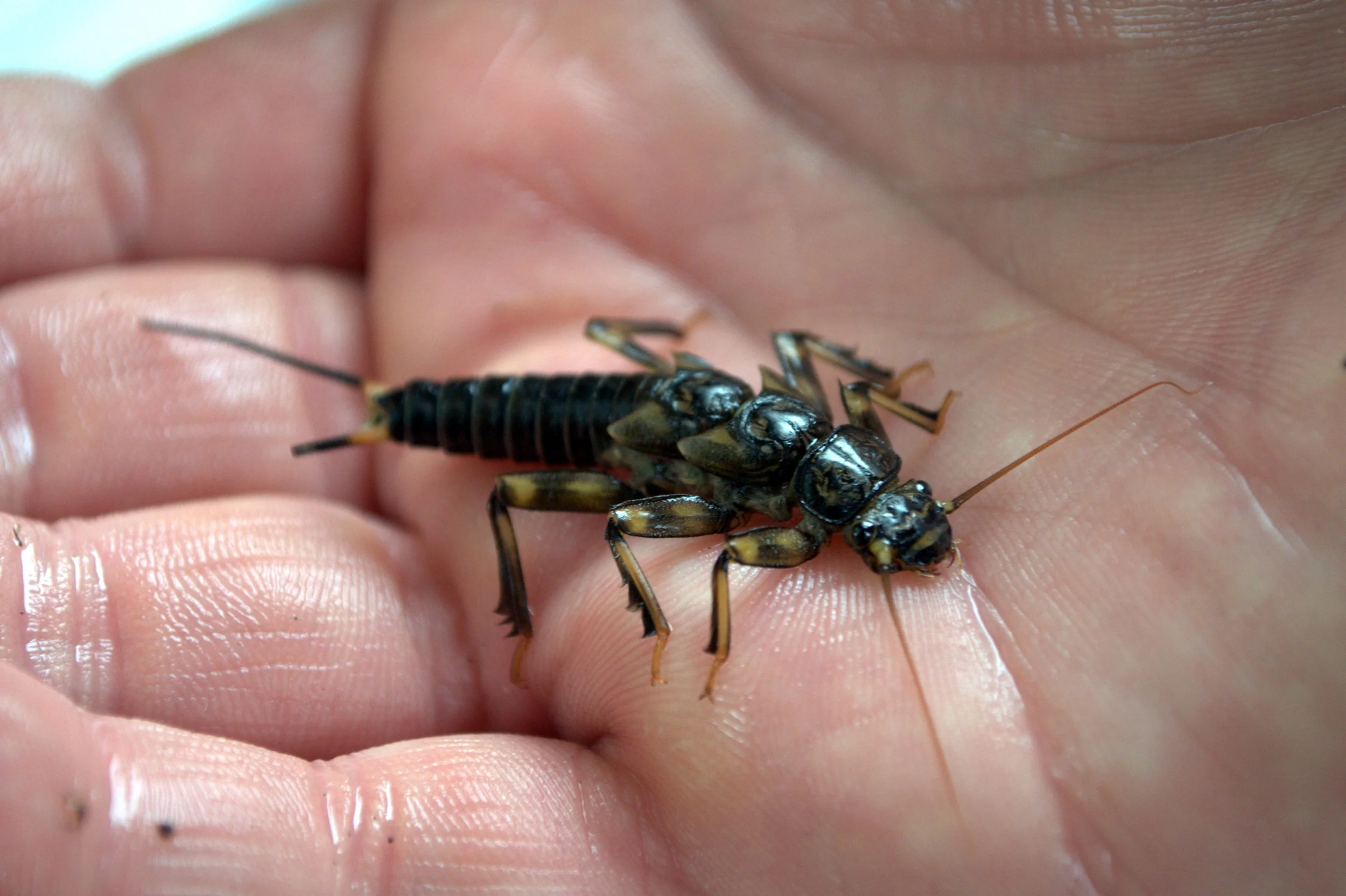
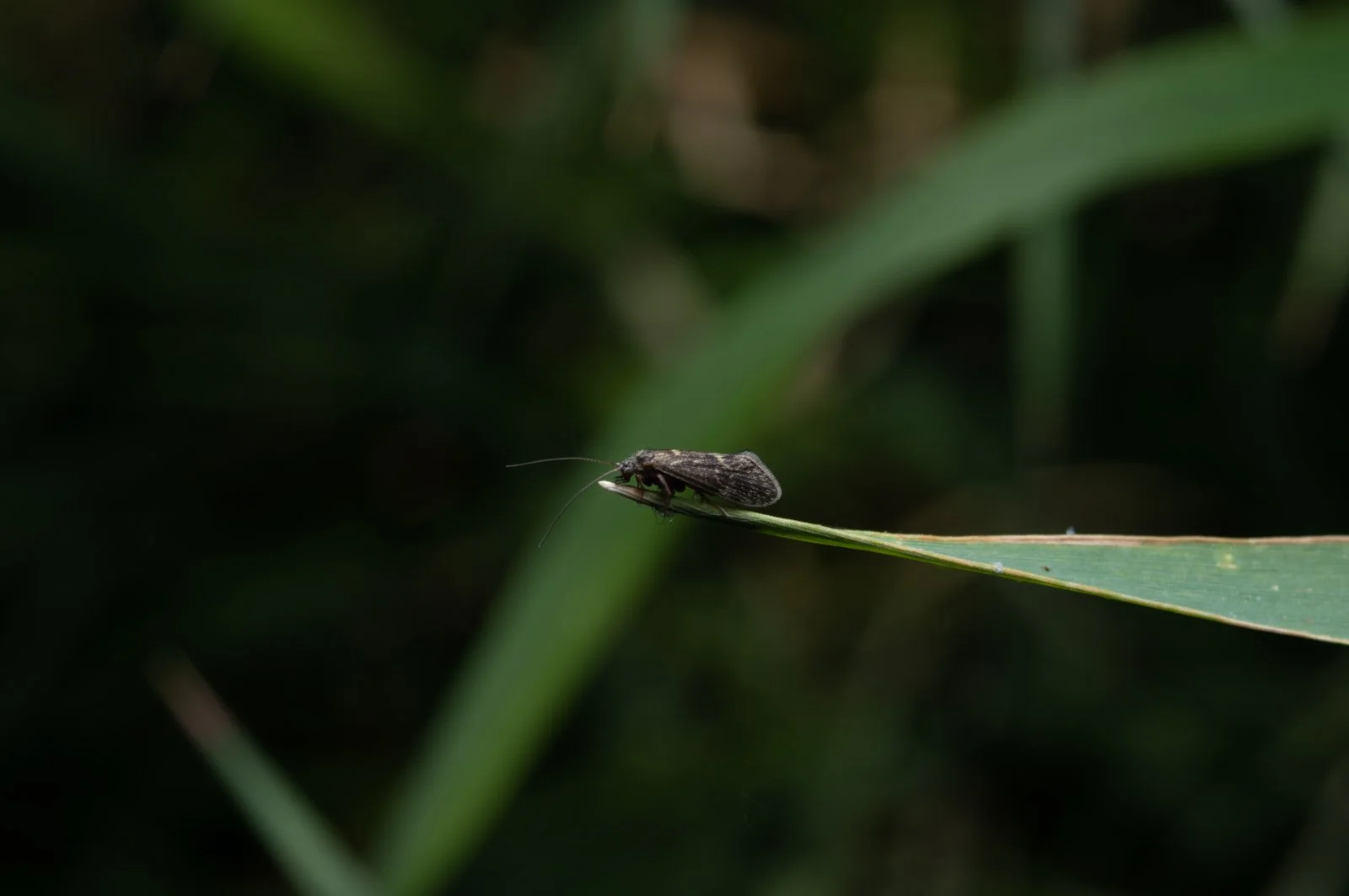
Nymph portrait: stone flies help keep Deschutes fish fat and healthy. How are they doing? Check out the DRA’s 2025 macroinvertebrate report to find out.
The Foundation of the River’s Food Web
By Hannah Camel, DRA Science Program Lead
The Deschutes River Alliance is excited to announce the release of our 2025 Benthic Macroinvertebrate Report, continuing more than a decade of biological monitoring on the lower Deschutes River. Since 2015, DRA has monitored the aquatic insects and other small organisms that live along the riverbed to better understand the ecological condition of the river and how its biological communities are changing over time.
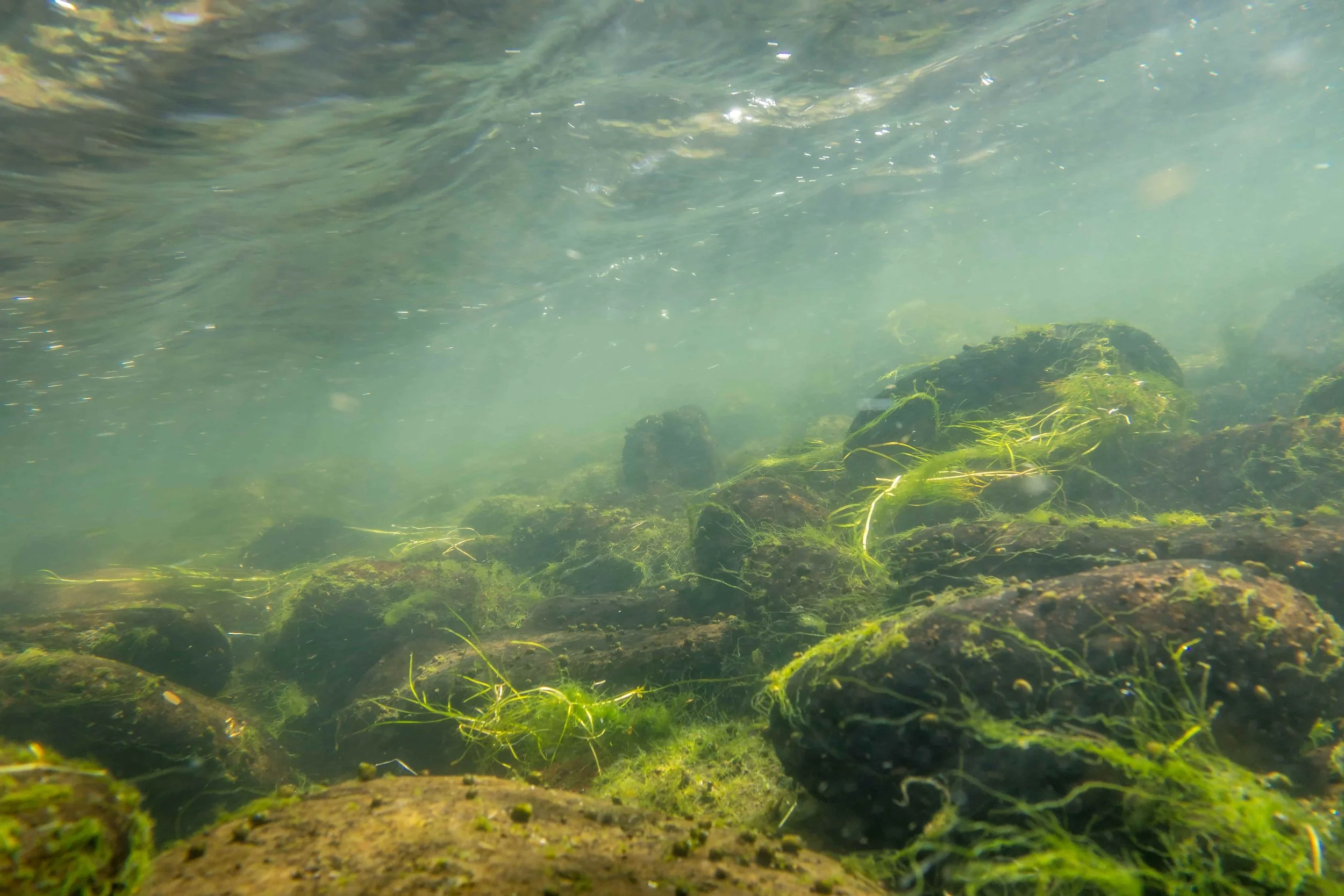
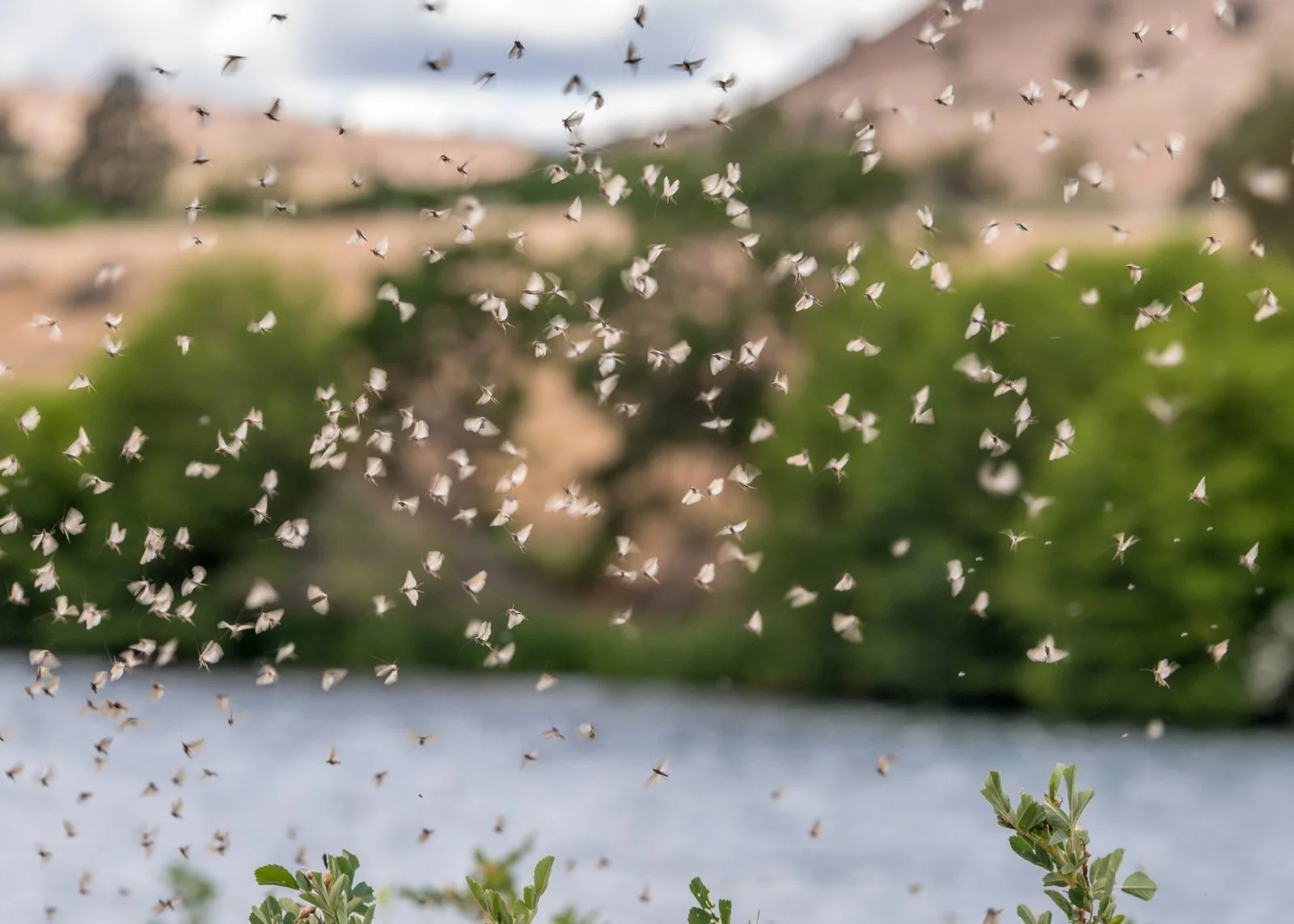
Benthic macroinvertebrates, including mayflies, stoneflies, caddisflies, midges, snails, and aquatic worms, are an important part of the lower Deschutes ecosystem. They form the foundation of the river’s food web, provide an essential food source for trout and other fish, and include many of the insects behind the hatches that make the Deschutes famous among anglers. Just as importantly, different macroinvertebrate species respond differently to changes in water quality and habitat. By tracking which organisms are present, how abundant they are, and how the community changes from year to year, upstream to downstream, we gain a window into the biological health of the river.
Key Findings from the 2025 Monitoring Season
In 2025, DRA sampled four monitoring sites along the lower Deschutes River: Warm Springs, Kaskela, Maupin, and Rattlesnake Campground. We evaluated several measures of biological condition, including the types of organisms present, their abundance, taxa richness, and overall community composition. We also took a closer look at several taxa of particular ecological interest, including the relatively sensitive crane fly Antocha sp., golden stonefly (Hesperoperla pacifica), and salmonfly (Pteronarcys californica), as well as the pollution-tolerant polychaete worm Manayunkia speciosa, the intermediate host of the fish parasite Ceratonova shasta.
While the report includes results from the 2025 monitoring season, it also brings together DRA data collected since 2015 and compares recent observations with historical monitoring conducted before operation of the Selective Water Withdrawal Tower. Several important patterns emerged:
Biological condition improves downstream. One of the clearest findings was a strong difference between upstream and downstream macroinvertebrate communities. Multiple measures, including the Multimetric Index (MMI), EPT relative abundance, total taxa richness, and EPT richness, generally indicated lower biological condition at Warm Springs and progressively improved condition farther downstream. Kaskela represented a transition between the upstream and downstream communities, while Maupin and Rattlesnake Campground generally supported more diverse macroinvertebrate assemblages.
High abundance does not necessarily mean a healthy river. Some of the highest macroinvertebrate densities occurred at upstream sites, but these communities were often dominated by more pollution-tolerant non-insect taxa, including snails and aquatic worms. Downstream sites generally supported a greater diversity and representation of aquatic insects. This highlights why understanding which organisms are present can tell us more about river health than simply counting how many bugs are there.
Several sensitive and iconic insects remain less abundant than during historical monitoring. Comparisons with pre-tower monitoring found significantly lower abundance of golden stoneflies, salmonflies, and Antocha in particular river reaches or seasons. The differences were especially pronounced during spring sampling. These insects are not only important components of the river ecosystem and food web, but salmonflies and golden stoneflies also produce some of the lower Deschutes River’s best-known hatches.
Manayunkia speciosa remains an important taxon to watch. This small polychaete worm occurred at particularly high densities at upstream monitoring sites and generally became less abundant downstream. Its abundance is noteworthy because M. speciosa serves as the obligate intermediate host of Ceratonova shasta, a parasite capable of causing mortality in juvenile salmon. Continued monitoring of this worm provides an important connection between changes in the benthic community and potential risks to salmonids.
Looking Ahead
Benthic macroinvertebrates give us a unique window into the health of the lower Deschutes River. Because these organisms spend much or all of their lives in the river and respond differently to changes in water quality and habitat, long-term monitoring can reveal ecological patterns that may not be apparent from water quality measurements alone.
The 2025 results reinforce the importance of looking beyond any single species or metric when evaluating river health. By continuing to track changes in biological condition, community composition, sensitive species, and pollution-tolerant taxa, we can better understand how the lower Deschutes is changing over time and identify areas where further investigation is needed.
The DRA remains committed to continuing this long-term monitoring and sharing what we learn with anglers, river users, resource managers, and everyone who cares about the lower Deschutes. The full 2025 Benthic Macroinvertebrate Report is now available on the Deschutes River Alliance website. We encourage you to read the report for a deeper look at the data, long-term trends, and what the bugs are telling us about the health of the lower Deschutes River. The full version of the report will be available on the DRA website next week.
More From The Blog
Subscribe the the DRA Newsletter
The Deschutes River Alliance is your focused voice to protect the lower Deschutes River, its cold water flows and the fish and wildlife that are sustained by them. We send regular emails with important data and news about the lower Deschutes River. We will not sell your contact information to others.
How to Support the DRA
Everyone wants clean, healthy water in the Deschutes River. Oregonians cherish our clean and healthy waterways to provide drinking water, wildlife habitat and recreational activities. The lower Deschutes River is a federally designated Wild & Scenic River, and a national treasure. It must be protected for the environmental and economic health of Central Oregon. By working together we can return the lower Deschutes River to full health.