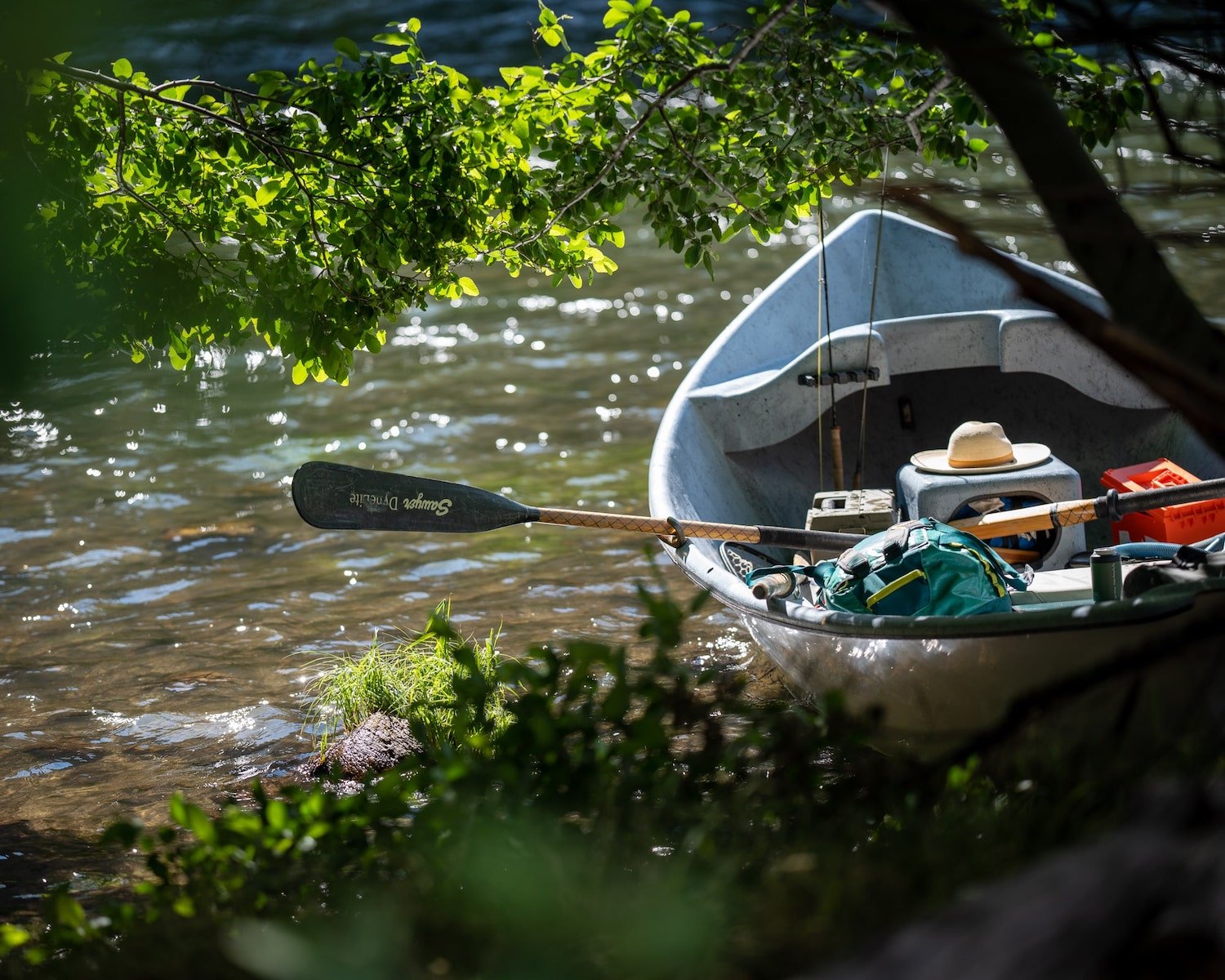

Miss the State of the LDR show last night? Watch it on YouTube. See link below.
Selective Water Withdrawal-derived water quality troubles persist
The science team at the Deschutes River Alliance has delivered a scintillating status report on the state of the lower Deschutes River. The 75 minute-long presentation is worth every minute of viewing, and you can watch it here: https://youtu.be/kxamZiLP8dA.
The highlights:
SWW Tower operations intentionally warm the lower Deschutes River during critical spawning, incubation and early rearing periods for resident trout, bull trout, and steelhead.
Relative to pre-SWW Tower operations, the cooling during the fall caused by the current operations is disproportionate to the warming that occurs during the rest of the year.
Excess nutrients in surface water released from Lake Billy Chinook continues to be the primary contributor to the declining health of the lower Deschutes River and is largely influenced by high nitrogen inputs from the Crooked River.
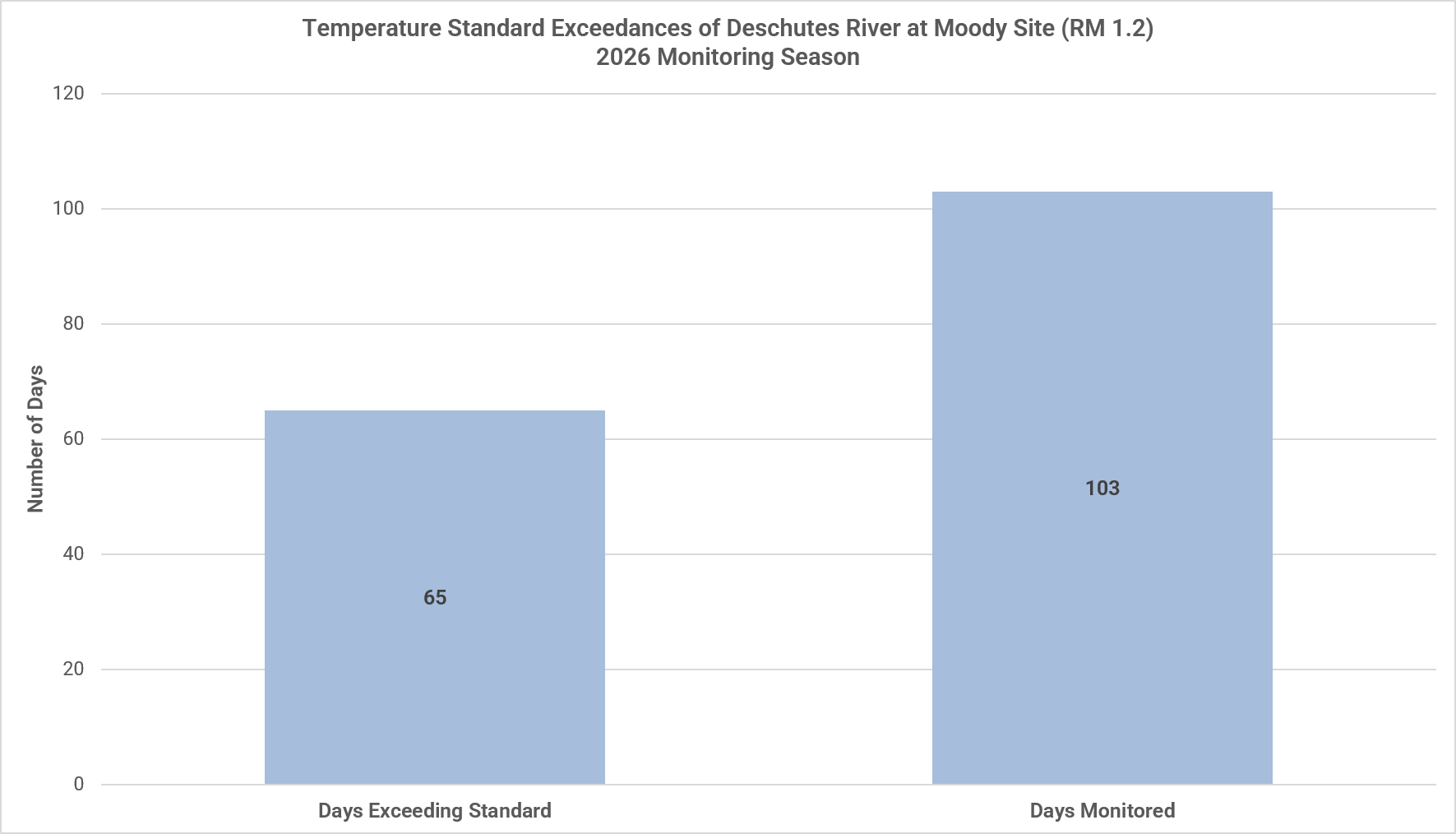
High pH levels continued to exceed Oregon water quality standards throughout the monitoring period in 2024 but showed an immediate improvement with increased bottom-draw.
Increasing bottom draw from the SWW Tower is the most effective, immediate, and straightforward solution to addressing the challenges facing the lower Deschutes River now, and in the decades ahead.
Tower Myths, Imperiled fish
DRA Water Quality Coordinator Hannah Camel delivered a cogent, concise exegesis on water quality issues stemming from the Selective Water Withdrawal Tower. She was followed by Rick Hafele, who deftly dispatched some of the myths about the SWW. Bringing it home was Steve Pribyl, who discussed the risks to fish populations due to the Tower-derived decline in water quality.
For anyone curious about what’s really happening to the lower Deschutes, our experts have delivered an annual exam that should leave you well-informed and eager to enlist in the DRA’s campaign to bring cooler, cleaner water back to the river.
text
More From The Blog
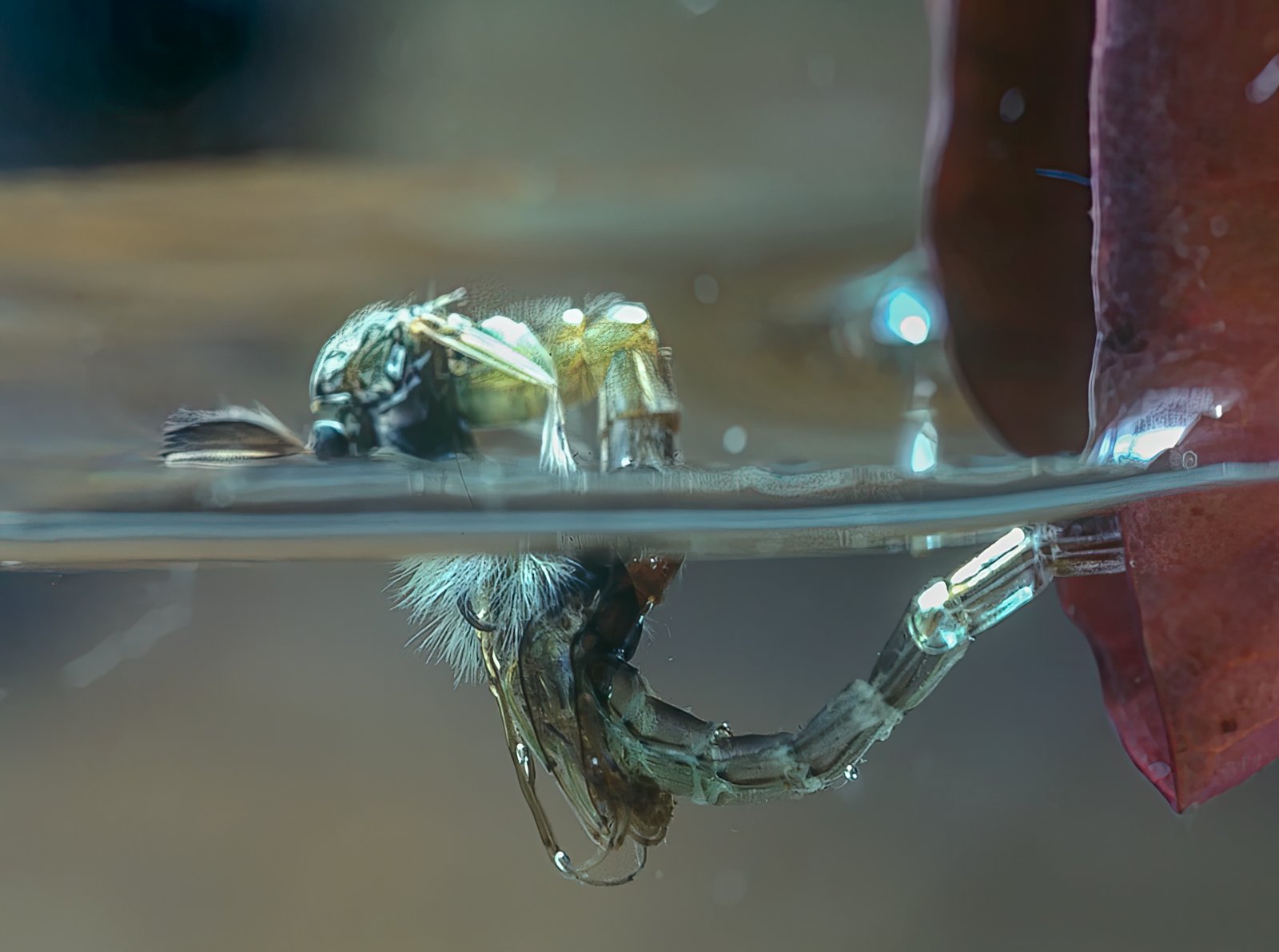
“So, the next time the fishing slows down and nothing seems to be working, don't overlook the smallest bugs in your fly box. Sometimes, the tiniest flies can make the biggest difference.”
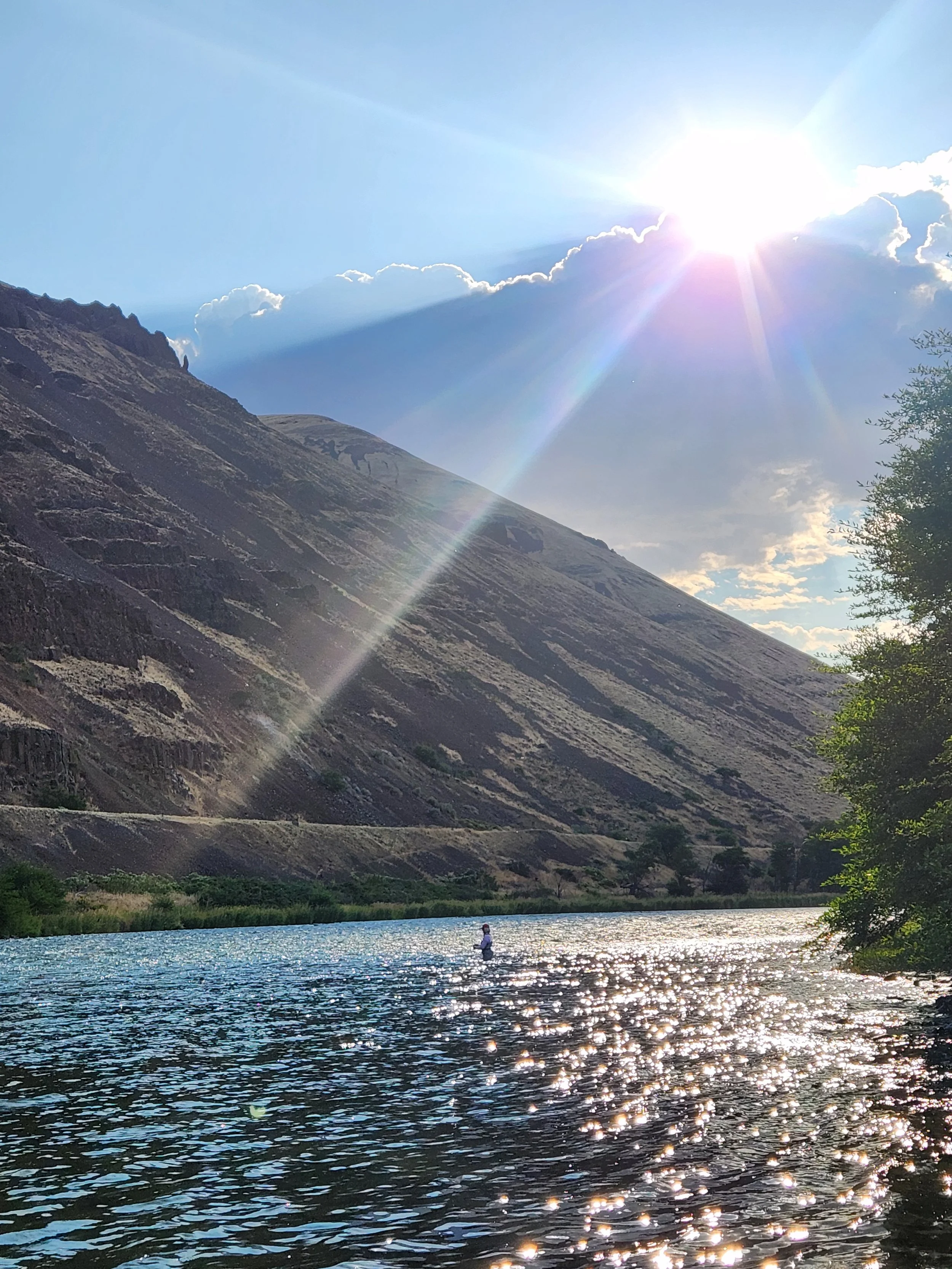
“We will continue to operate the trap until November 1, but there is a good chance it will be the lowest trap catch of wild steelhead since 1977, which is similar to Bonneville Dam which has 2026 as the lowest count of summer steelhead since the dam was constructed in 1938.”
ODFW Mid-Columbia District Biologist Jason Seals, on the grim outlook at the Sherar’s Falls trap.
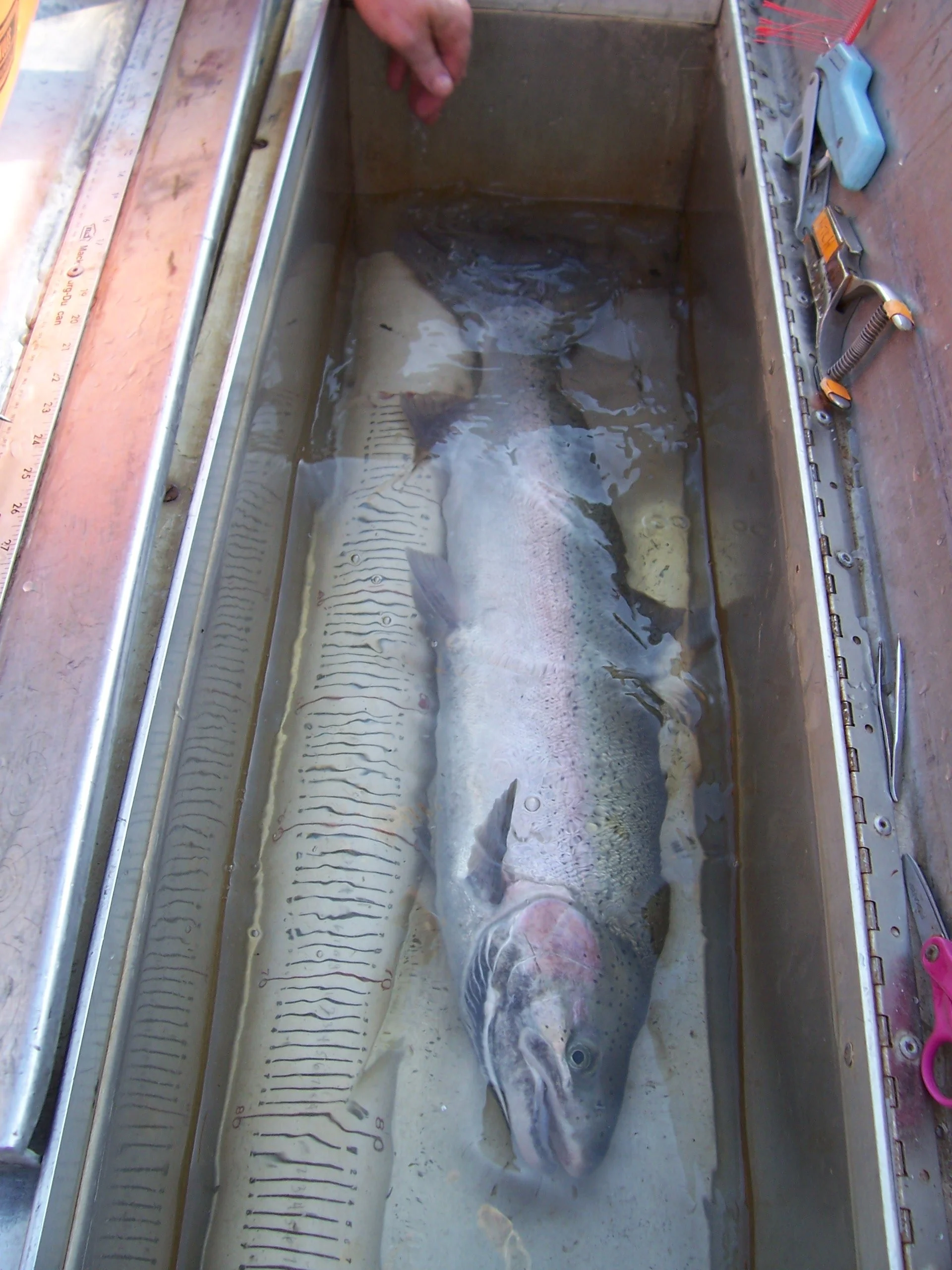
“However possible, support national, regional, and international policies, actions, and programs that work to minimize ocean warming, ocean acidification, and ocean trophic ecology impacts. Support fish passage initiatives throughout the Columbia River basin. Steelhead need broad and volitional access through the Columbia-Snake River mainstem and tributaries to be able to disperse and adjust to variable environmental conditions.”
ODFW’s Jason Seals on what anglers can do to recover steelhead.
“Out of basin stray adult hatchery steelhead have been great for angler success in the Lower Deschutes for the last 30 years. However, these hatchery stray steelhead pose real risk to the reproductive success of wild steelhead in the Deschutes through loss of hereditary adaptations.”
-ODFW’s Jason Seals
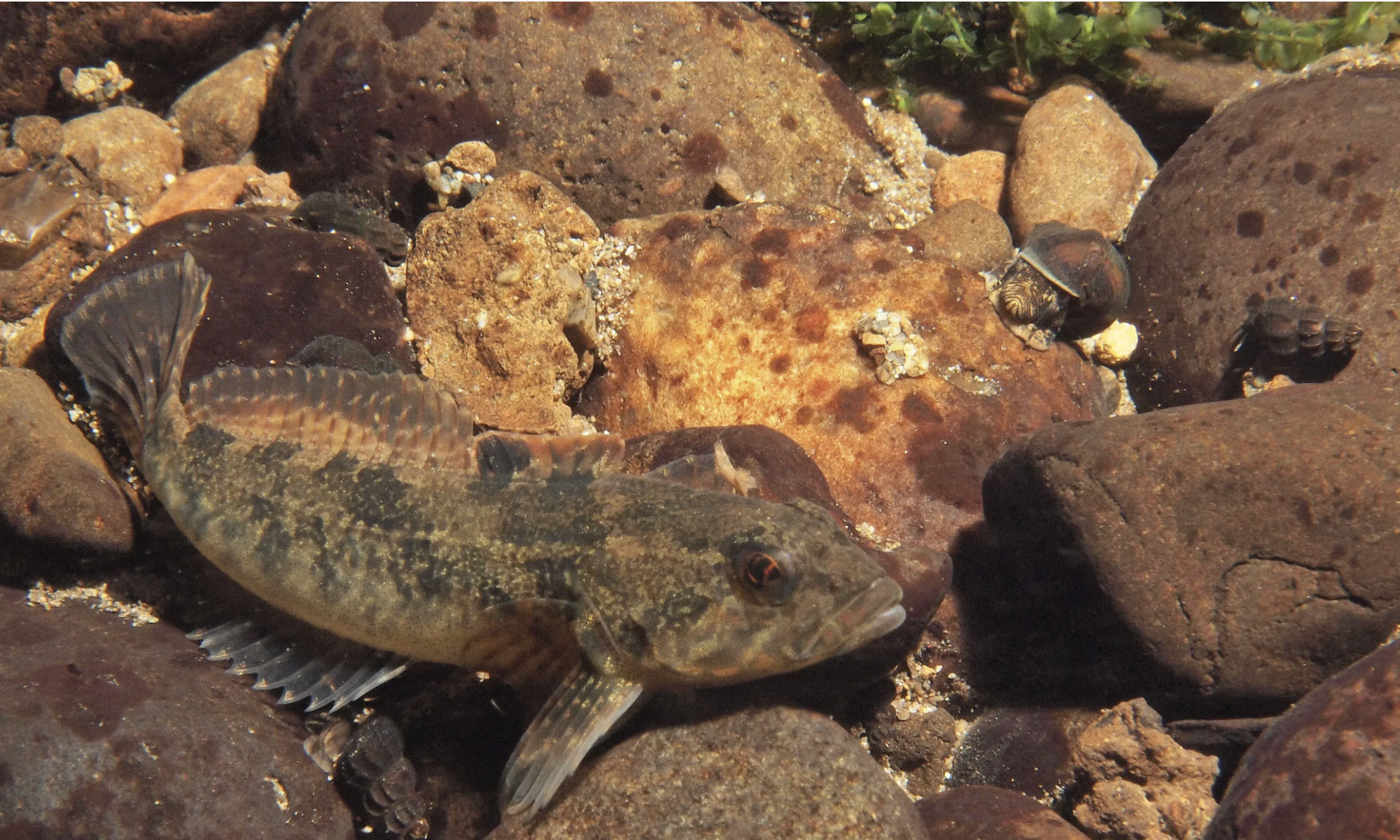
The lower Deschutes is also home to an equally rich and diverse group of less visible and famous residents and the subject of this installment. Most of these residents go unseen by the average fisherman.
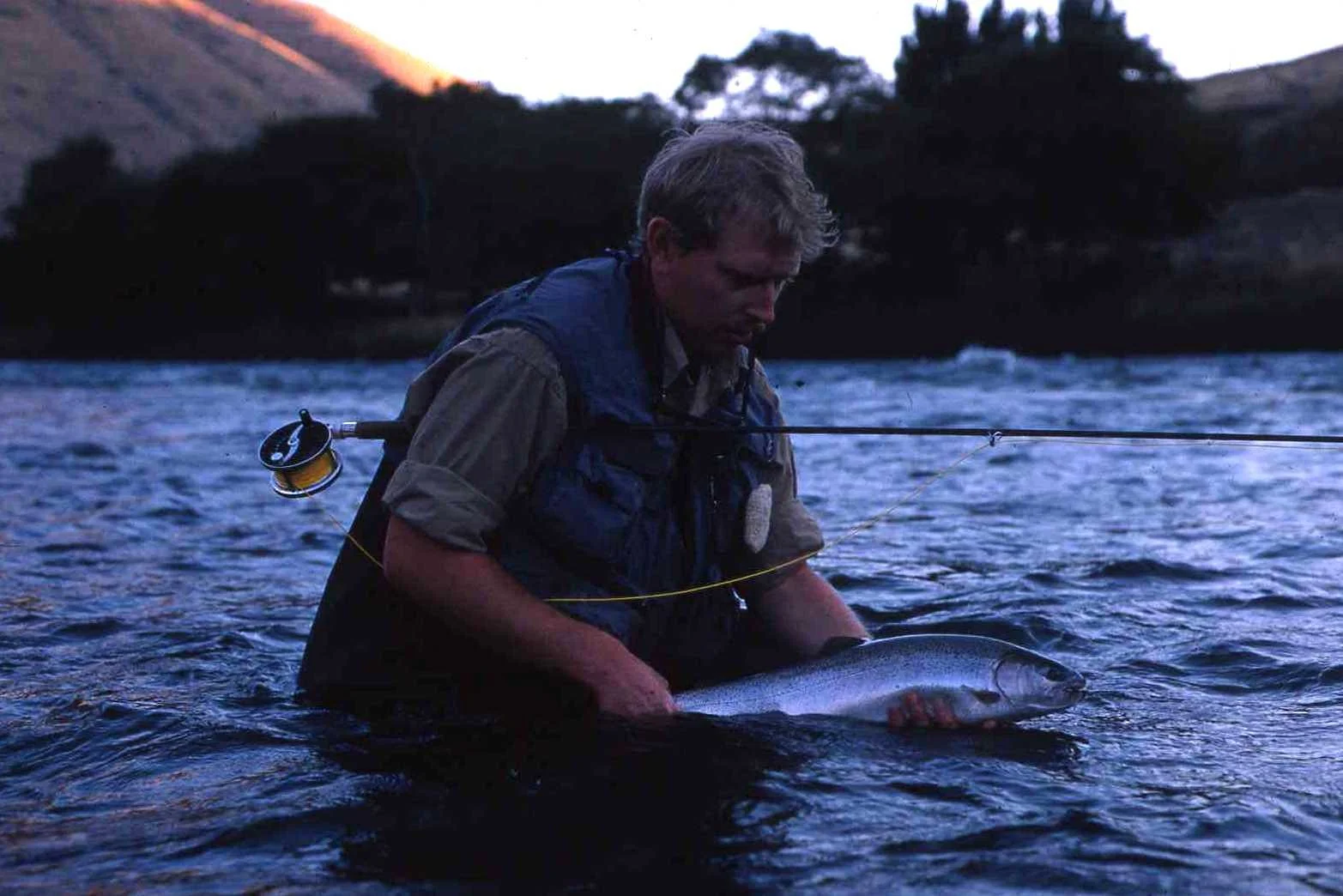
The consistent element in mid-Columbia steelhead management protocols is that all wild steelhead must be released. But is that enough?
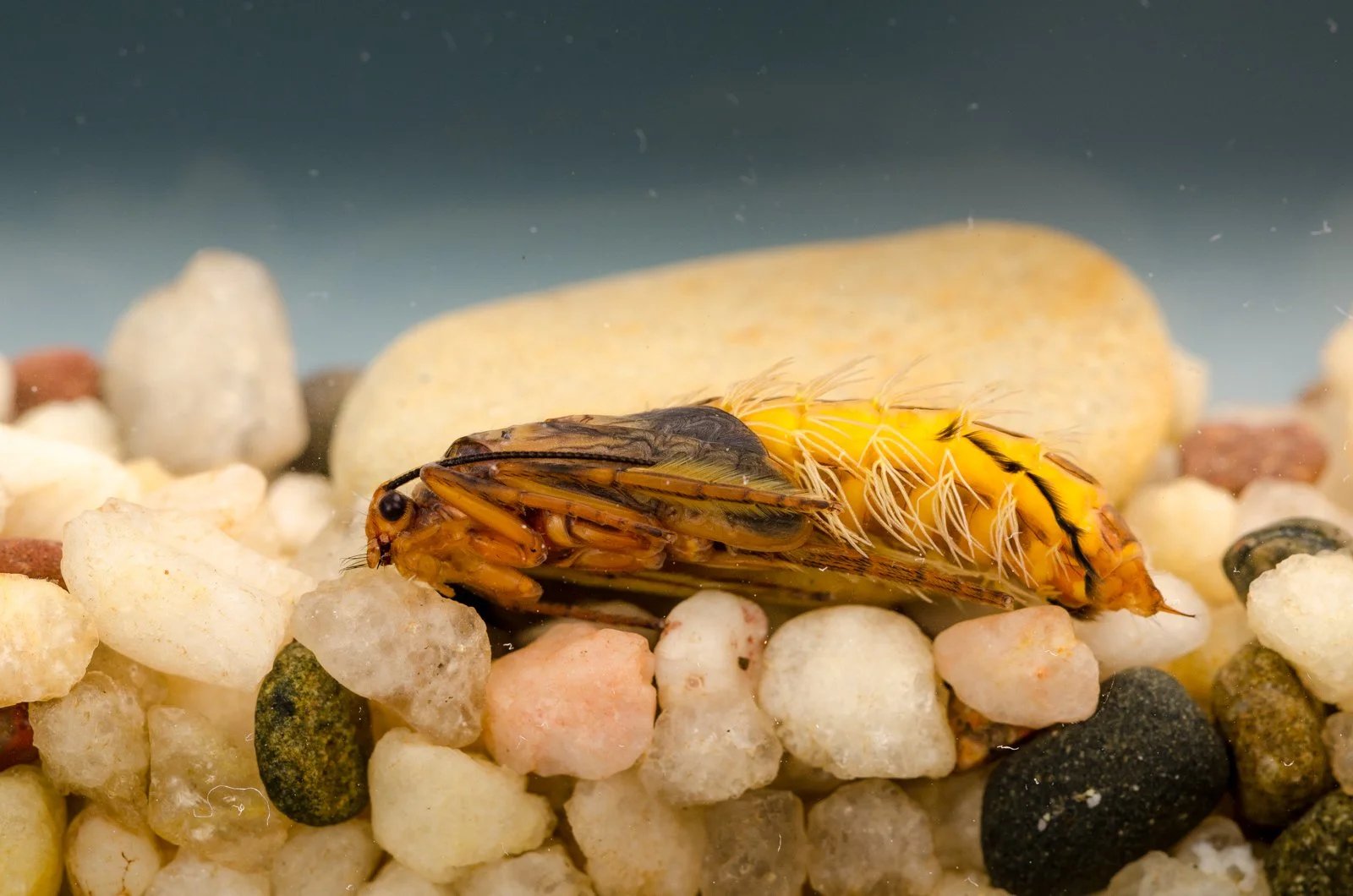
True to its name, this large and unmistakable caddisfly makes its appearance as autumn takes hold, adding a splash of orange to the river just as the leaves begin to do the same.
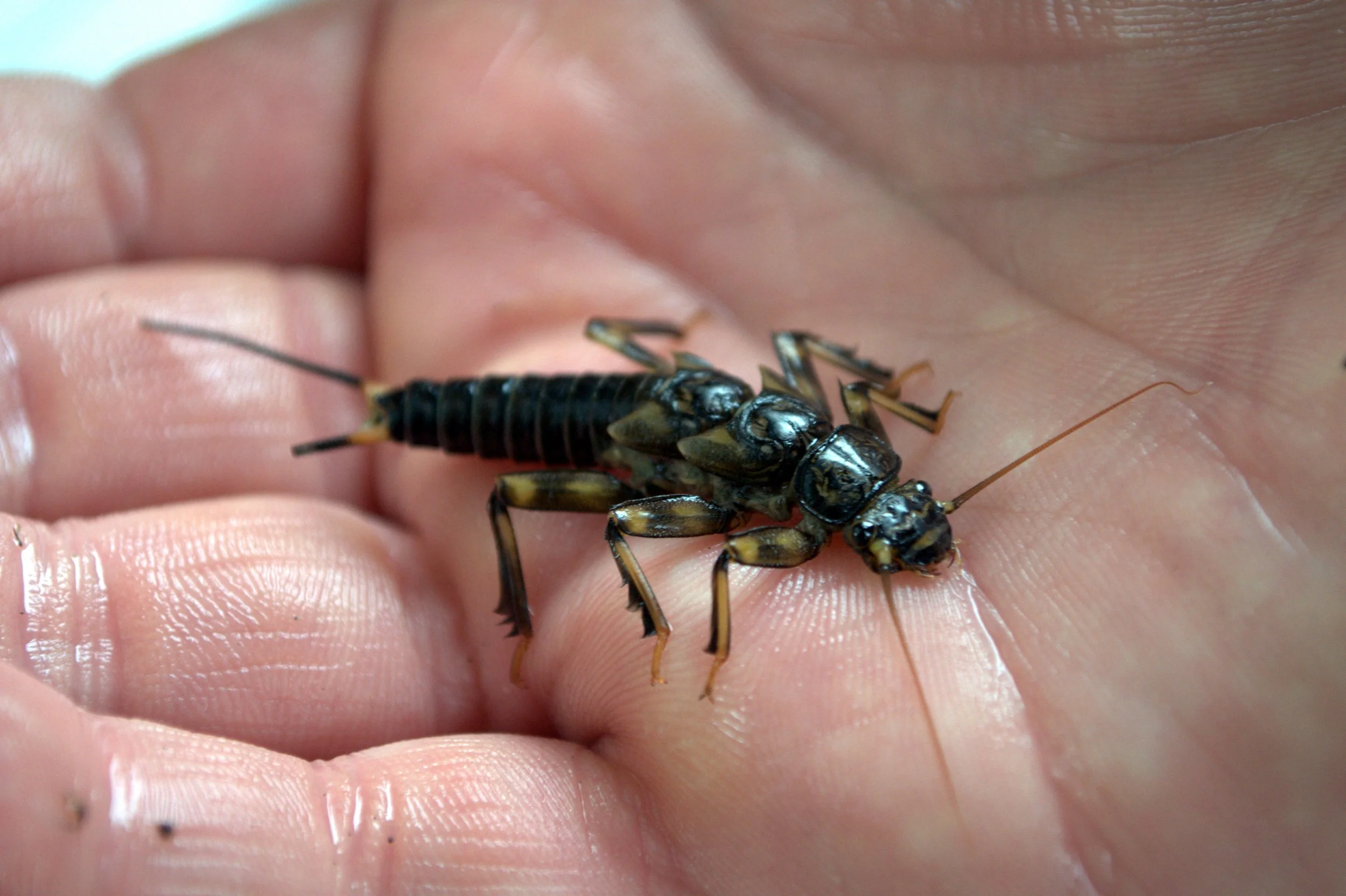
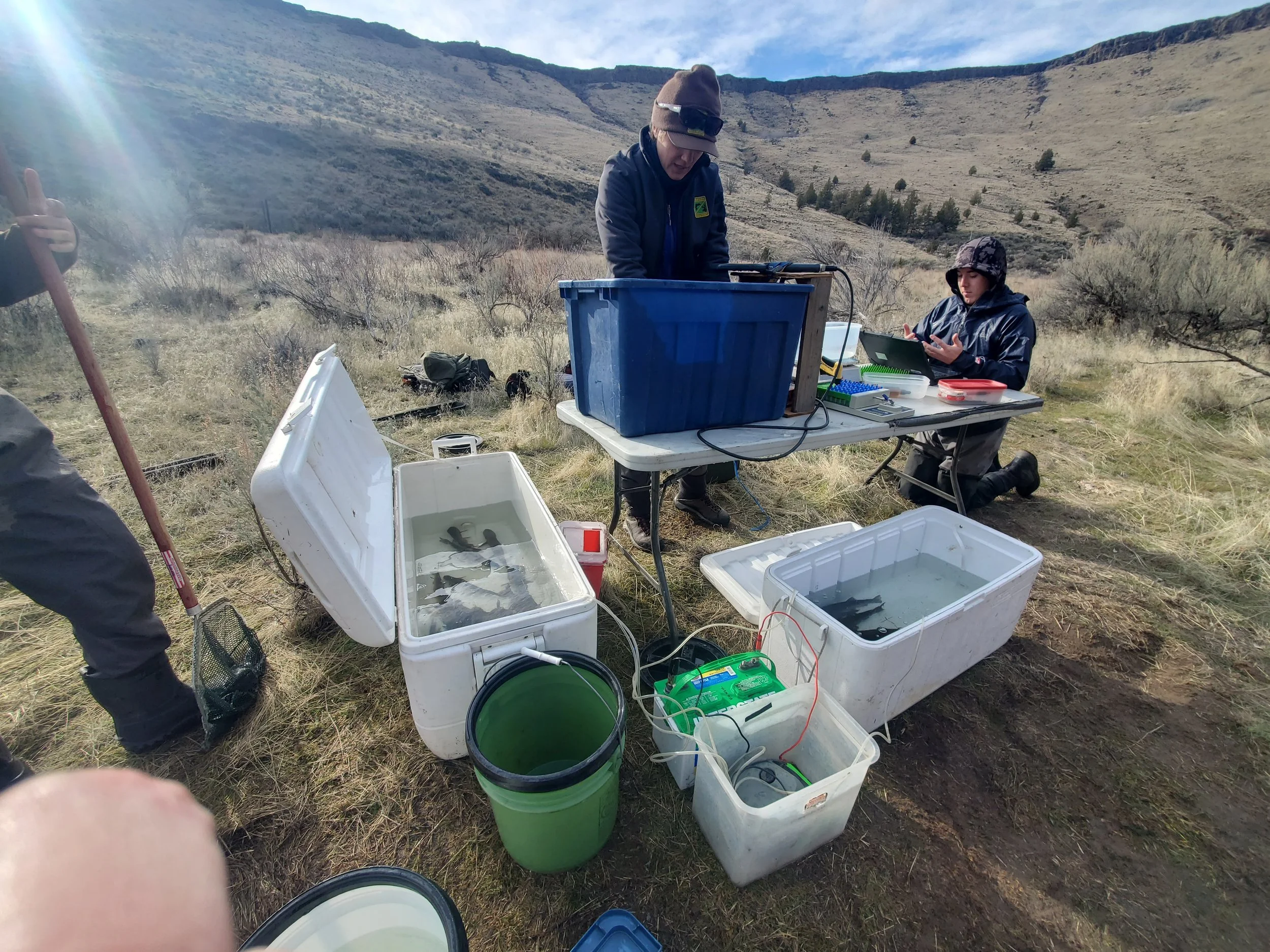
Benthic macroinvertebrates give us a unique window into the health of the lower Deschutes River. Because these organisms spend much or all of their lives in the river and respond differently to changes in water quality and habitat, long-term monitoring can reveal ecological patterns that may not be apparent from water quality measurements alone.
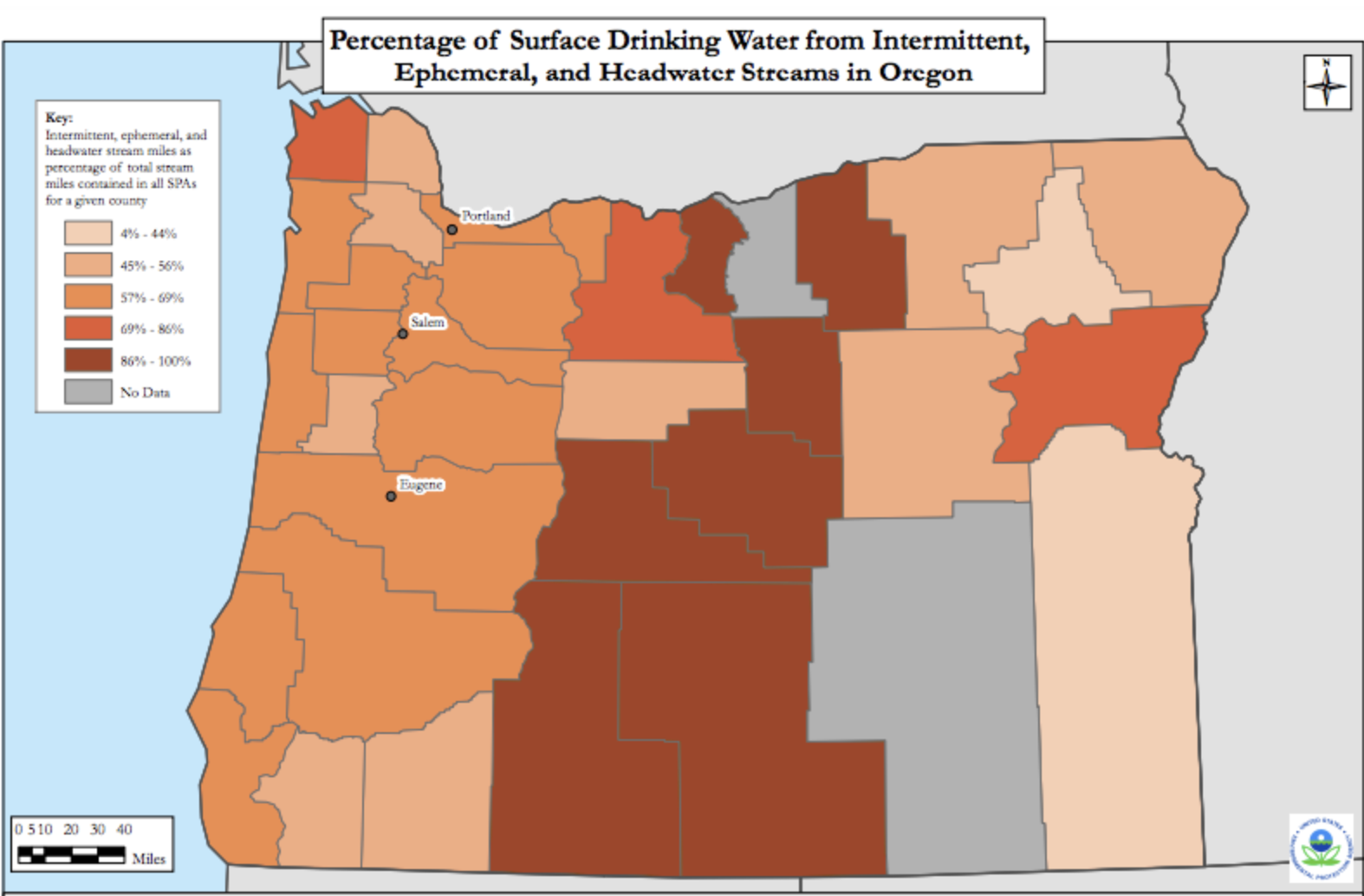
Undoubtedly, these changes to the CWA have the potential to affect the Deschutes. Much of the basin relies for its drinking water on sources that would no longer be protected.
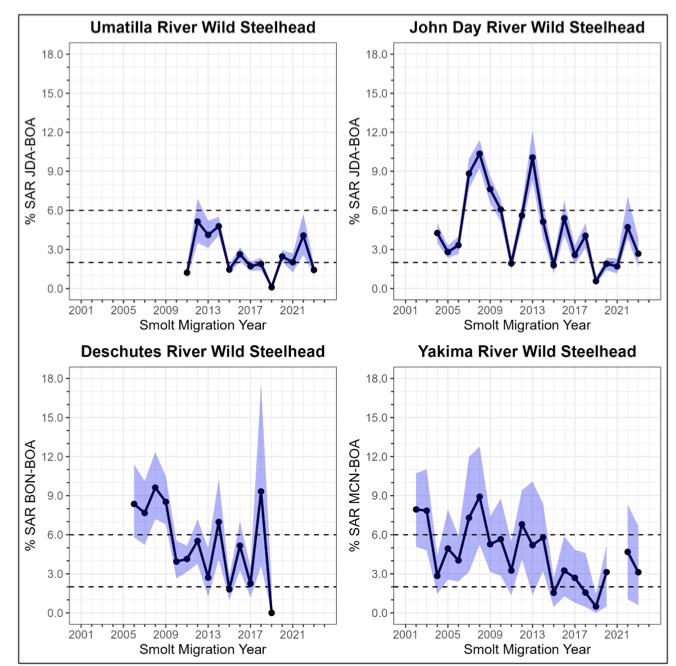
The Deschutes River needs more wild steelhead. Poor water quality may be one of the biggest obstacles to acheiving that goal.
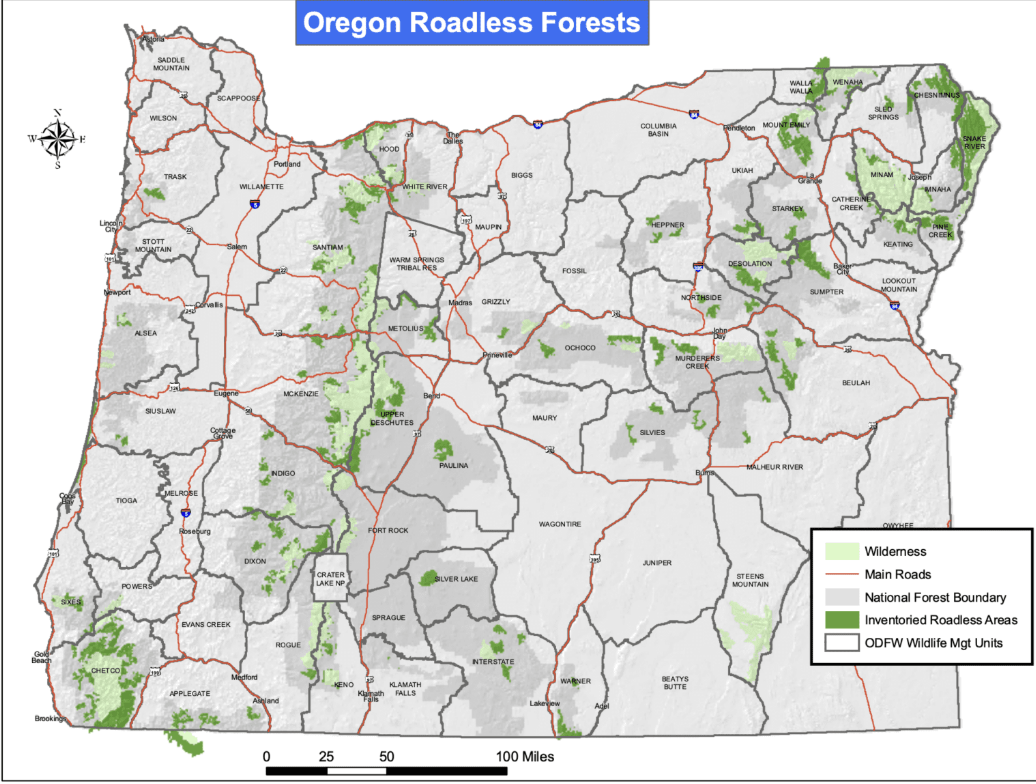
Specifically for the Deschutes River, the 137,000 acres of inventoried roadless lands protected under the Roadless Area Conservation Rule help protect the headwaters of one of the state’s most beloved rivers, as well as in its most pristine tributary, the Metolius River.
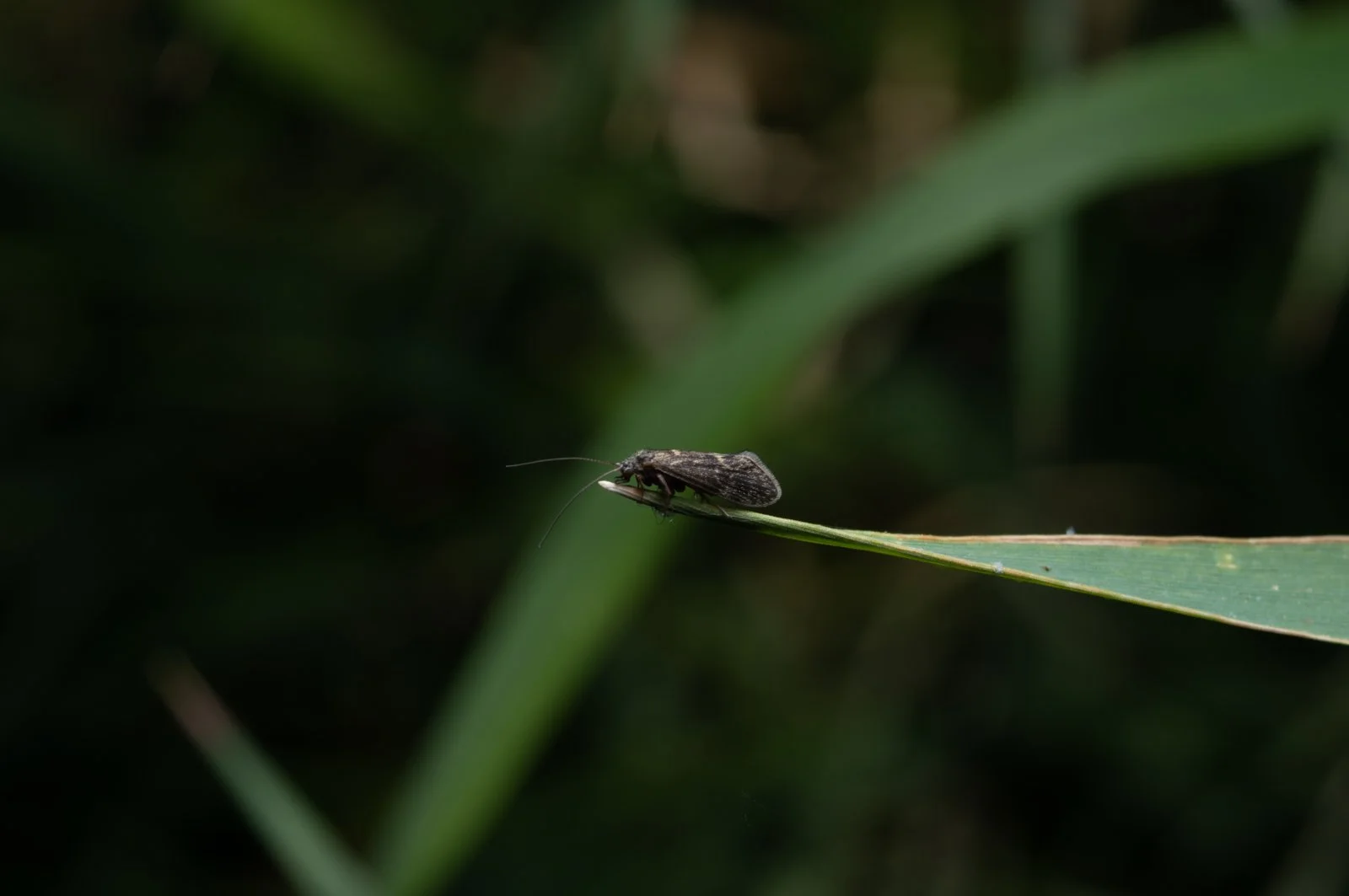
“Also, while adults quickly escape from the pupal exoskeleton, they will often run rapidly across the surface trying to reach shoreline rocks or vegetation. And yes, trout don’t ignore such suicidal behavior.”
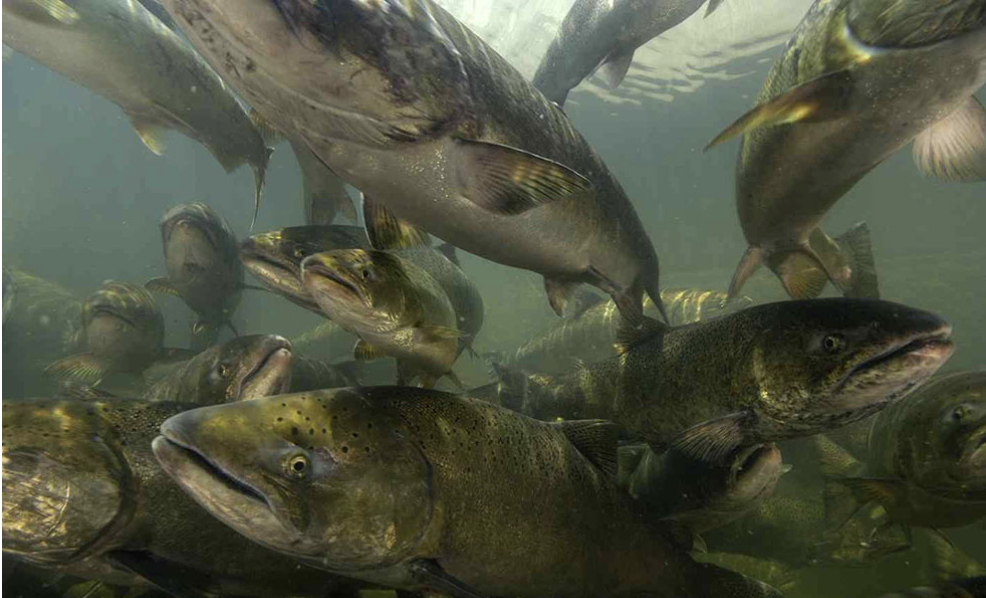
“As important as fall Chinook are to sport anglers, they are very important to members of the Confederated Tribes of the Warm Springs Reservation. Harvested at the Sherars Falls area for millennia by members of the tribes that make up the Warm Springs Reservation, fall Chinook are important for ceremonial and subsistence purposes, and are the preferred salmon species for the traditional preservation method of drying. Tribal fishers can be seen to this day harvesting fall Chinook from platforms or scaffolds by traditional dipnet fishing. Hundreds of tribal fishers spend thousands of hours annually at this site to harvest around 2,000 adult fall Chinook.”
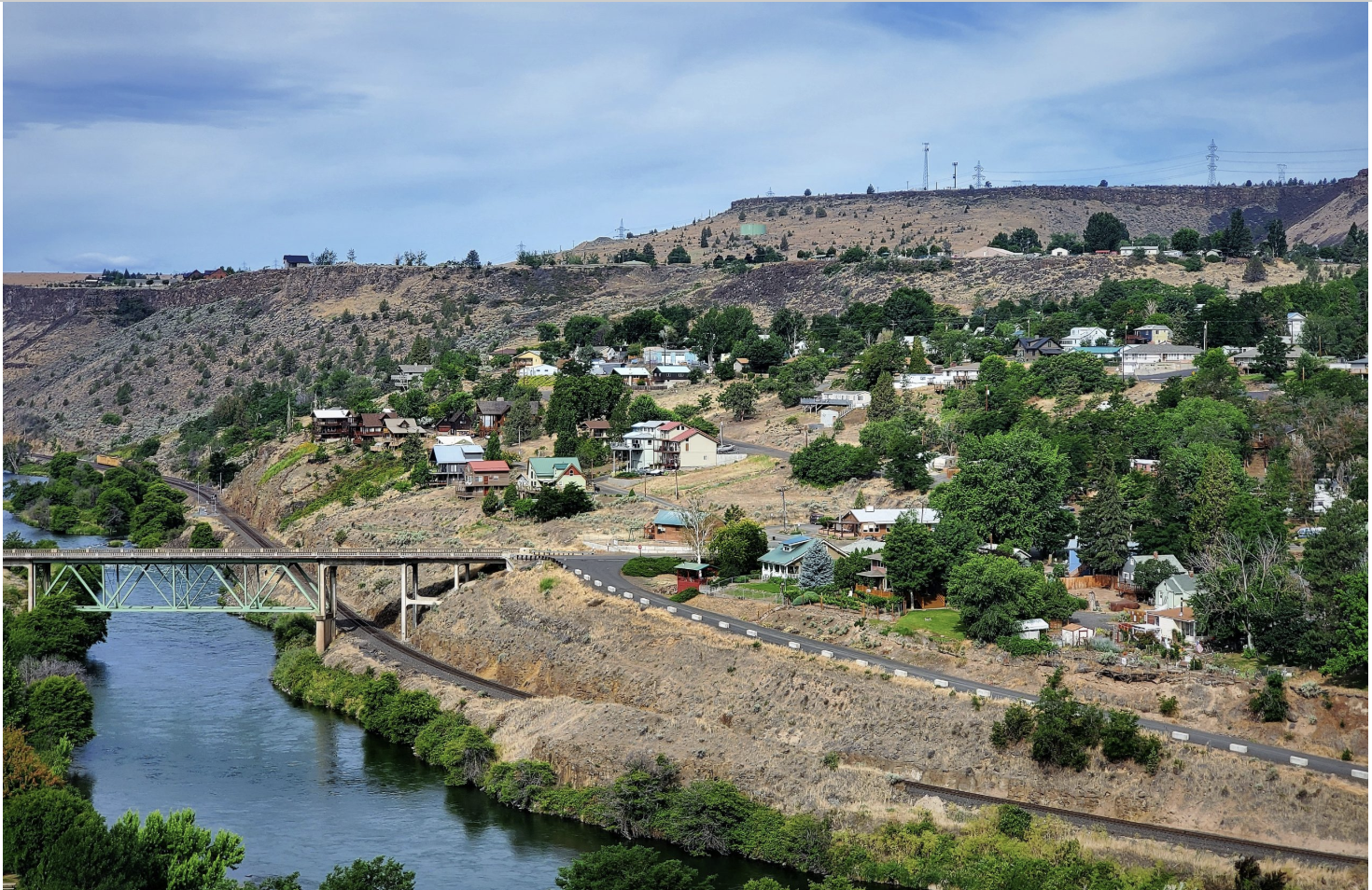
The pain partly stems from the frustration of a more widely shared knowledge of what needs to be done, and seeing it remain undone, season after season, and witnessing ongoing deterioration rather than recovery. It turns out that river management policy, which on the surface seems simply a matter of implementing the best available science, is oftentimes more vexing than understanding the science.
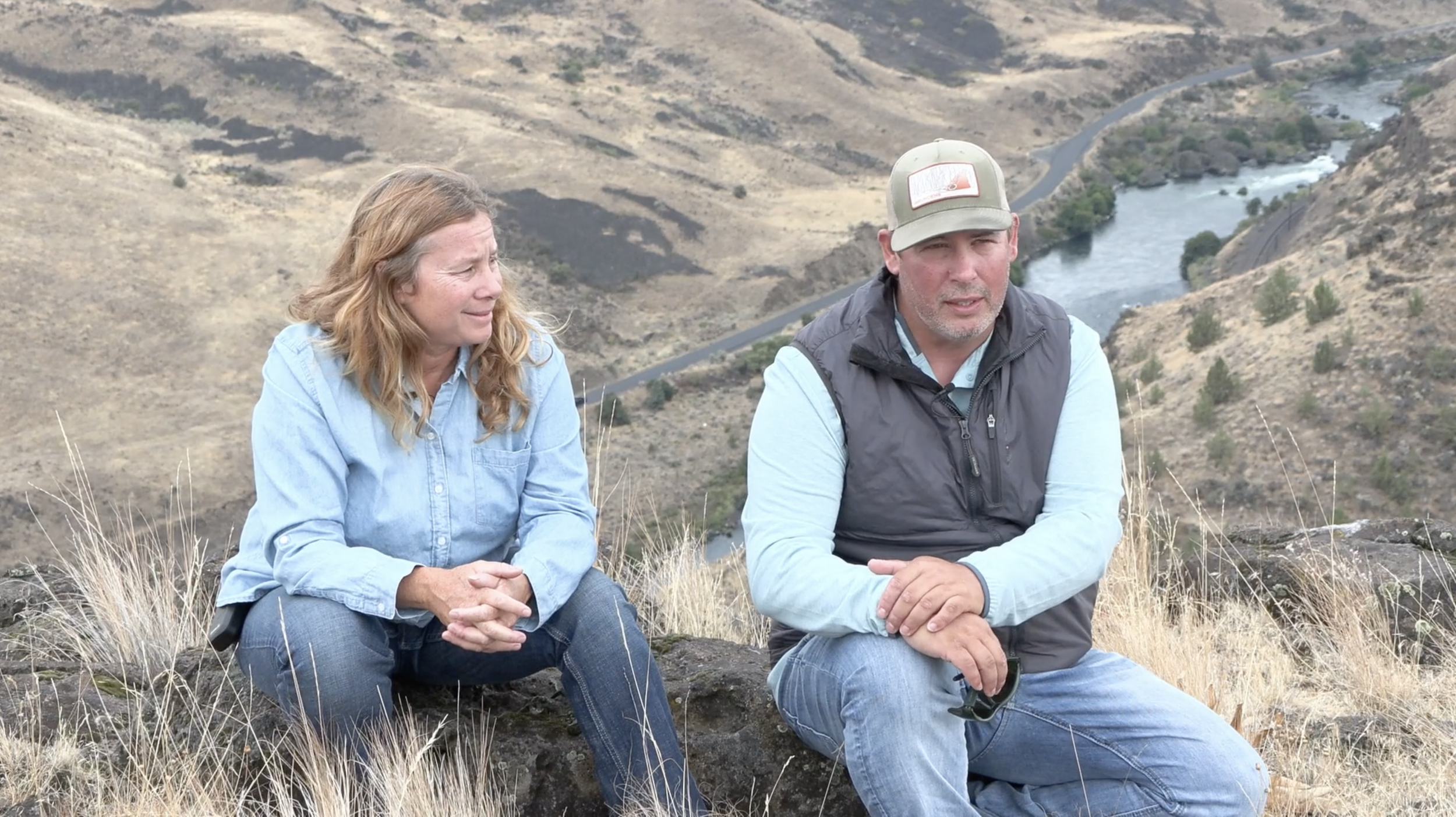
“The Deschutes steelhead closure and the potential closure of the John Day will jeopardize small businesses like ours and our rural communities.”
-Mia Sheppard, co-owner Little Creek Outfitters
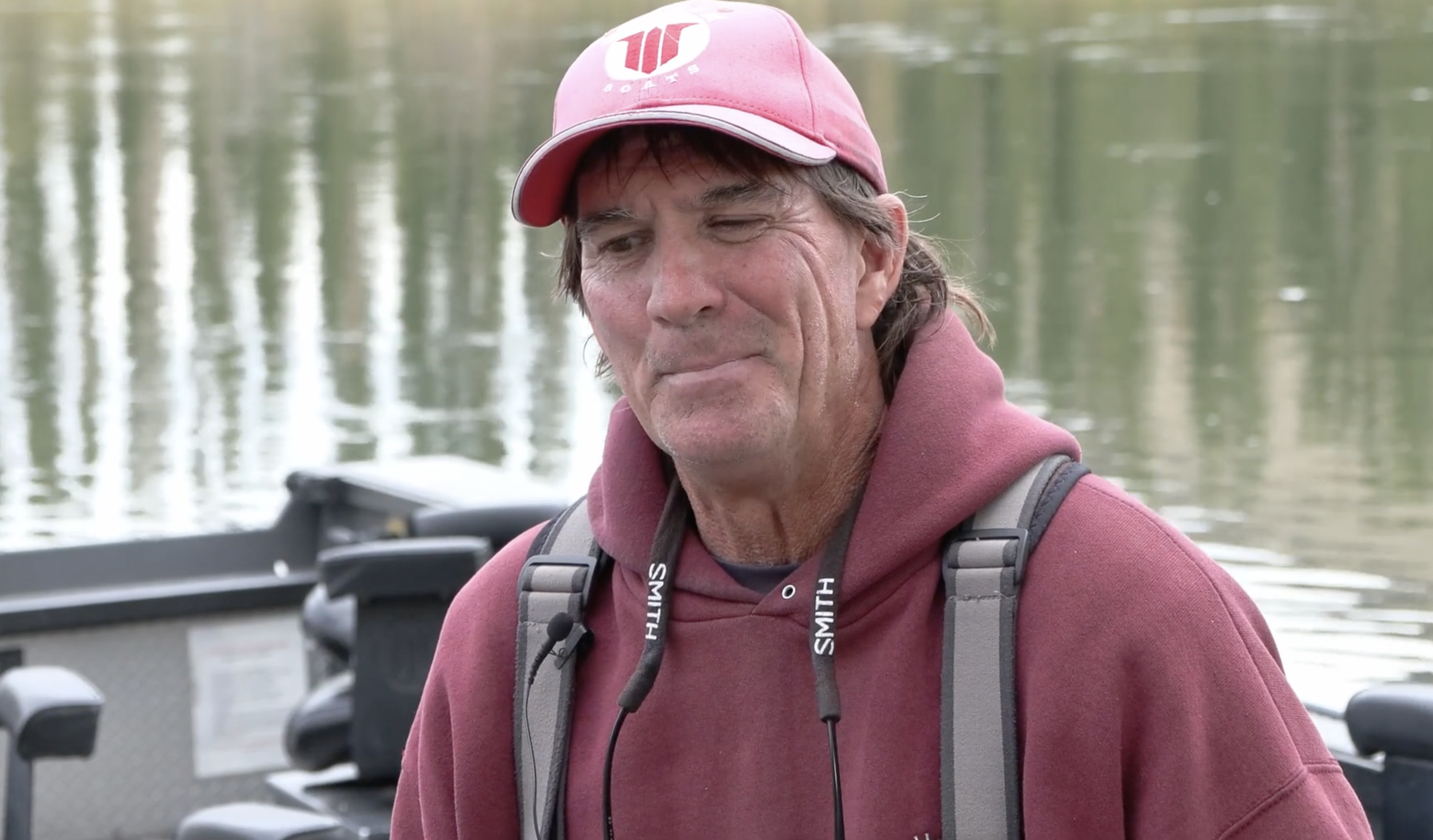
“We need unclipped/wild steelhead. I don’t want my name on the last steelhead that swims up the Deschutes River. If I truly believed I was causing harm to this fishery, I would stop guiding. I don’t believe that myself and the others are doing damage.”
-Brad Staples,
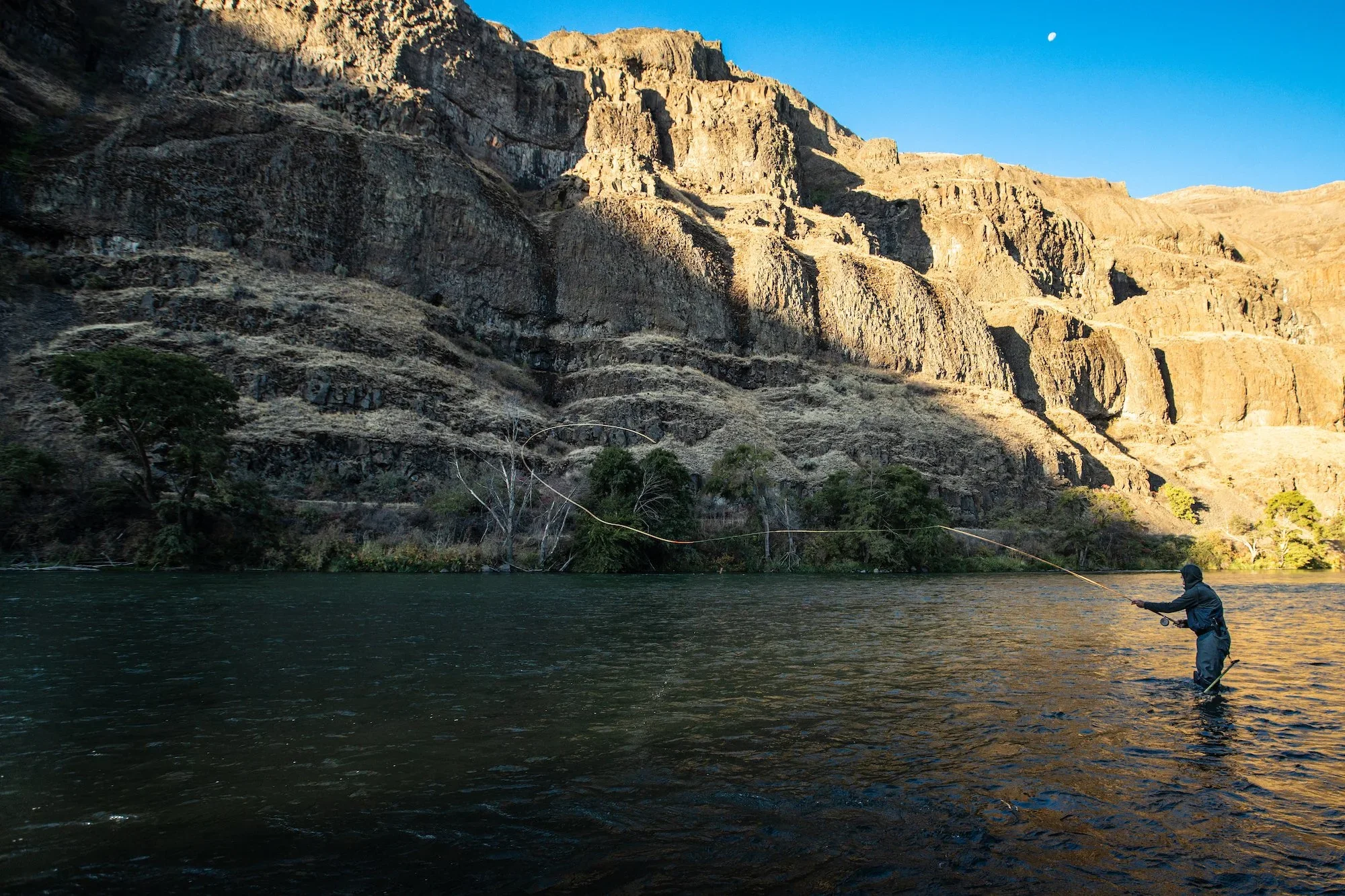
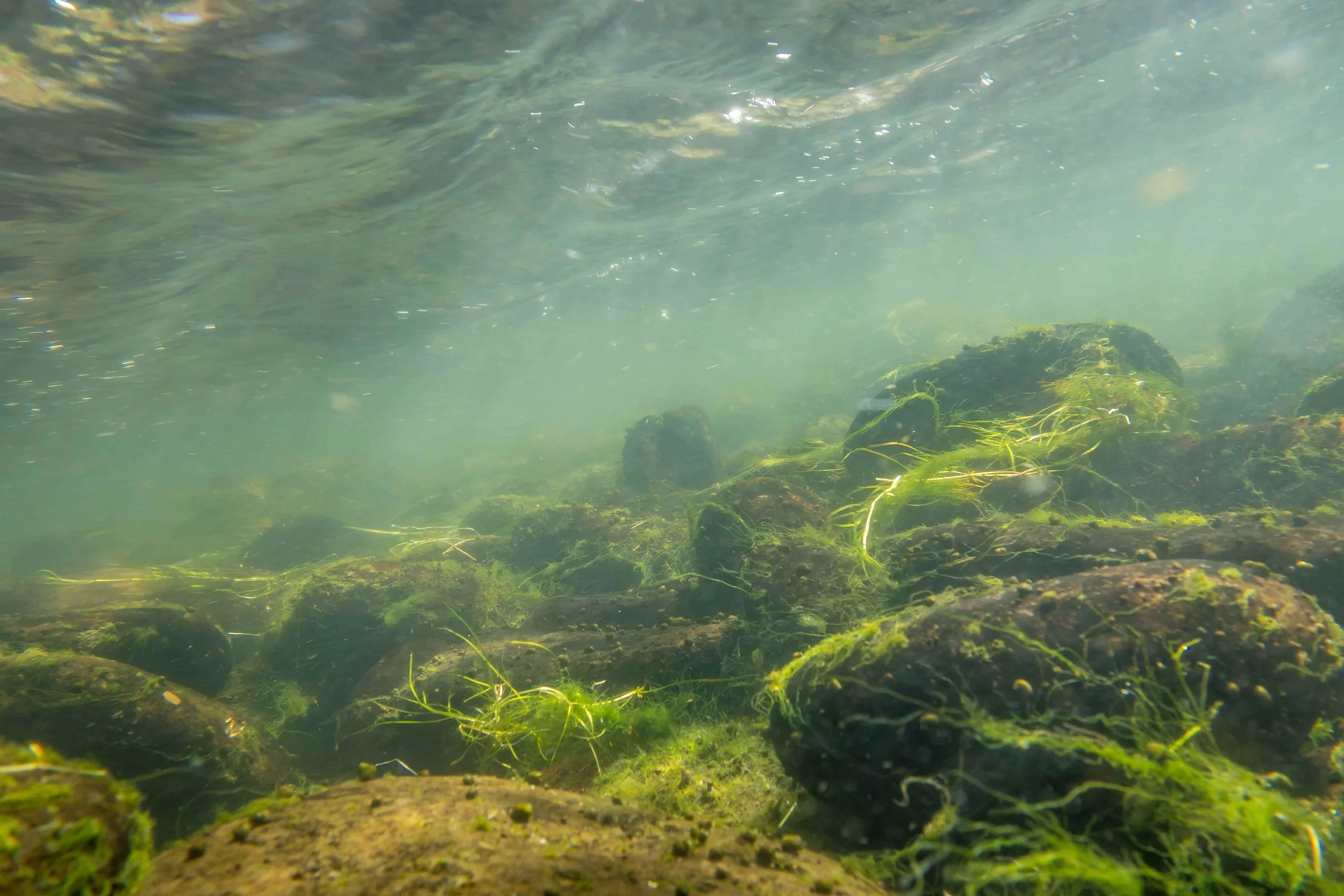
We're excited to add algae sampling to our monitoring program and look forward to sharing what we learn. Stay tuned as we begin this new chapter in understanding - and protecting - the lower Deschutes River.
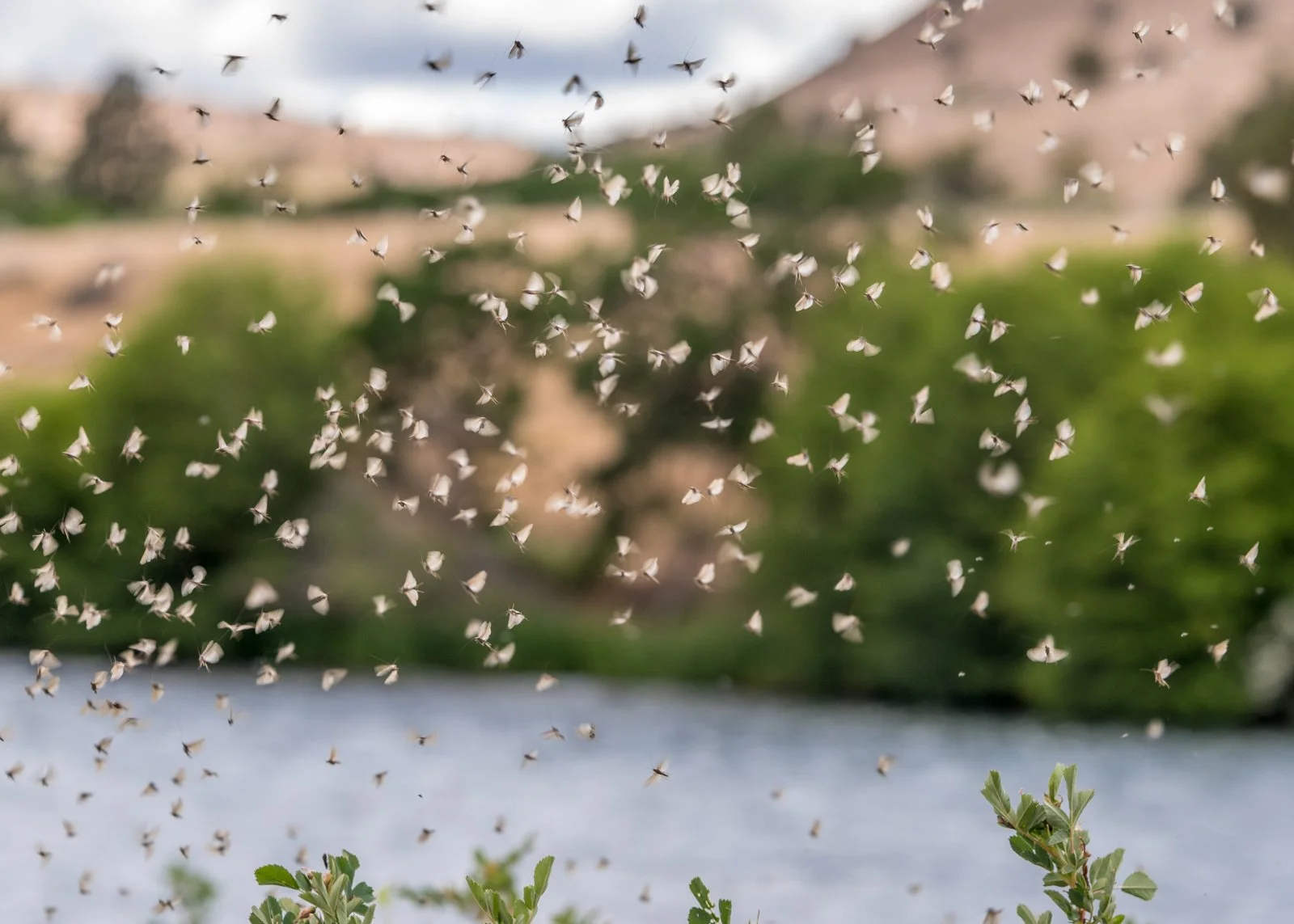
net-spinning caddis larvae actually produce sounds underwater…The sounds are loud enough to be detected by underwater microphones and are thought to help establish territories, discouraging nearby larvae from encroaching on an occupied feeding site. Different species produce slightly different chirps because the shape and spacing of their ridges vary, almost like each species has its own unique underwater language.”
The lower Deschutes River needs to flow with the maximum amount of available cold, clean water, not only for the sake of Deschutes river trout, salmon and steelhead, but for the protection of salmonids throughout the Columbia Basin.
Subscribe the the DRA Newsletter
The Deschutes River Alliance is your focused voice to protect the lower Deschutes River, its cold water flows and the fish and wildlife that are sustained by them. We send regular emails with important data and news about the lower Deschutes River. We will not sell or loan your contact information to others.
How to Support the DRA
Everyone wants clean, healthy water in the Deschutes River. Oregonians cherish our clean and healthy waterways to provide drinking water, wildlife habitat and recreational activities. The lower Deschutes River is a federally designated Wild & Scenic River, and a national treasure. It must be protected for the environmental and economic health of Central Oregon. We believe by working together we can return the lower Deschutes River to full health.